A strategy RPG is a game whose two halves refuse to come apart. On one side is role-playing progression: named heroes who level up, spend points in skill trees, carry equipment that changes how they fight and anchor a story told through their choices. On the other is strategic command: armies, units, bases or resources that you direct rather than inhabit. Remove the progression and you are left with a strategy game where the characters are set dressing; remove the command layer and you have an RPG with an oddly large supporting cast. The form has two roots that grew toward each other. The Japanese tradition, which players there call the simulation RPG, was codified by Intelligent Systems' Fire Emblem in 1990 and refined by Final Fantasy Tactics in 1997: turn-based battles on a grid, fought by a roster of characters who earn experience with every exchange. The Western tradition came out of strategy instead, with New World Computing's King's Bounty in 1990 and the Heroes of Might and Magic series that followed it putting a leveling hero at the head of a stack of creatures, and Blizzard's Warcraft III in 2002 carrying the same idea into real time, where a hero with an inventory and a skill bar leads a base-built army across the map.
The hallmarks hold across both traditions. The unit of attachment is a person rather than a unit type, so losing a named character costs you story, an ability set and often a permanent gap in the roster, which makes retreat a real option instead of a failure state. Progression compounds: the hero who survived the early campaign is measurably stronger than a fresh recruit, and the game expects you to have planned for that. Two economies run at once, experience on the character side and gold, mana or production on the army side, and the interesting decisions live where they collide - whether to feed the kills to the hero who needs them or the one who can already take them, whether to hold back the army so the story characters get the fight they need. What separates a good strategy RPG from a competent one is whether the two systems inform each other. Handled well, a hero's build changes what army you recruit and your army composition changes which of the hero's abilities matter, so the campaign feels like a war with faces. Handled poorly, it is a strategy game with a stat sheet bolted on, or an RPG in which the army is only a larger health bar.
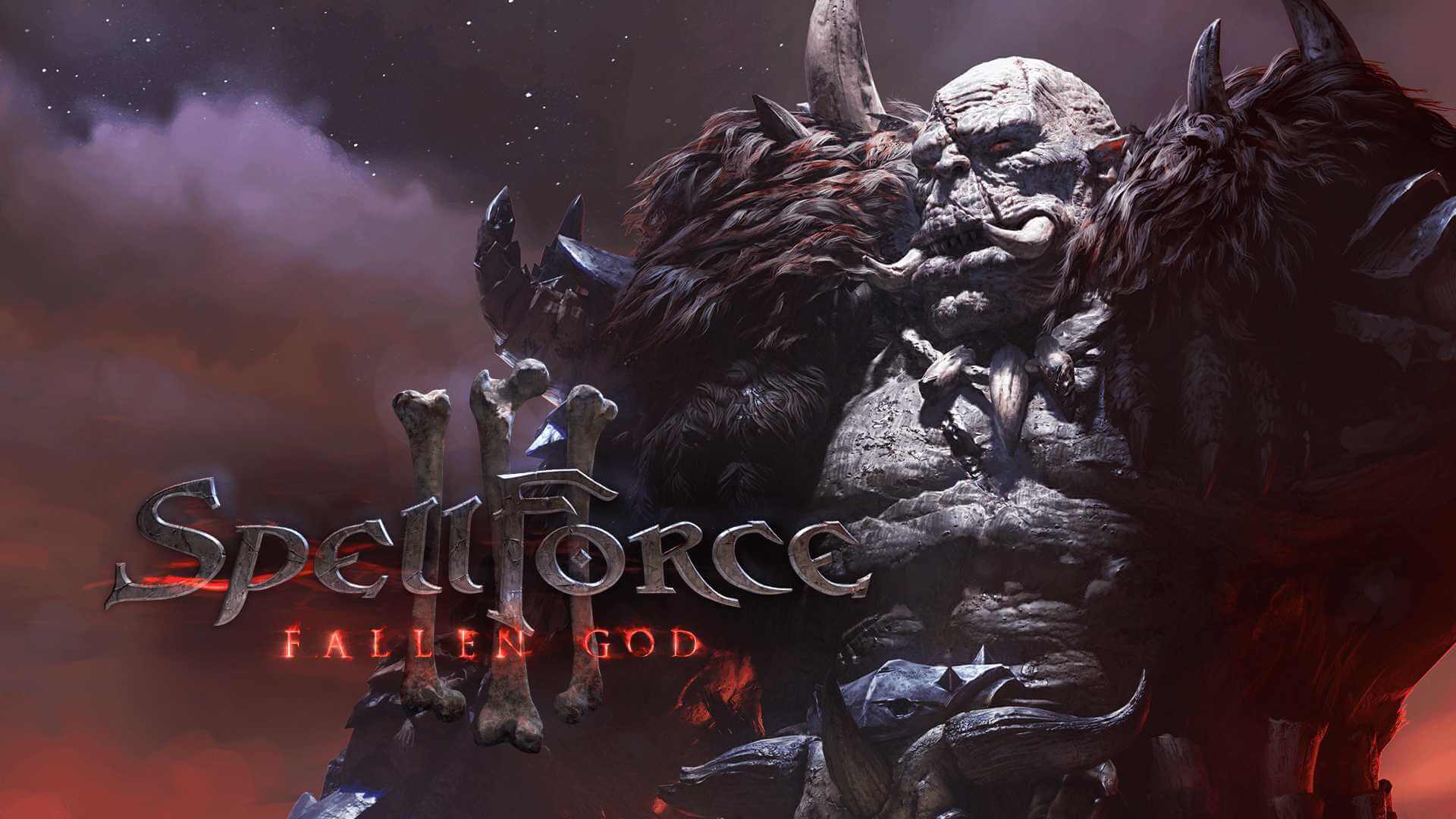
This collection gathers the titles in our catalog that carry the Strategy RPG tag. It is the broad umbrella. It covers the turn-based tactical tradition that our narrower Tactical RPG collection names, where a squad fights on a grid and every move is a turn, and it covers the real-time hybrids where hero units lead an army on the same battlefield. SpellForce 3: Fallen God is a clear example of the second kind: heroes built from skill trees and abilities walk the same map as a sector-based RTS economy, and neither survives without the other. Most of these games also sit in our Strategy and RPG collections, since each contributes a parent, and the real-time hybrids appear in RTS as well. What qualifies a game here is that you are leveling someone and commanding something at once, and that the story would break if either stopped. If you want a campaign where the general is also the protagonist, start here.