Monolith Productions was founded on October 25, 1994 in Redmond, Washington by Bryan Bouwman, Toby Gladwell, Brian Goble, Jace Hall, Garrett Price, Paul Renault and Brian Waite, and spent three decades earning a reputation as one of the most technically ambitious first-person studios in the business. Rather than build on someone else's technology, the team wrote its own LithTech engine and licensed it to other developers, and that licensing income is what kept the lights on through the studio's early years. Its first wave of games showed a team with a wide range and a taste for the unusual: Blood (1997), a gore-soaked Build-era shooter with a cult following that has never really faded, Shogo: Mobile Armor Division (1998), which put players inside anime-styled mechs, and then the pair of releases that made Monolith's name with critics, The Operative: No One Lives Forever (2000) and No One Lives Forever 2: A Spy in H.A.R.M.'s Way (2002). The NOLF games blended 1960s spy-film pastiche, genuinely funny writing and stealth-or-shoot level design in a way few studios have managed since. Tron 2.0 (2003) followed as a visually striking licensed shooter, and in August 2004 Warner Bros. Interactive Entertainment acquired the studio, which operated as a Warner Bros. Games developer from that point on, later relocating to Kirkland, Washington.
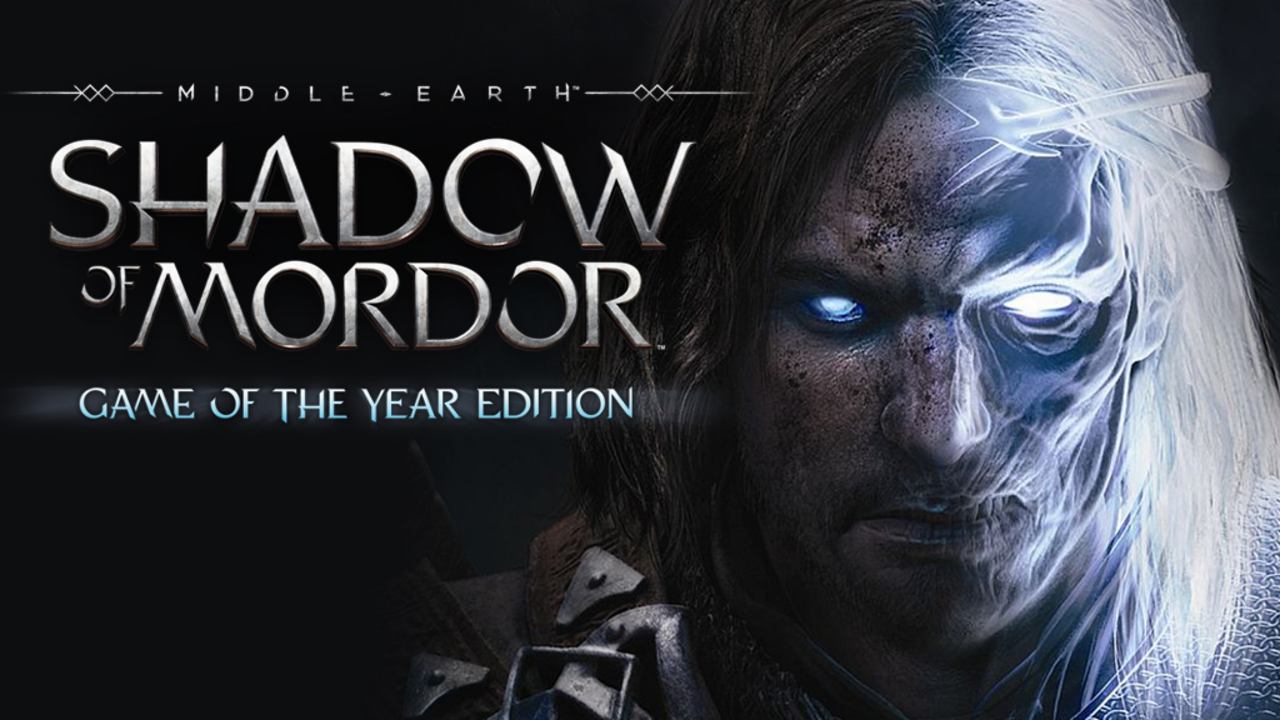
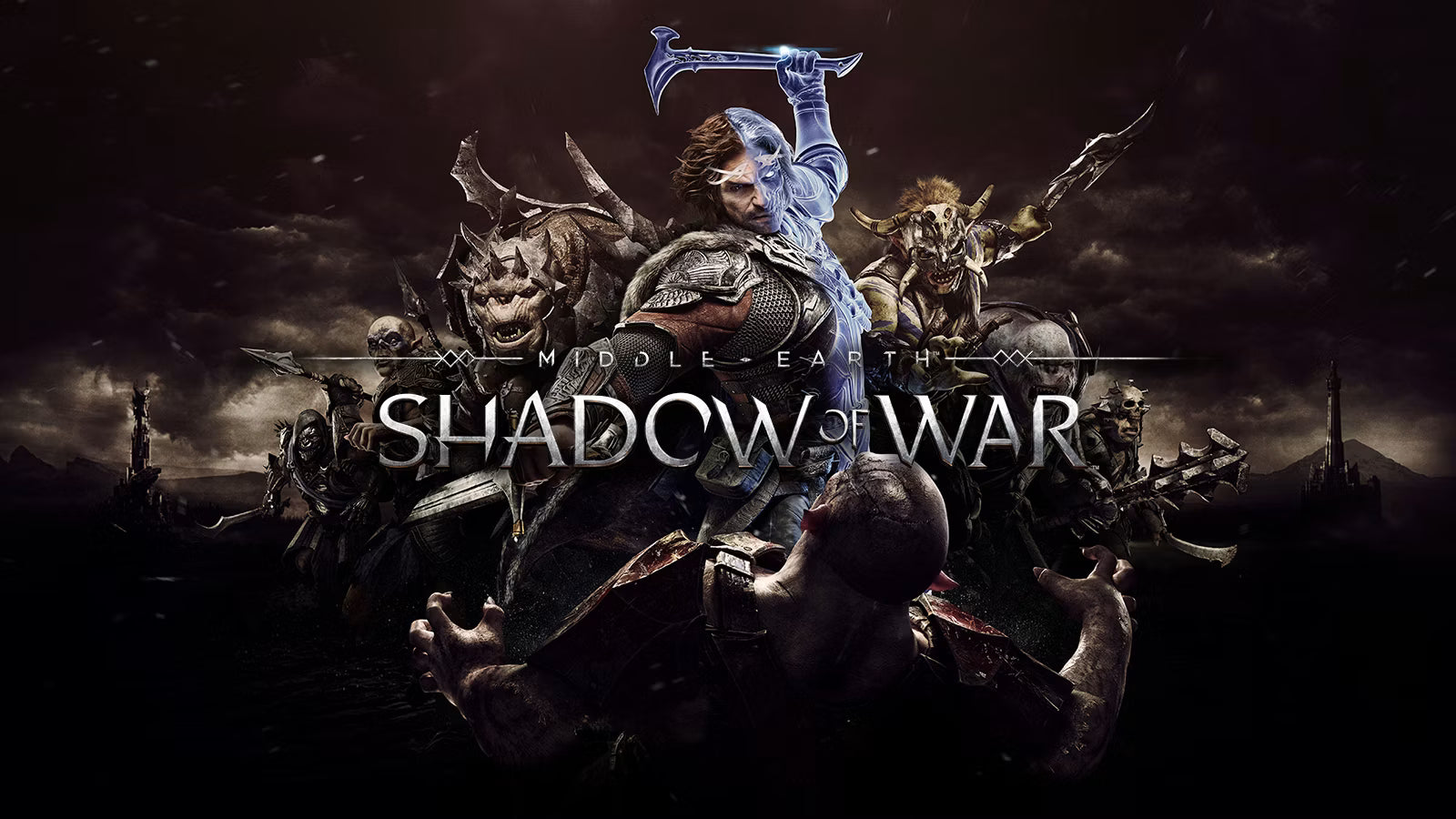
Under Warner Bros. the studio moved decisively into horror. The Matrix Online (2005) was a licensed MMO, but the same year brought F.E.A.R. (2005) and Condemned: Criminal Origins (2005), two games that defined what Monolith was best at: shooters and brawlers with a horror edge and enemies that behaved with unnerving intelligence. F.E.A.R.'s squad AI, with soldiers that flanked, retreated, flushed players out of cover and called out their tactics aloud, is still cited as a benchmark two decades later. Condemned 2: Bloodshot (2008), F.E.A.R. 2: Project Origin (2009) and F.E.A.R. 3 (2011) extended both series, and Gotham City Impostors (2012) and Guardians of Middle-earth (2012) marked a turn toward Warner's own licences. That turn paid off with Middle-earth: Shadow of Mordor (2014), whose Nemesis System let individual Uruk captains remember their fights with the player, earn promotions when they killed you and carry the scars of encounters they survived. It was a genuinely new idea in an open-world action game, and Shadow of Mordor collected more than 50 "Best of 2014" awards, including Game of the Year, Best Action Game and Most Innovative Game. Middle-earth: Shadow of War (2017) expanded the system further and turned out to be the studio's final release. On February 25, 2025, Warner Bros. Discovery closed Monolith Productions after cancelling the Wonder Woman game it had been developing. The studio is gone, but its catalogue holds up unusually well: the games collected here are the reason "F.E.A.R. AI" and "Nemesis System" are still shorthand among players for enemies that feel like they are thinking.