Koei Tecmo Games is the product of two very different Japanese companies that grew up on opposite sides of the industry before joining forces. Koei was founded in July 1978 in Yokohama by Yoichi Erikawa and his wife Keiko Erikawa, and it found its identity almost immediately in historical simulation: writing under the pen name Kou Shibusawa, Yoichi Erikawa produced Nobunaga's Ambition in 1983 and Romance of the Three Kingdoms in 1985, strategy series that turned the Sengoku era and the fall of the Han dynasty into deep, replayable grand-strategy games and that are still in production four decades later. Koei kept branching out from that base. Its Ruby Party team created Angelique in 1994 and effectively invented the otome genre, and its Omega Force studio, formed in 1997, took the Dynasty Warriors name from a one-on-one fighter into Dynasty Warriors 2 in 2000, the one-warrior-against-thousands battlefield game that defined the musou style and spawned Samurai Warriors and Warriors Orochi. Tecmo's roots run older and more arcade-flavored. Founded in 1967 as Tehkan, a supplier of cleaning equipment, the company entered the arcade business in the early 1980s, adopted the Tecmo name in 1986, and built a reputation on Rygar, Solomon's Key, Tecmo Bowl and Ninja Gaiden, whose cinematic cutscenes and punishing difficulty made it one of the NES era's landmark action series. In 1995 Tecmo formed Team Ninja under Tomonobu Itagaki, which delivered the Dead or Alive fighting series from 1996 and the 2004 Ninja Gaiden reboot on Xbox, while the rest of the company produced Monster Rancher and the survival-horror series Fatal Frame.
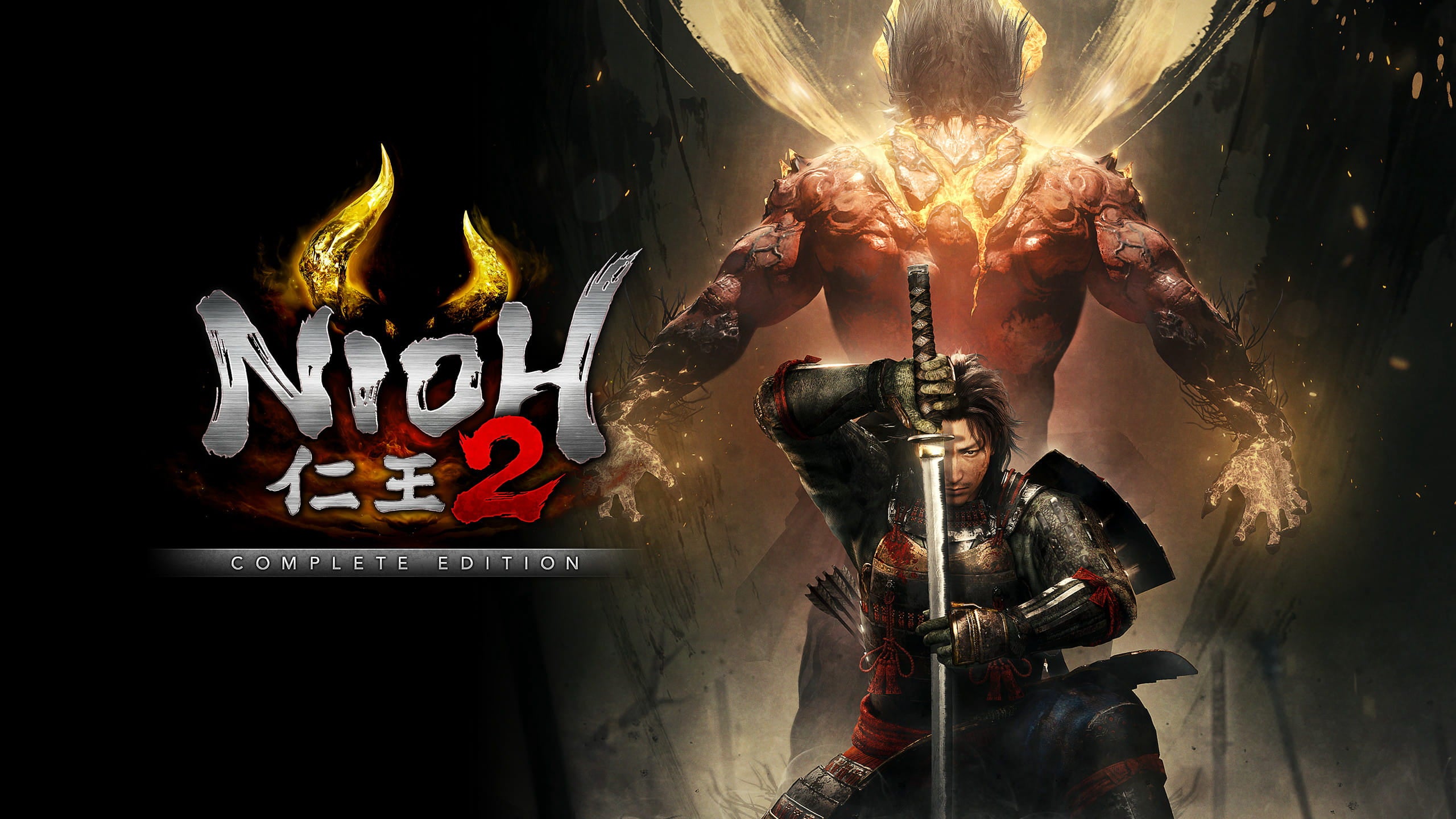
The two companies came together during a turbulent 2008: Itagaki left Team Ninja amid a dispute with Tecmo's management, Tecmo's president resigned, and the company rejected a takeover proposal from Square Enix in favor of a merger with Koei. Koei Tecmo Holdings was established on April 1, 2009, and the operating businesses were combined into Koei Tecmo Games Co., Ltd. on April 1, 2010, headquartered in Yokohama with the Erikawas still at the top of the group. The merged company has organized itself around studio brands rather than a single house style. Team Ninja, led after Itagaki's departure by Yosuke Hayashi, rebuilt its standing with Nioh in 2017 and Nioh 2 in 2020, demanding Sengoku-era action RPGs that put the studio's ki-pulse combat and yokai-hunting alongside the best of the genre, and it has since followed them with Wo Long: Fallen Dynasty and Rise of the Ronin. Omega Force continues to iterate on the Warriors formula and has become the industry's go-to partner for crossover spectacle, producing Hyrule Warriors and Fire Emblem Warriors with Nintendo, Dragon Quest Heroes with Square Enix and Persona 5 Strikers with Atlus, while Koei Tecmo also co-developed Fire Emblem: Three Houses. Gust, the Nagano studio behind the Atelier crafting RPGs, was acquired in 2011 and folded into Koei Tecmo Games in 2014, and Ruby Party and the Kou Shibusawa brand keep the otome and historical-strategy lines alive. For players today the catalog is unusually broad for one publisher: intricate strategy for the map-and-spreadsheet crowd, cozy alchemy RPGs, the pure crowd-clearing catharsis of a Warriors game, and some of the most exacting action combat on PC, all built by teams with decades of pedigree in their particular corner of gaming.