Inventory management is the part of a game where what you can carry becomes a decision rather than a given. Every game hands you things; these games limit the room you have to put them in, and that limit is built to be played. It takes three common shapes. A grid inventory gives every item a footprint of squares, so a rifle takes the space of six medkits and packing the bag is a small spatial puzzle in its own right. A weight or encumbrance limit lets you carry anything you like until the total slows you to a crawl. A fixed number of slots asks the plainest question of all: which of these do you leave on the floor. The grid form entered the mainstream through Diablo, released by Blizzard North in 1997, and its sequel in 2000 made rotating and rearranging loot a ritual for a generation of players. Deus Ex, from Ion Storm in 2000, carried the idea into the immersive sim, and Capcom's Resident Evil 4 in 2005 turned the attaché case into the example everyone still reaches for, a briefcase where a fully stocked shotgun is a real cost in eggs and herbs. Escape from Tarkov, from Battlestate Games, is the modern extreme: the grid is the whole economy, and a good run can be lost to a bag packed badly.
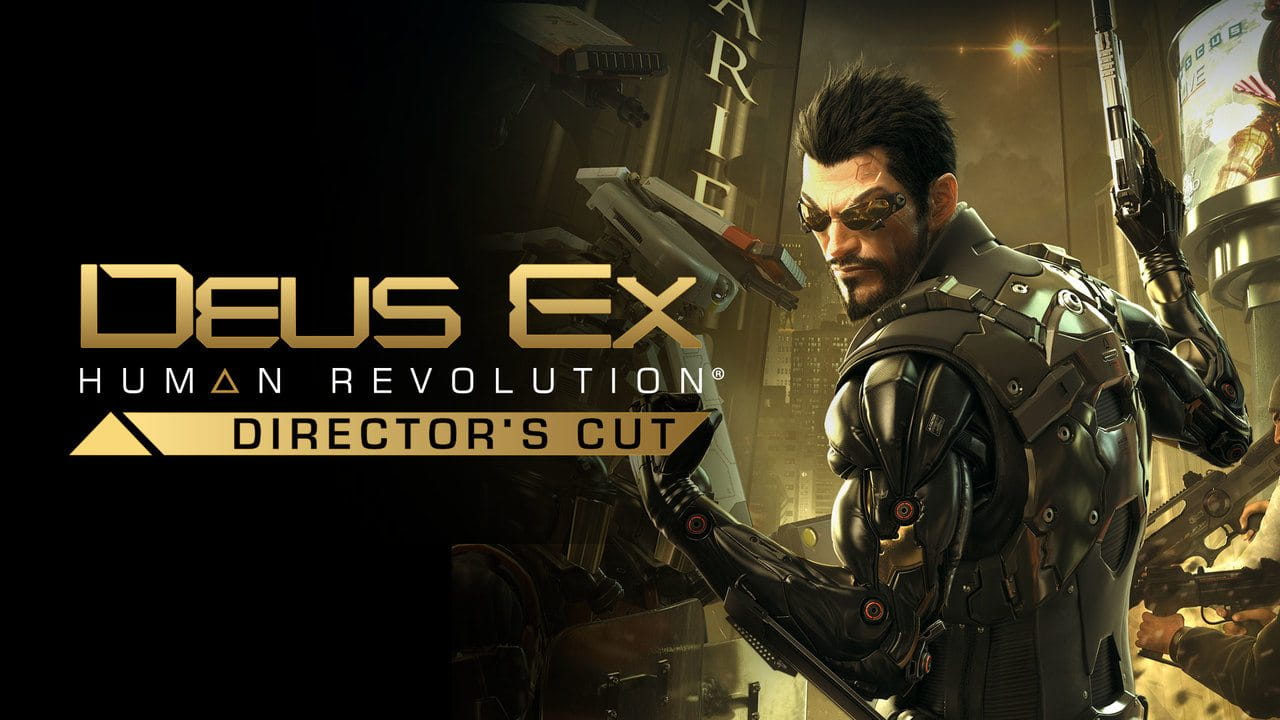
The hallmarks hold across every form of it. Space is the scarce quantity, not the items themselves, which is why the interesting moments happen when you find something good and cannot take it. The decision recurs rather than being settled once, because every new pickup reopens the question of what stays. Consequences persist: the ammunition you dropped to make room for a keycard is still gone two hours later, and the medkit you refused to carry is the one you needed. The interface itself is play, which is unusual for a menu; time spent rotating a weapon to fit the last column or shuffling a stack to free a row is part of the game rather than a pause from it. Expansion is a reward, and a meaningful one, whether it comes as an augmentation that adds rows to Adam Jensen's grid in Deus Ex: Human Revolution, a larger case bought from a merchant, or a strength stat that raises the carry limit. What separates a good inventory-management game from a merely competent one is whether the limit produces decisions or just trips back to a storage chest. Handled well, it makes you feel the weight of what you own and turns a loot pile into a set of tradeoffs; handled poorly, it is a tax on the fun you were already having.
This collection gathers the titles in our catalog that carry the Inventory Management tag. It is a mechanic tag rather than a genre, so these games also live in our RPG, Survival Horror, Shooter, Survival and Immersive Sim collections, because a constrained inventory can sit under almost any kind of play. It is also easy to confuse with three neighbors we keep separate. Resource Management is about running an economy or a stockpile, the supplies of a base, a colony or a city, rather than what one character has on their back. Loot is about acquiring items and their rarity, the thrill of what drops, not where it goes. Crafting is about turning materials into something new. What qualifies a game here is narrower than any of those: the space you carry things in is limited, the limit is designed, and deciding what fits is something you do again and again with real consequences. If you have ever stood over a pile of good gear doing arithmetic on squares, this is the shelf for you.