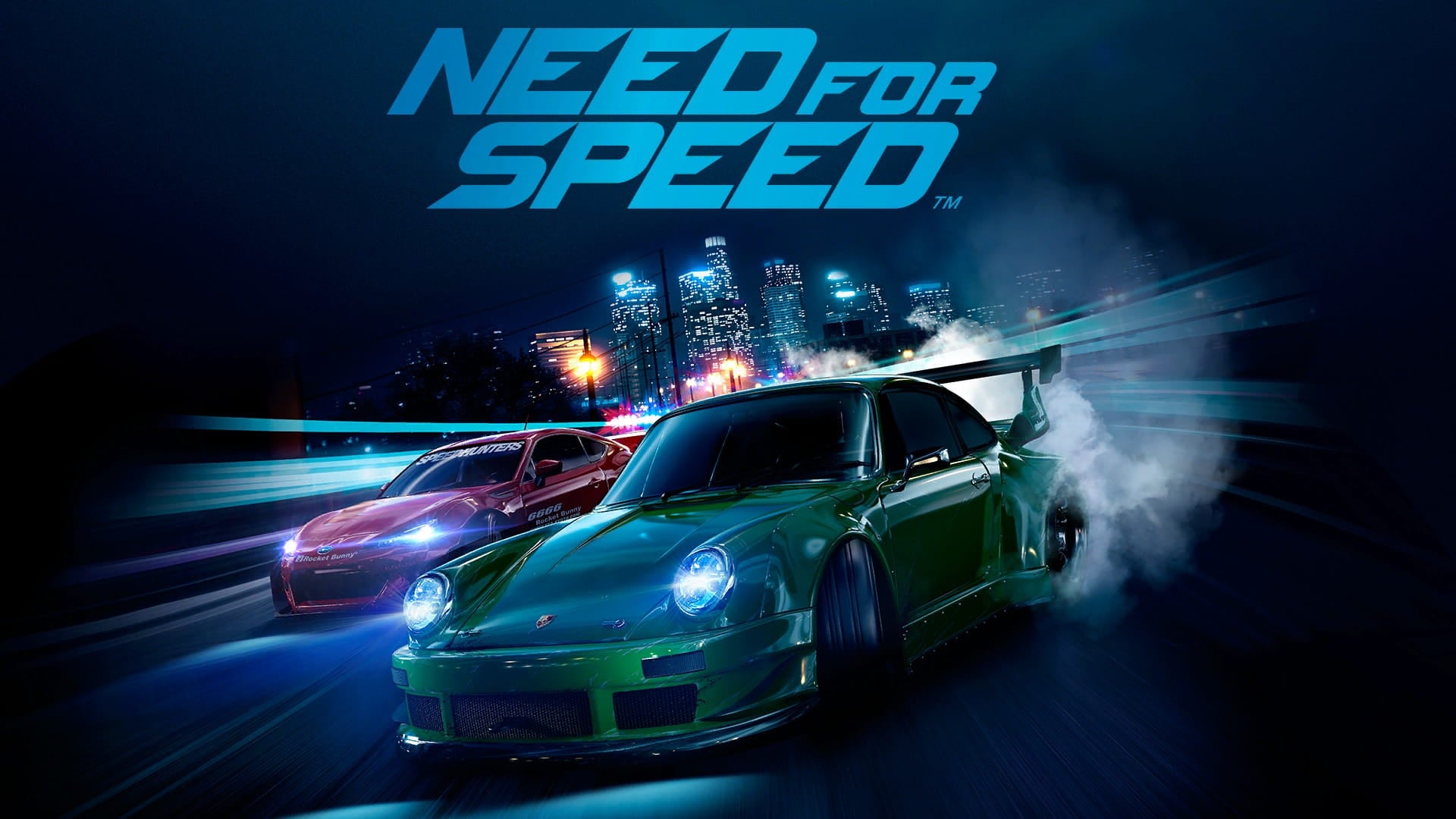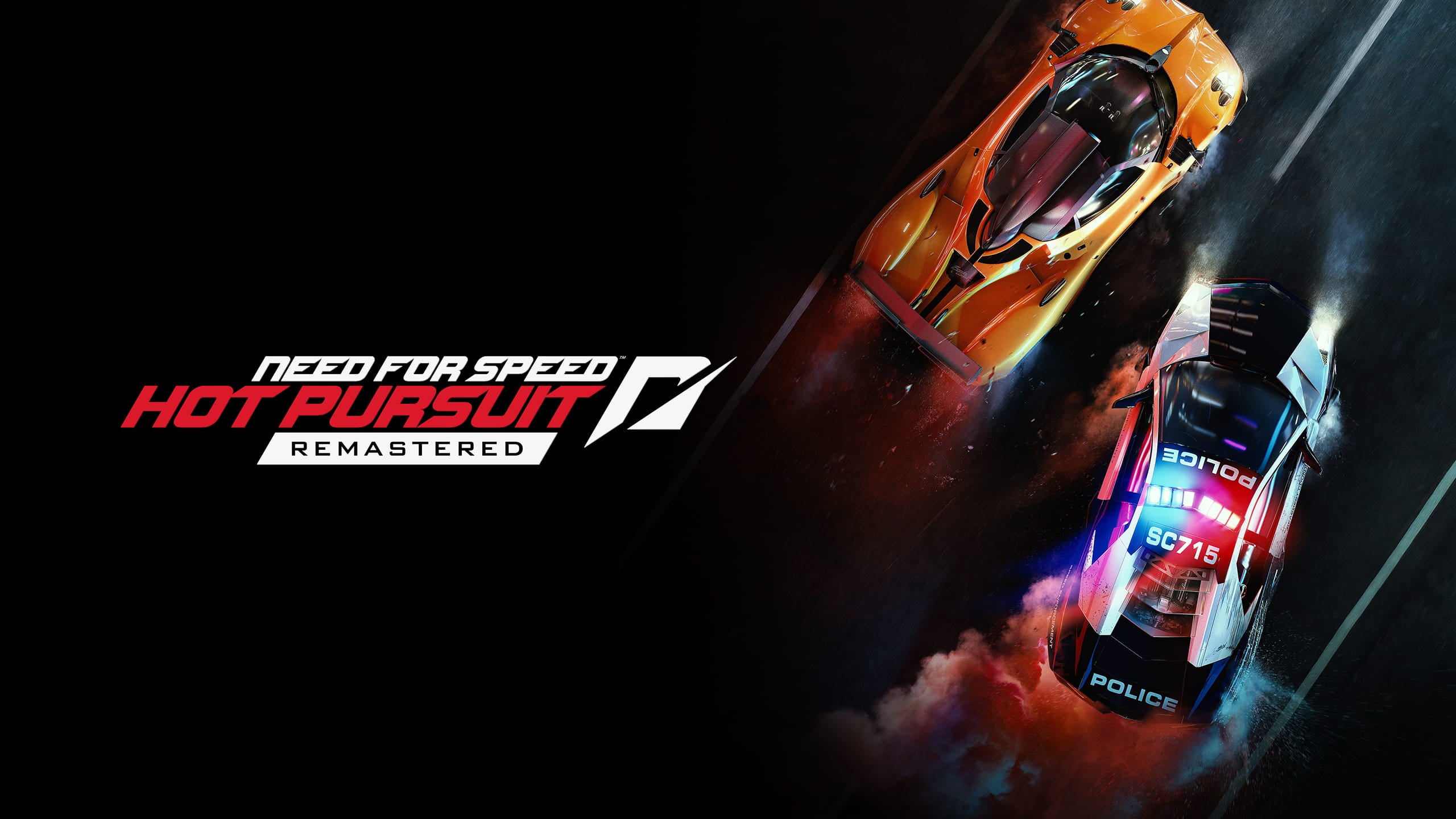
Combat racing is what happens when a racing game stops pretending the other cars are only there to be overtaken. The finish line still matters, but so does everything that happens on the way to it: the shunt into the barrier at turn three, the weapon fired backwards down the straight, the pursuit that ends with a roadblock and a wrecked hood. It is a genre defined by contact rather than by clean lines, and by the understanding that a race is a fight with a checkered flag at the end of it.
The form has two long traditions. One is the weapons-based racer, where power-ups and projectiles are part of the driving model and the leader is never safe, a lineage that runs from the kart racers of the nineties through futuristic combat circuits and back into demolition arenas. The other is the pursuit racer, where the aggression is structural rather than armed: police cruisers ramming you off the road, rivals trading paint through traffic, damage models that make every collision a decision about how much car you are willing to spend. Street racing series lean heavily on this second tradition, building whole progression paths around escaping, wrecking and taking hits.
What connects them is a different sort of skill. Racing lines and braking points still count, but so does knowing when to give up position to avoid a hit, when to spend a boost defensively, and how much damage a car can take before it stops being competitive. The result is a genre that rewards aggression and awareness in equal measure, and that tends to be at its best with other people in the room or on the other end of the connection.