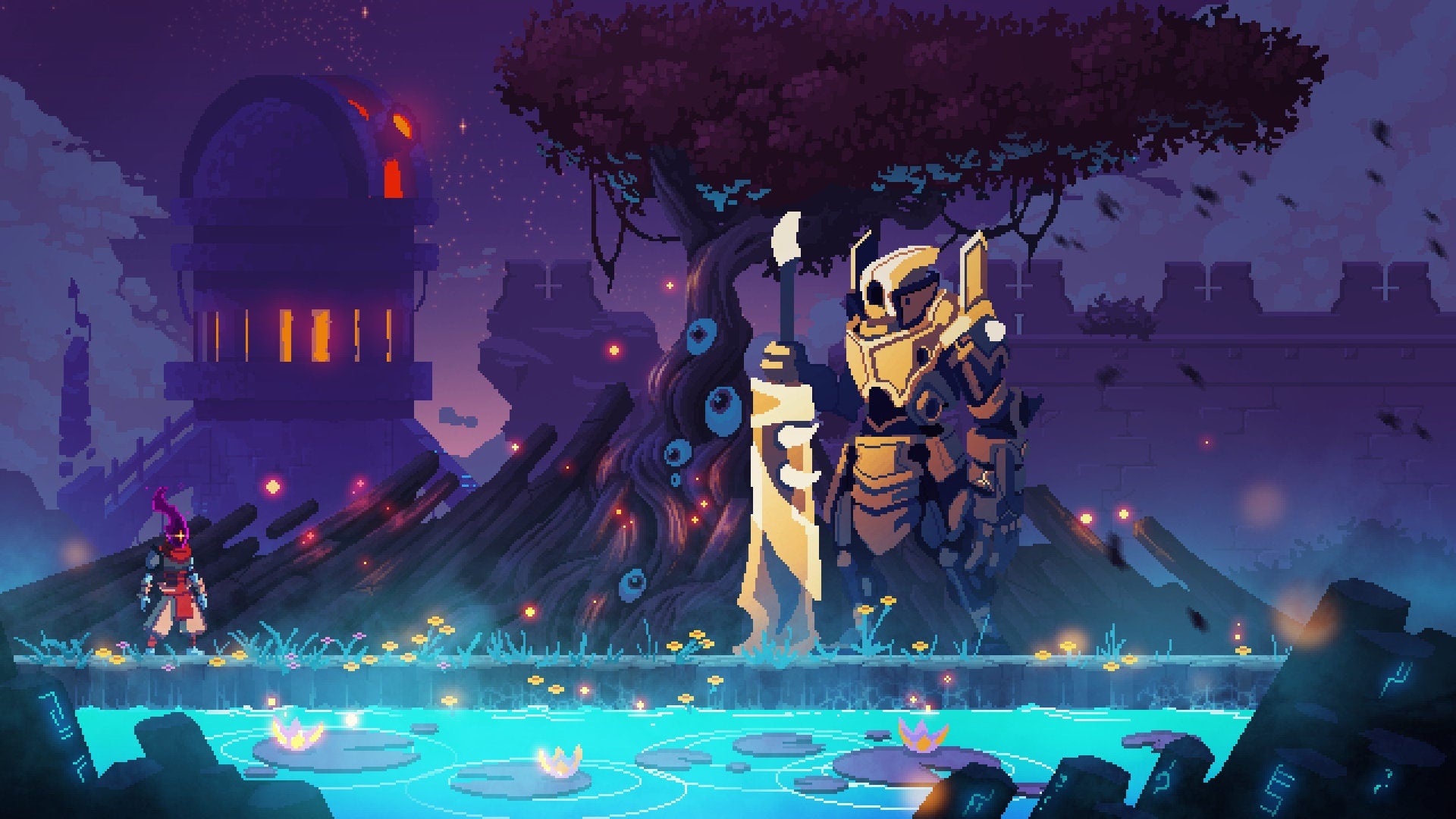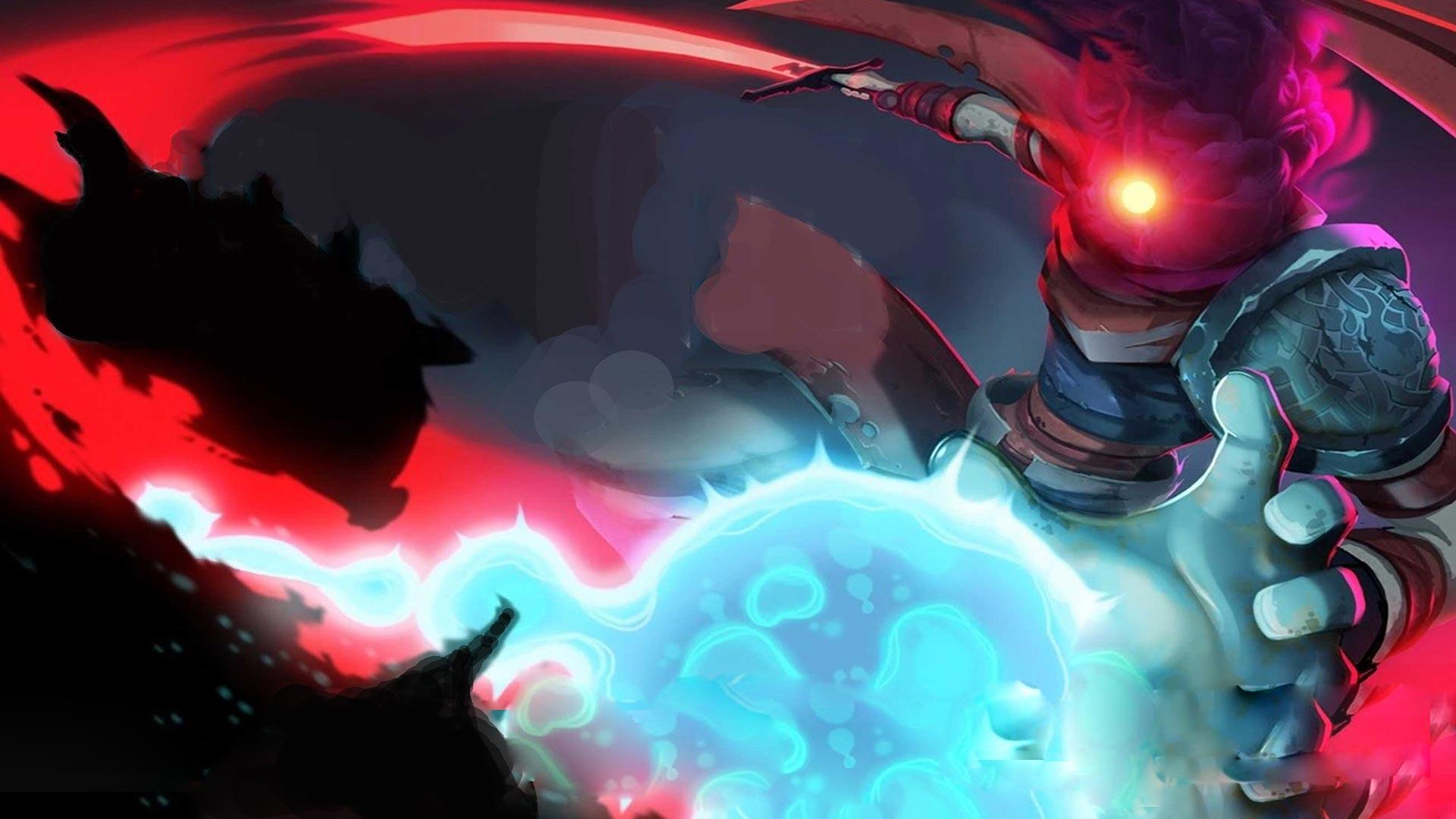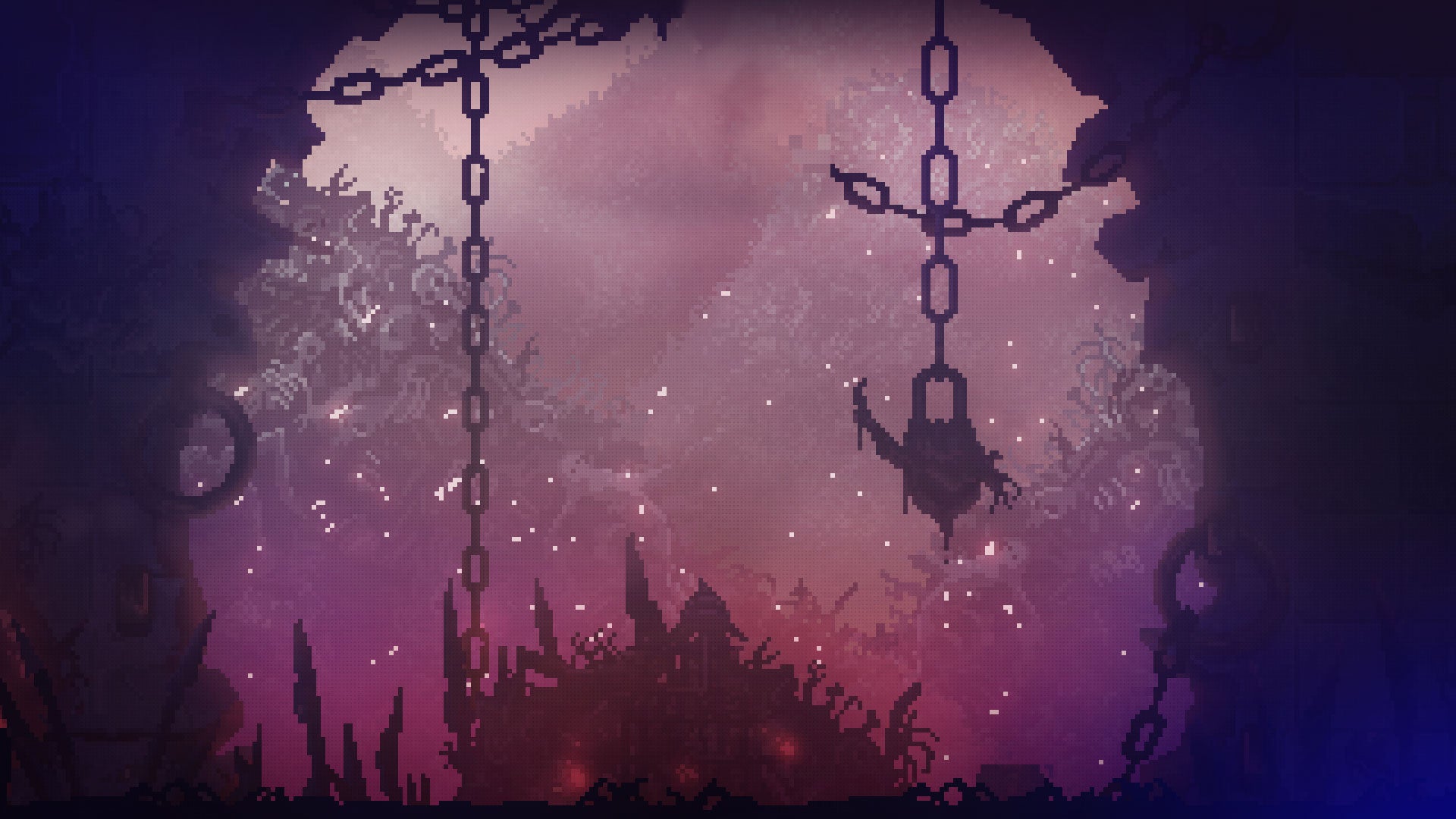
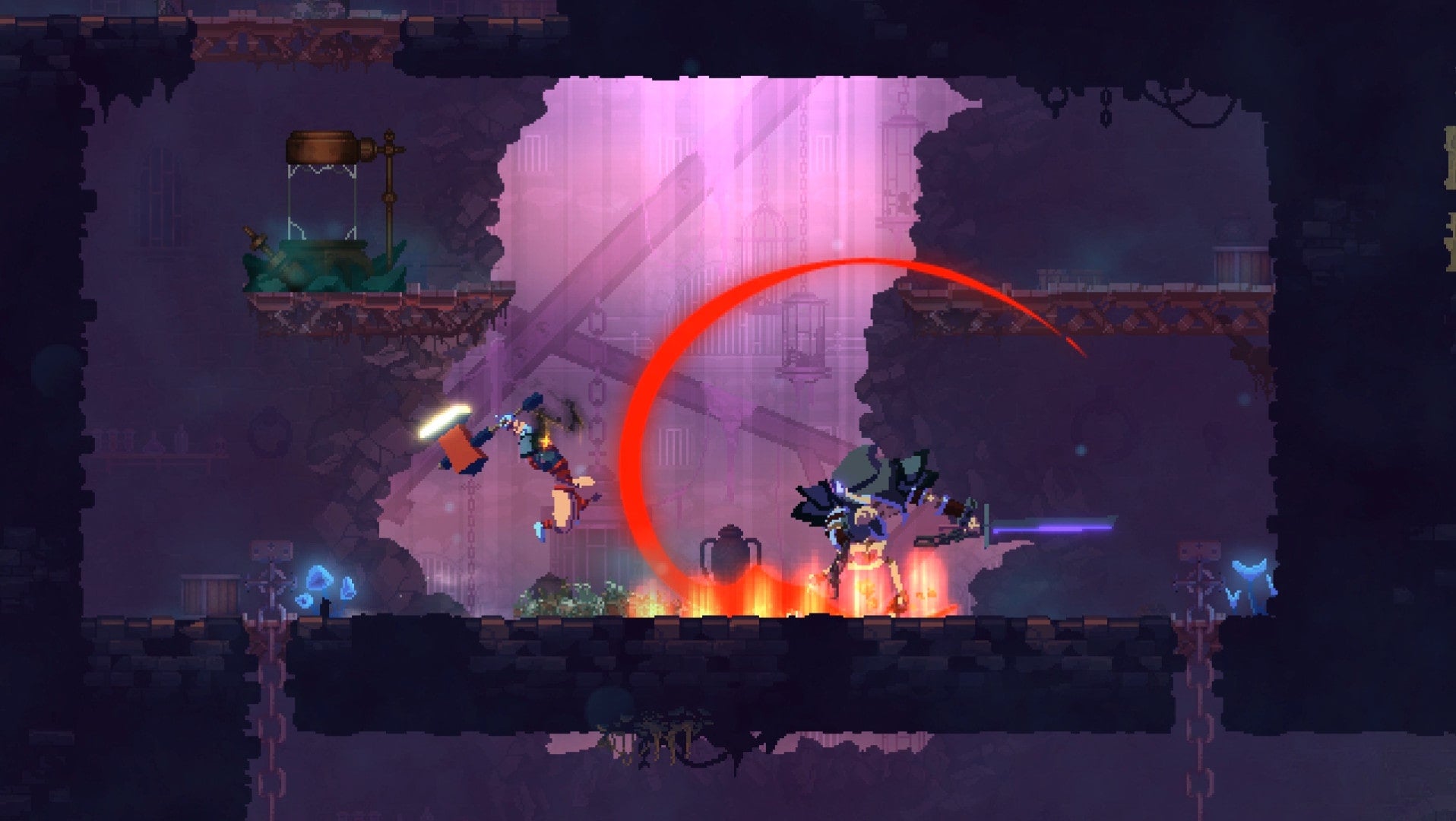
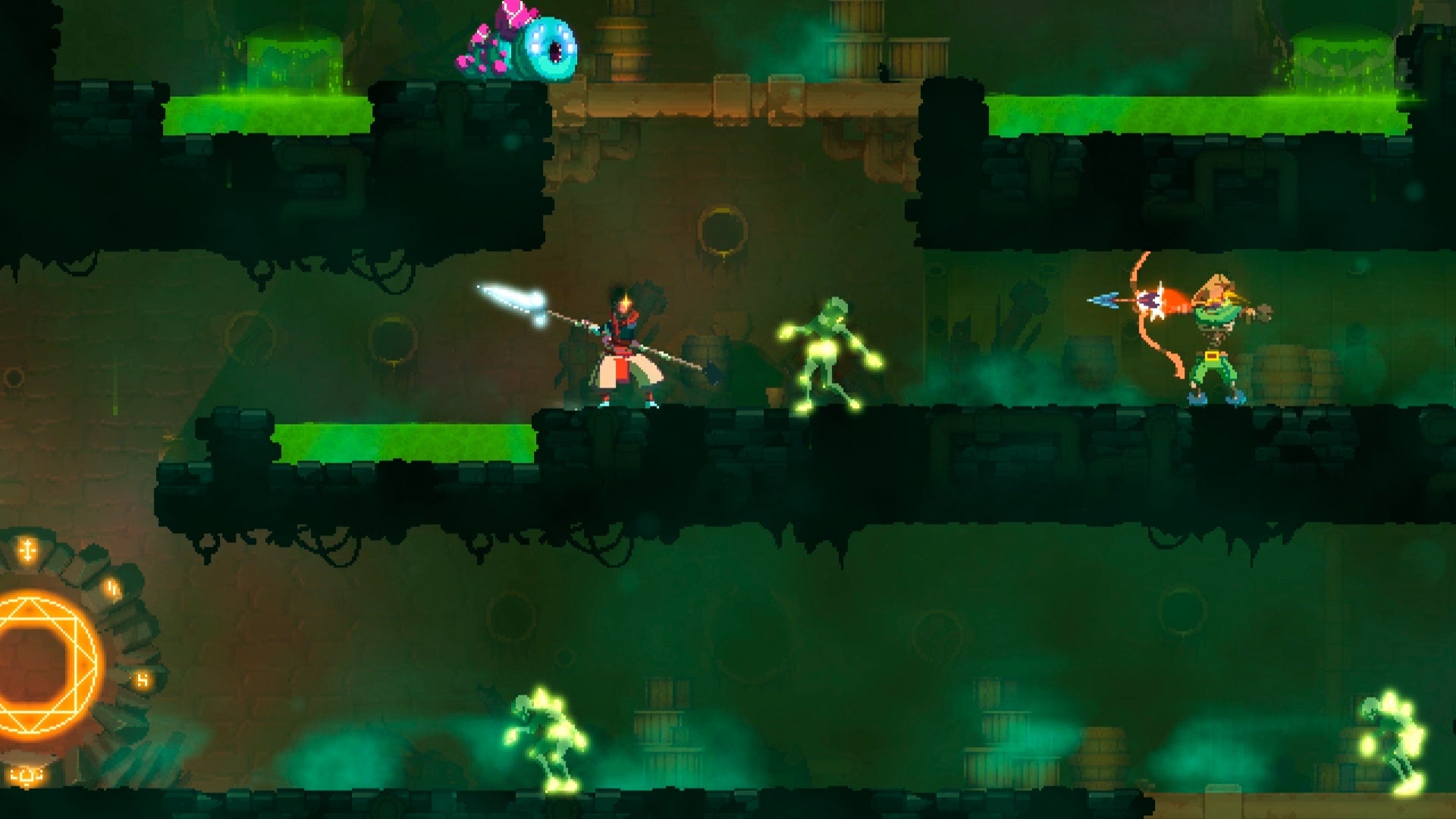
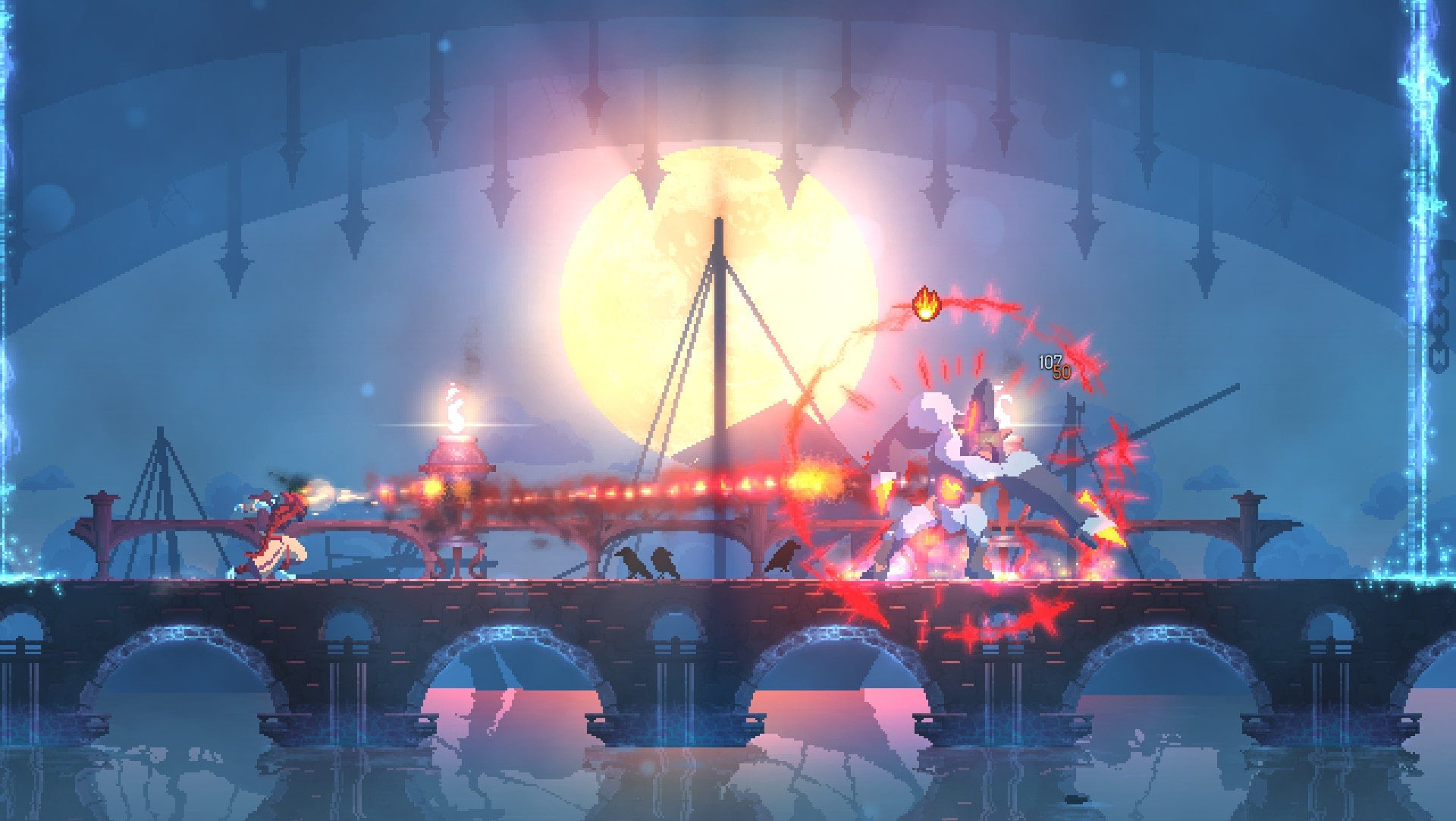
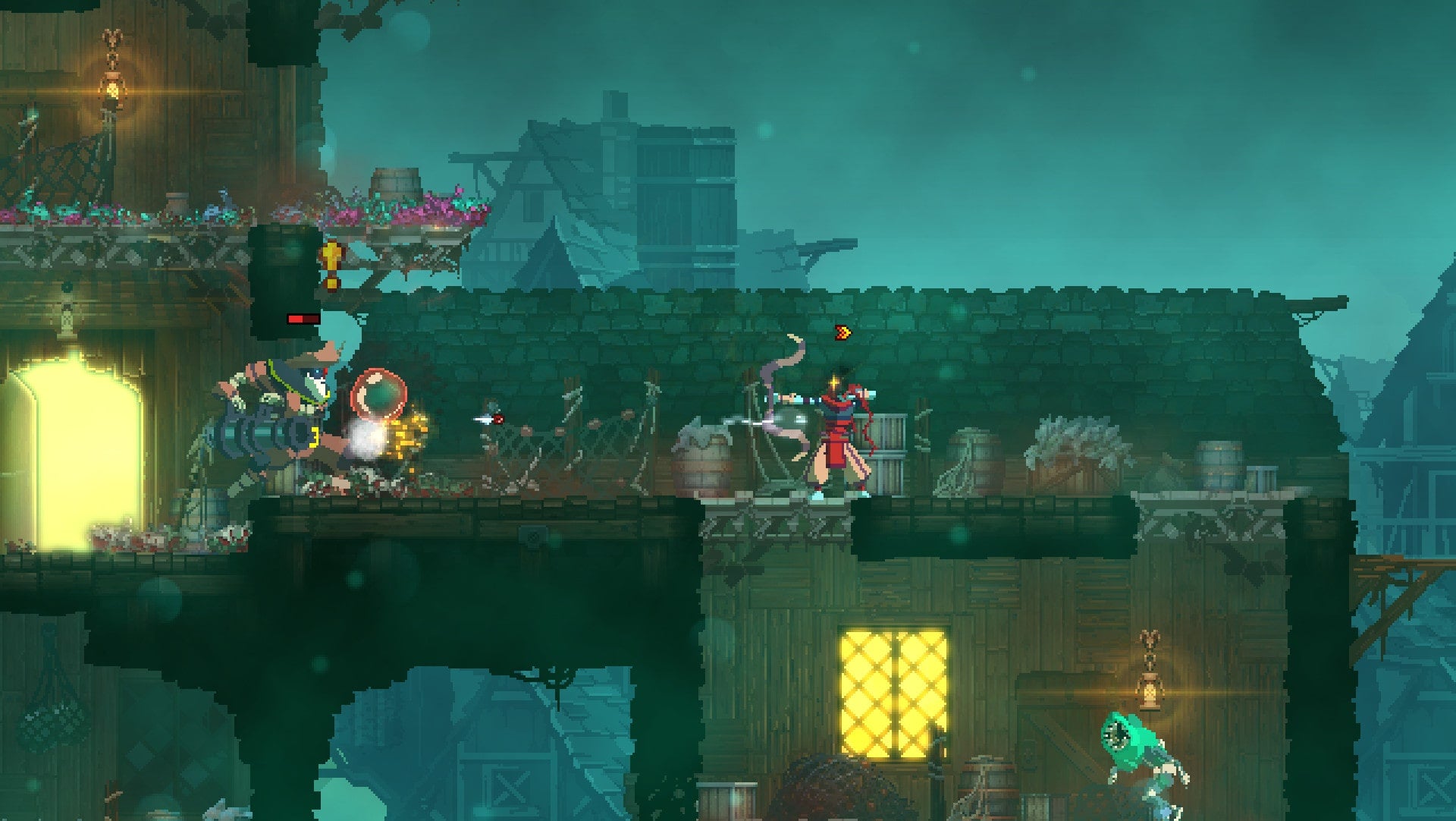
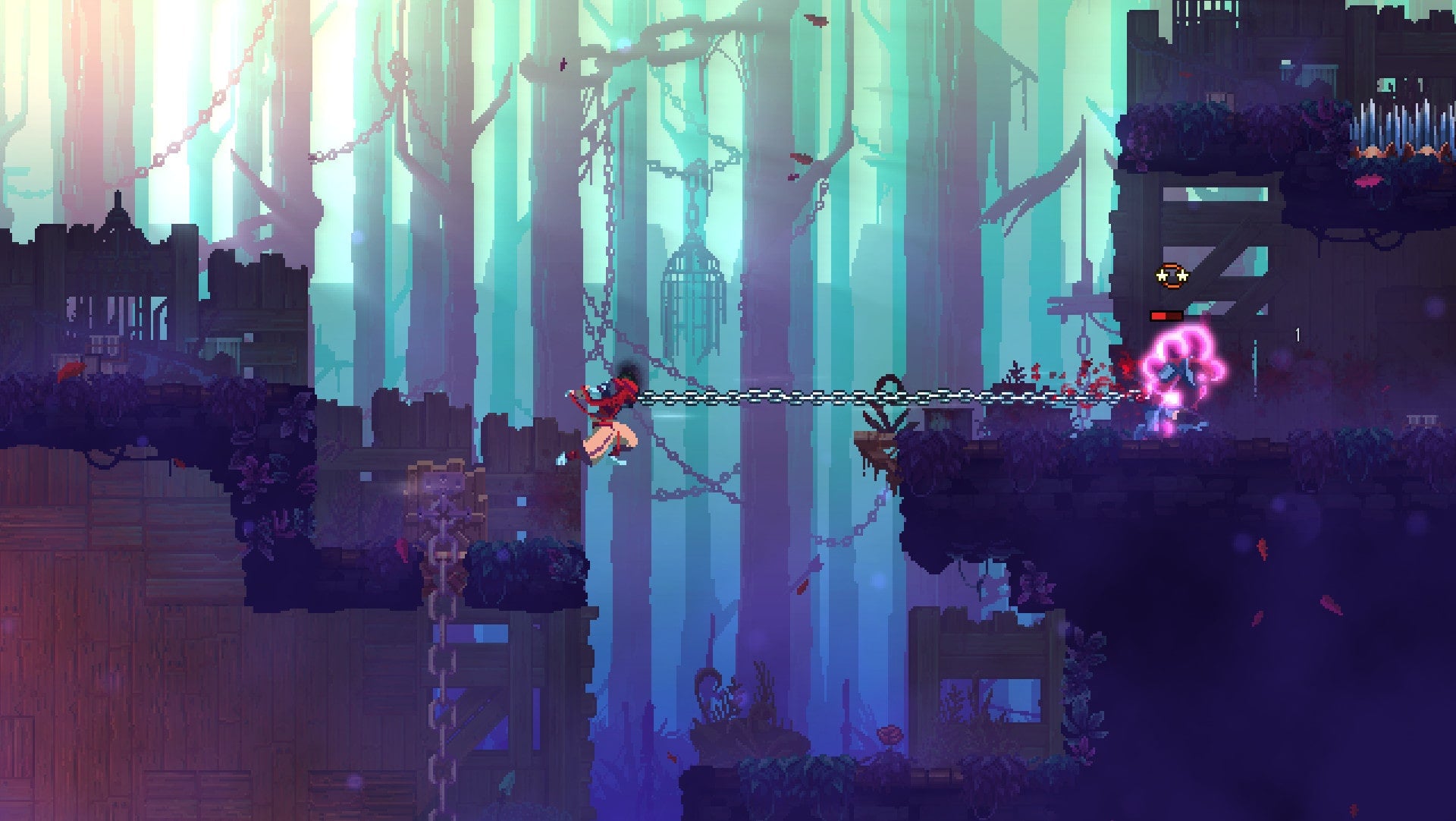
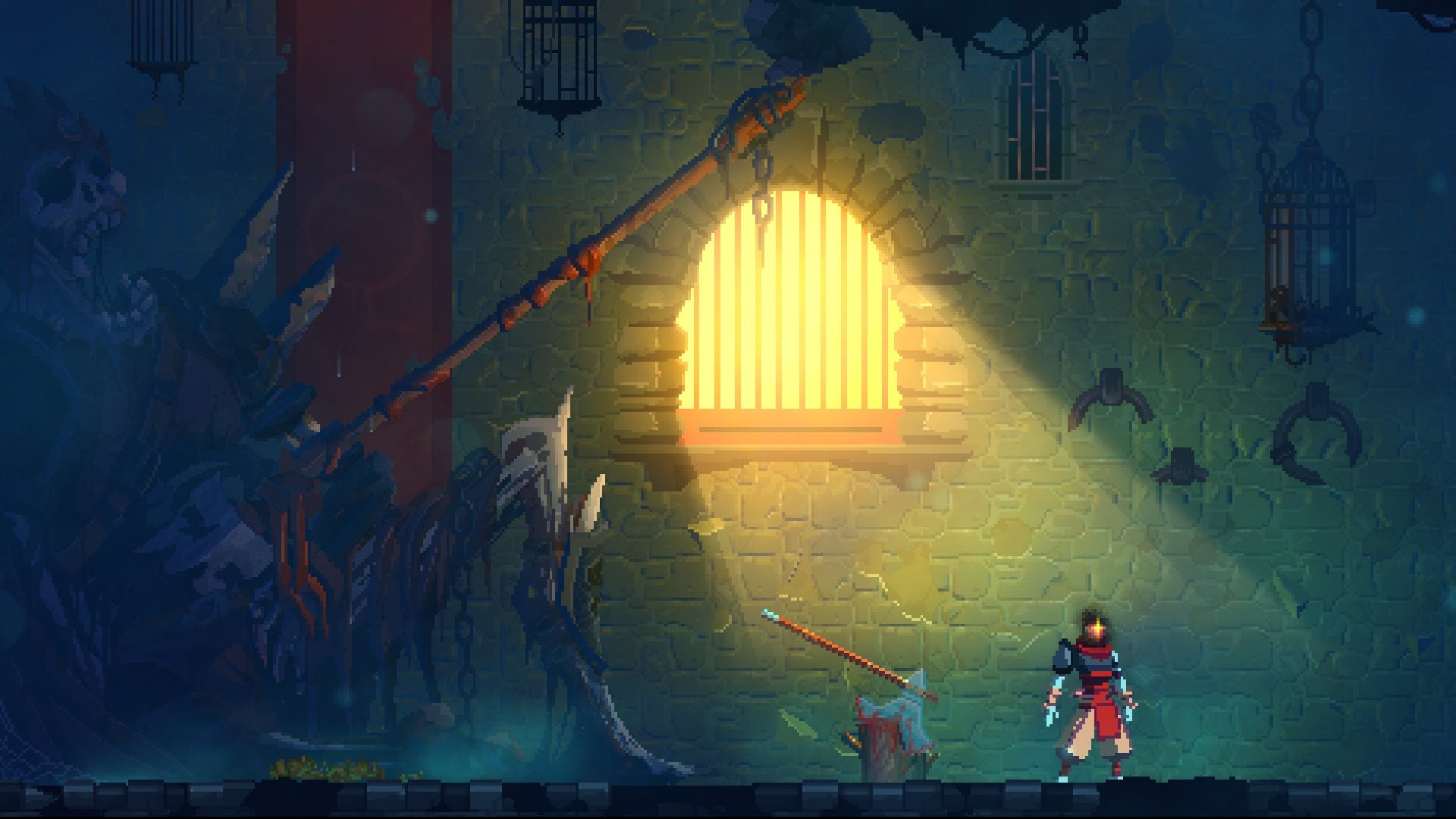
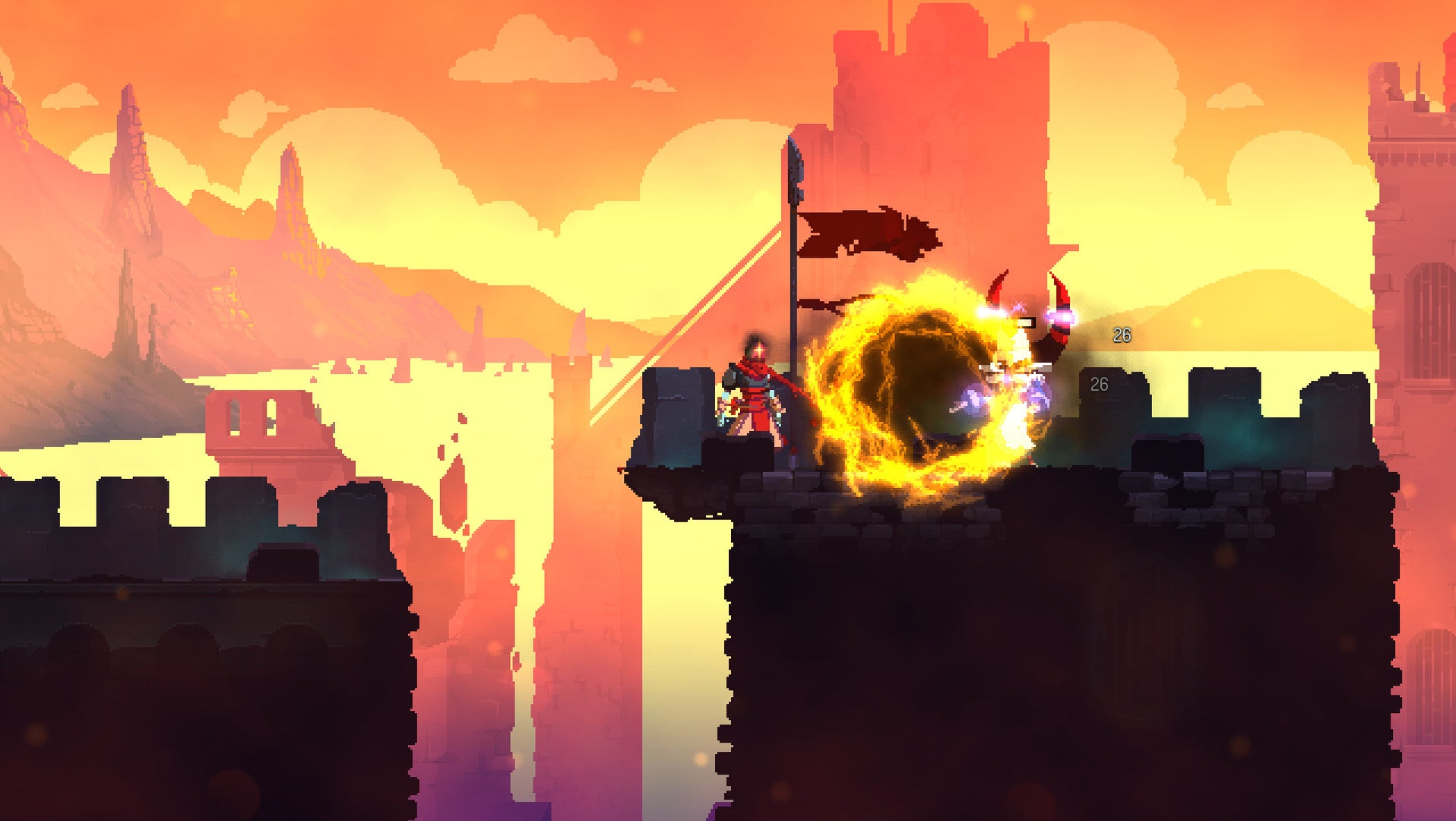

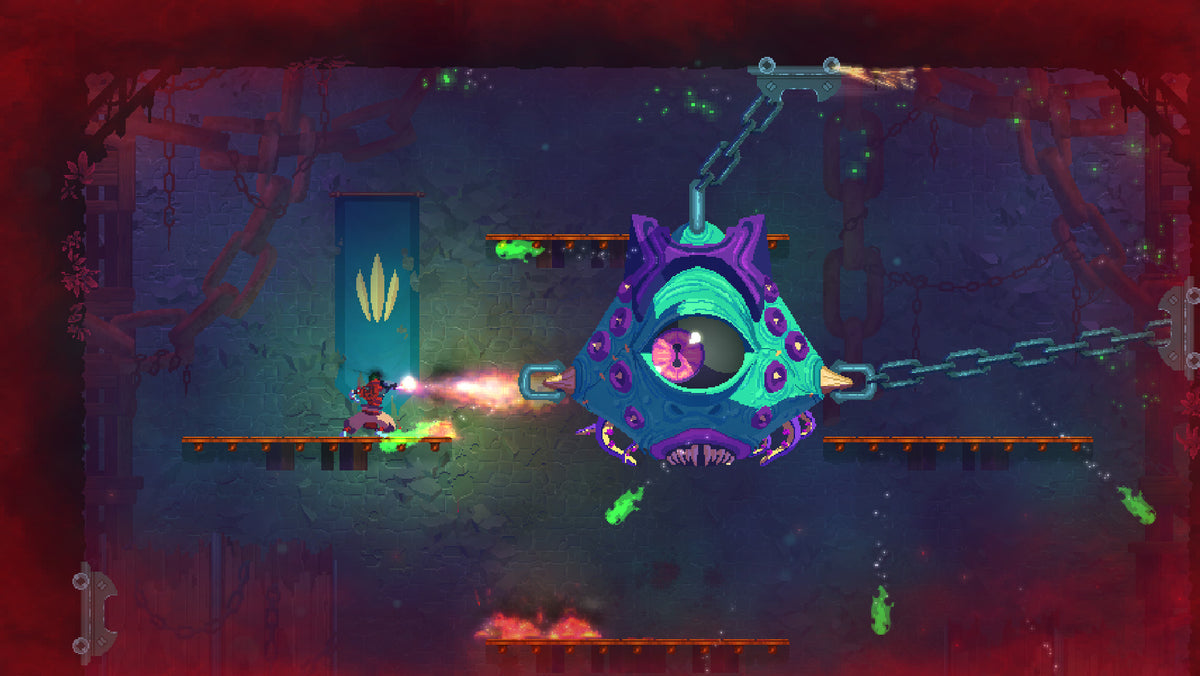
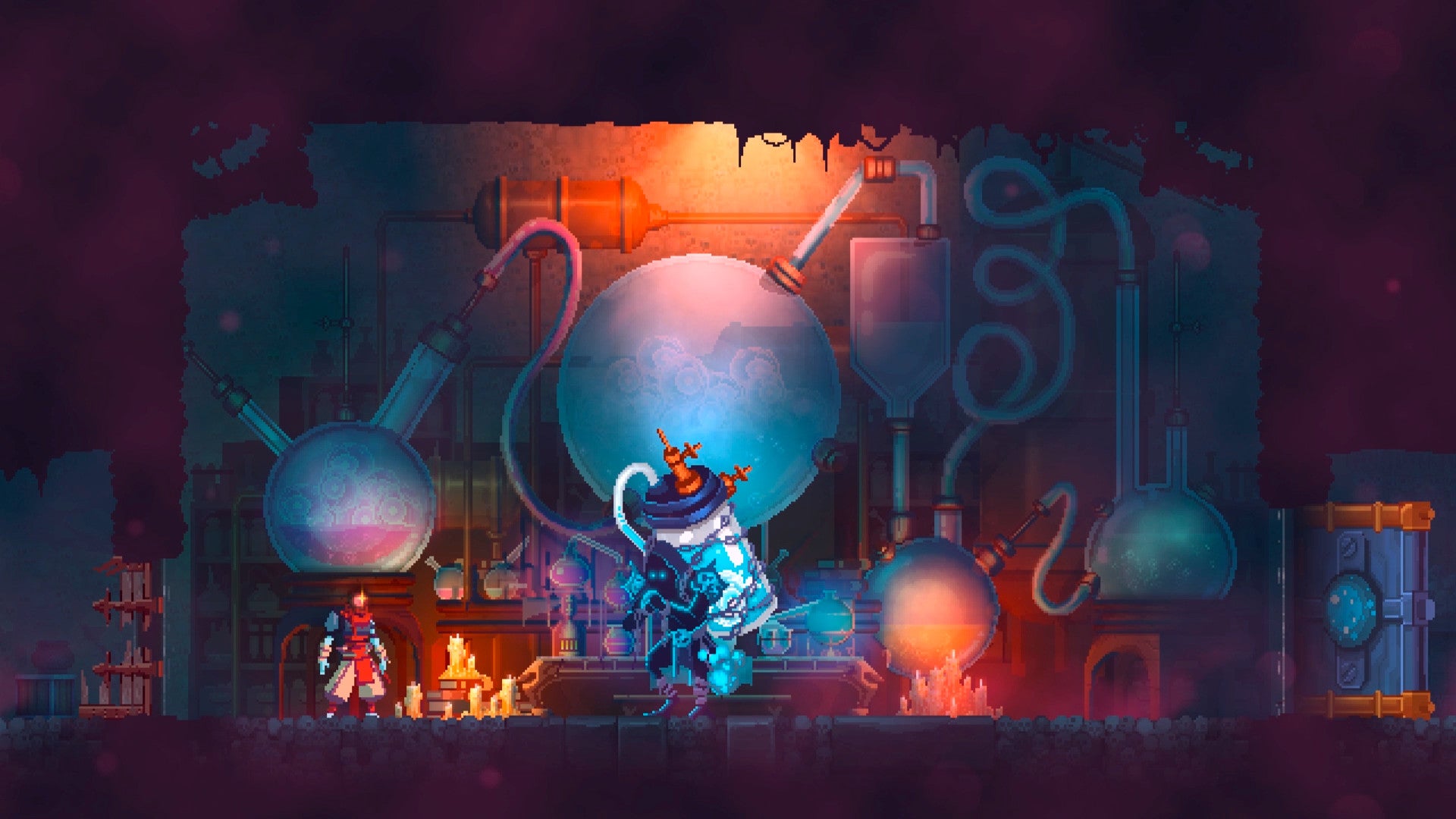



Dead Cells hands you a failed alchemic experiment, drops it at the bottom of a sprawling cursed island and gives it one job: get out. You cannot die permanently, but the bodies you take over absolutely can, and the castle standing between you and the surface rearranges itself every single time you try.
Kill, Die, Learn, Repeat
There are no checkpoints. A run ends when your host does, and the only way onward is to begin again with whatever you managed to unlock on the way down. That structure turns every mistake into information: the enemy that cornered you, the room you rushed, the weapon whose rhythm you never quite settled into. Skill here is measured in what you have worked out as much as in what you are carrying.
Motion Twin built the loop so that failure never feels wasted. New paths, levels, mutations, abilities and weapons stay unlocked between attempts, so a run that collapses early still leaves the next one better armed and better informed than the one before it.
An Interconnected Roguevania
The island is a metroidvania world assembled from procedurally arranged levels, which means the shape is familiar but the specifics never are. Progression is nonlinear: every death unlocks the option to take a different path, so if the stinking sewers have stopped teaching you anything, the ramparts are waiting. Two attempts on the same castle rarely tell the same story.
Tough But Fair Combat
Fights are fast, close and deliberately readable. Bosses and minions work to patterns, positioning matters, and the emergency panic roll exists precisely because the game expects you to get yourself into trouble. The result is 2D souls-lite combat that stays visceral and cathartic instead of merely punishing: when a run ends, you almost always know which decision ended it.
Build the Run Around What You Find
- Weapons and spells with their own gameplay
- Nothing you pick up is a straight upgrade on the last thing. Each weapon and spell brings its own rhythm and its own demands, and a run often turns on whether you commit to the odd thing you found early or hold out for something that suits you better.
- Mutations and unlockable skills
- Mutations and abilities let you push an attempt toward aggression, tactics or survival, while unlockable skills quietly change the geography by opening routes that were closed to you on an earlier run. The build and the map grow together.
- Secret rooms and hidden passages
- The castle rewards the players who slow down and look. Hidden passages, secret rooms and quiet corners of an otherwise hostile island hold the things that make the next run viable, which is a constant argument against sprinting for the exit.
Ready When You Are
Dead Cells is a game about the run after this one. Take a body, pick up whatever is lying in the first cell and find out how far the island is willing to let you get before it sends you back to the start with something new to try.