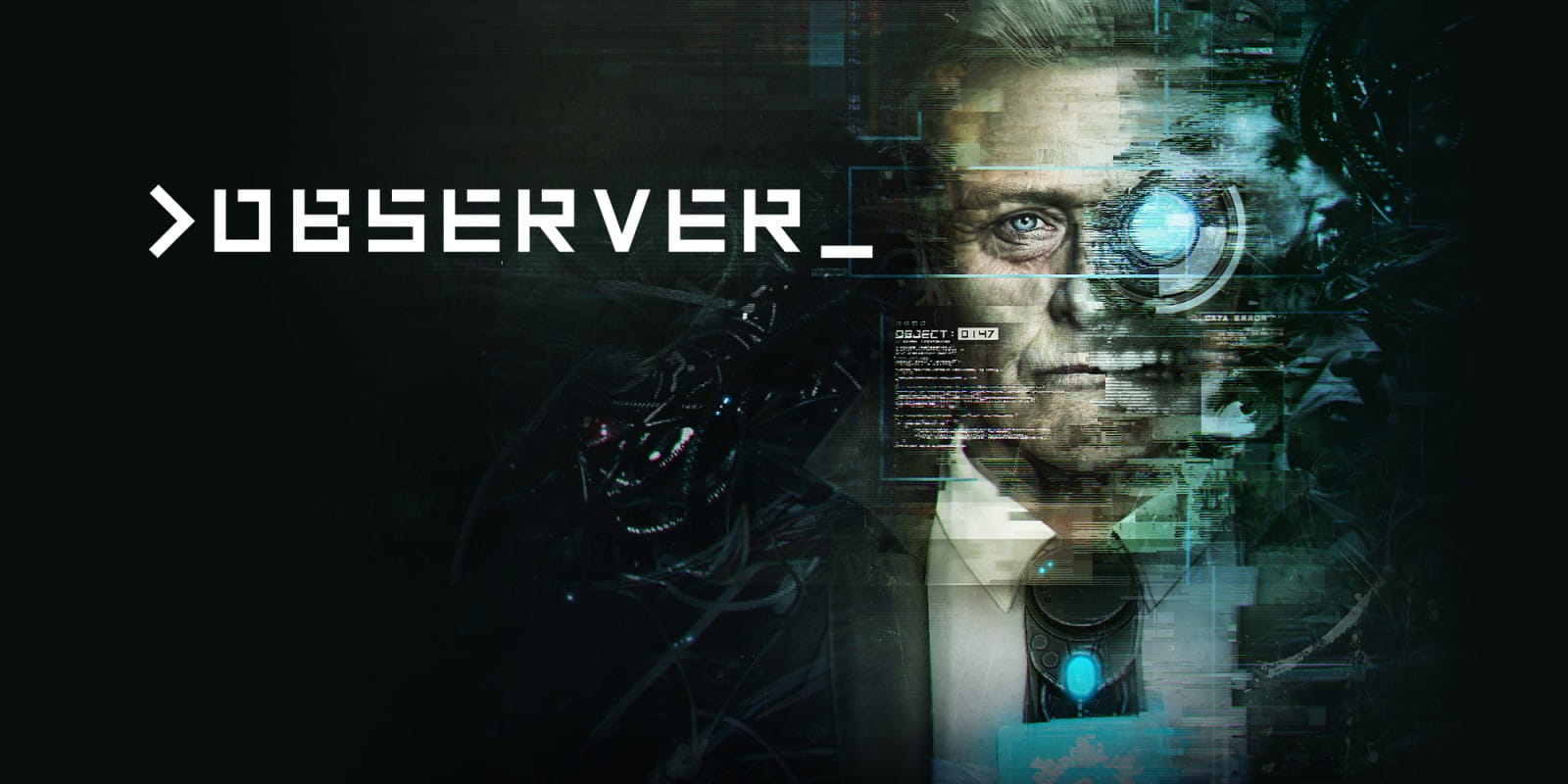
Dark games embrace shadowy aesthetics, serious themes, and atmospheric experiences that explore the more somber, mysterious, or psychologically complex aspects of storytelling and human experience. These games celebrate the artistic power of darkness, shadow, and moral ambiguity, creating immersive experiences that prioritize mood, atmosphere, and emotional depth over lighthearted entertainment. Whether featuring gothic visual design with deep shadows and muted color palettes, psychological narratives that explore trauma, loss, and existential themes, mysterious atmospheres where danger lurks in unseen corners, or morally complex scenarios where traditional concepts of good and evil become blurred, dark games create compelling experiences through their embrace of serious, often unsettling subject matter. The genre emphasizes the artistic potential of darkness as both a visual and thematic element, using shadows, lighting, and color design to create specific emotional responses while exploring themes that resonate with mature audiences seeking depth and complexity. These games often feature protagonists facing overwhelming odds, environments that feel oppressive or threatening, and storylines that don't shy away from difficult or uncomfortable truths about human nature and society. Dark games frequently utilize minimalist UI design, atmospheric sound design, and visual presentation that reinforces their thematic focus on shadow, mystery, and psychological depth. These games appeal to players who appreciate atmospheric design and mood-setting, those who enjoy psychologically complex narratives and morally ambiguous scenarios, and anyone seeking gaming experiences that explore the deeper, more serious aspects of interactive storytelling.
 Rated 4.6 out of 5 by our customers1,220 reviews
Reviews are compiled from verified review providers