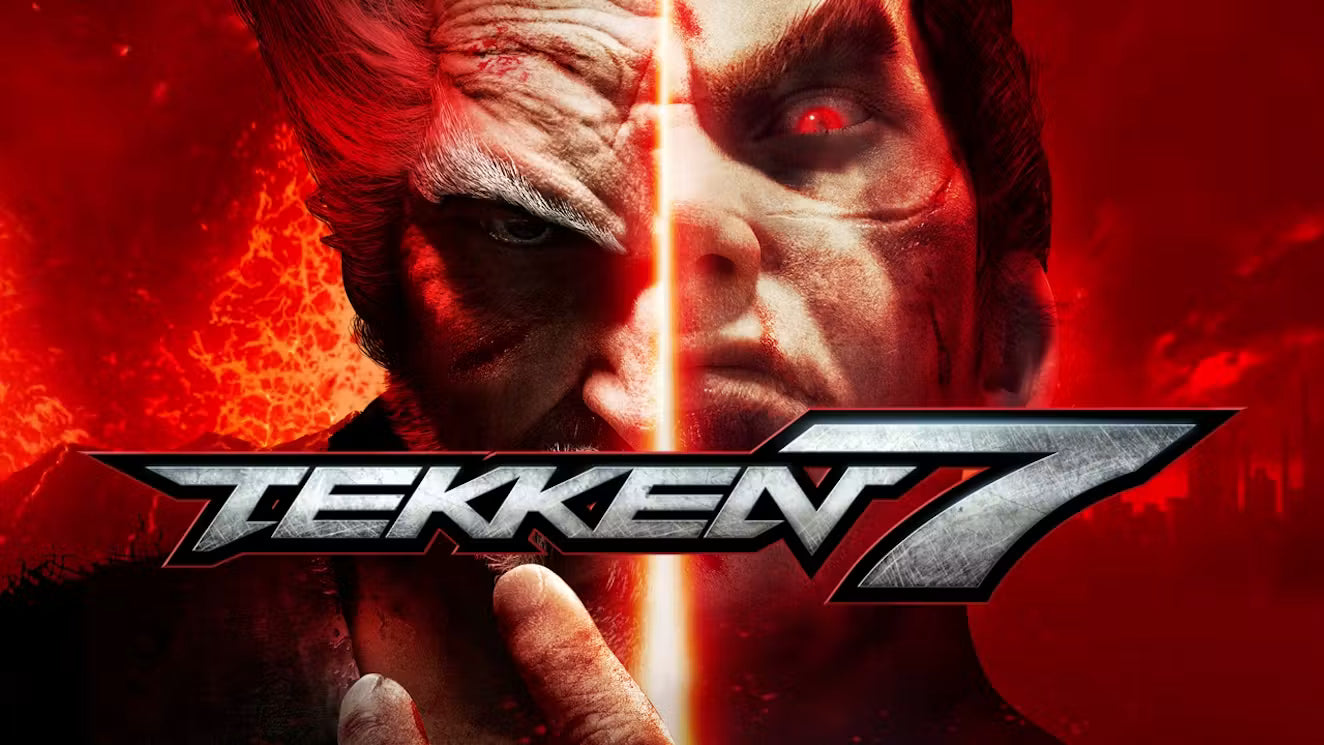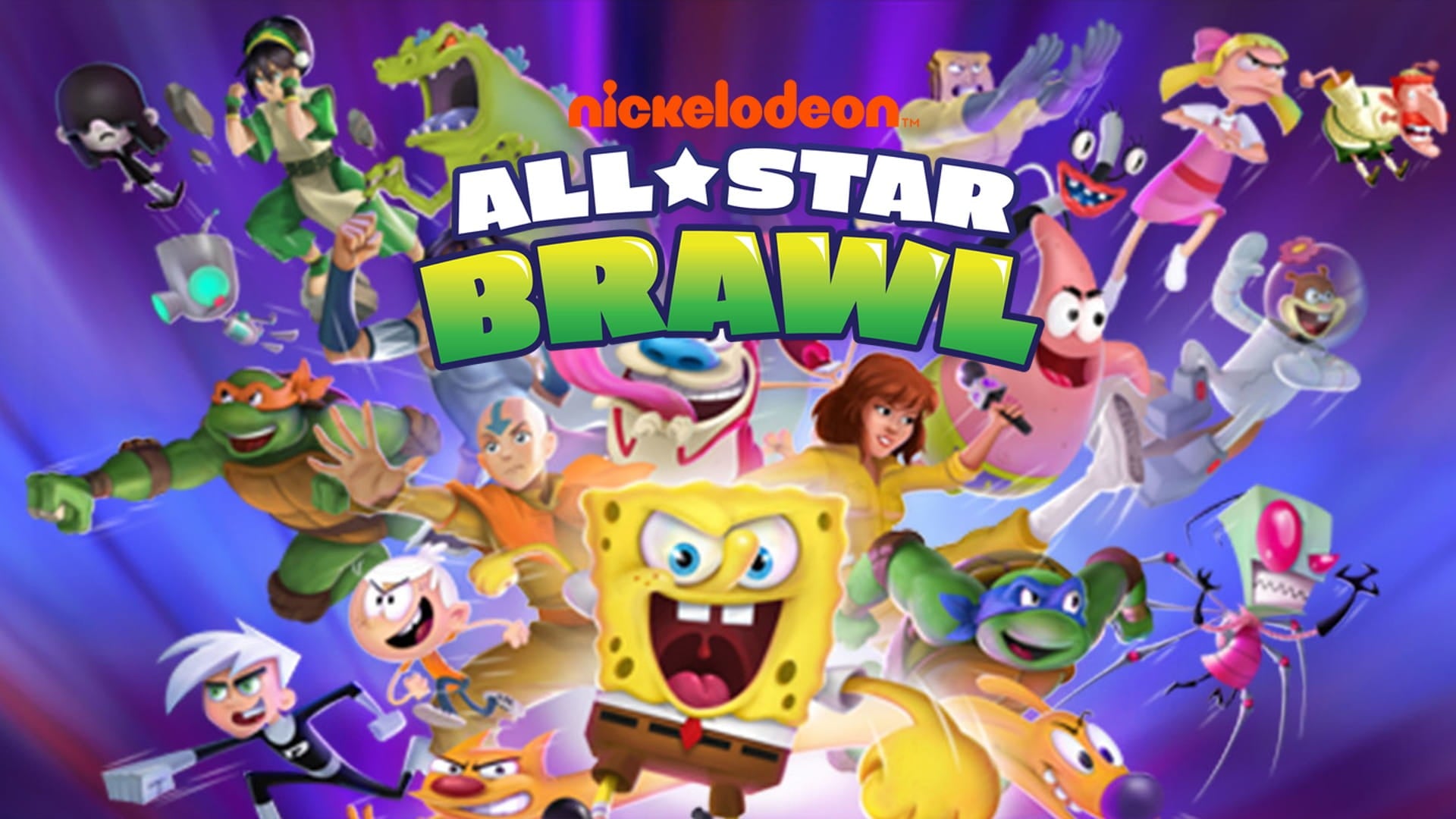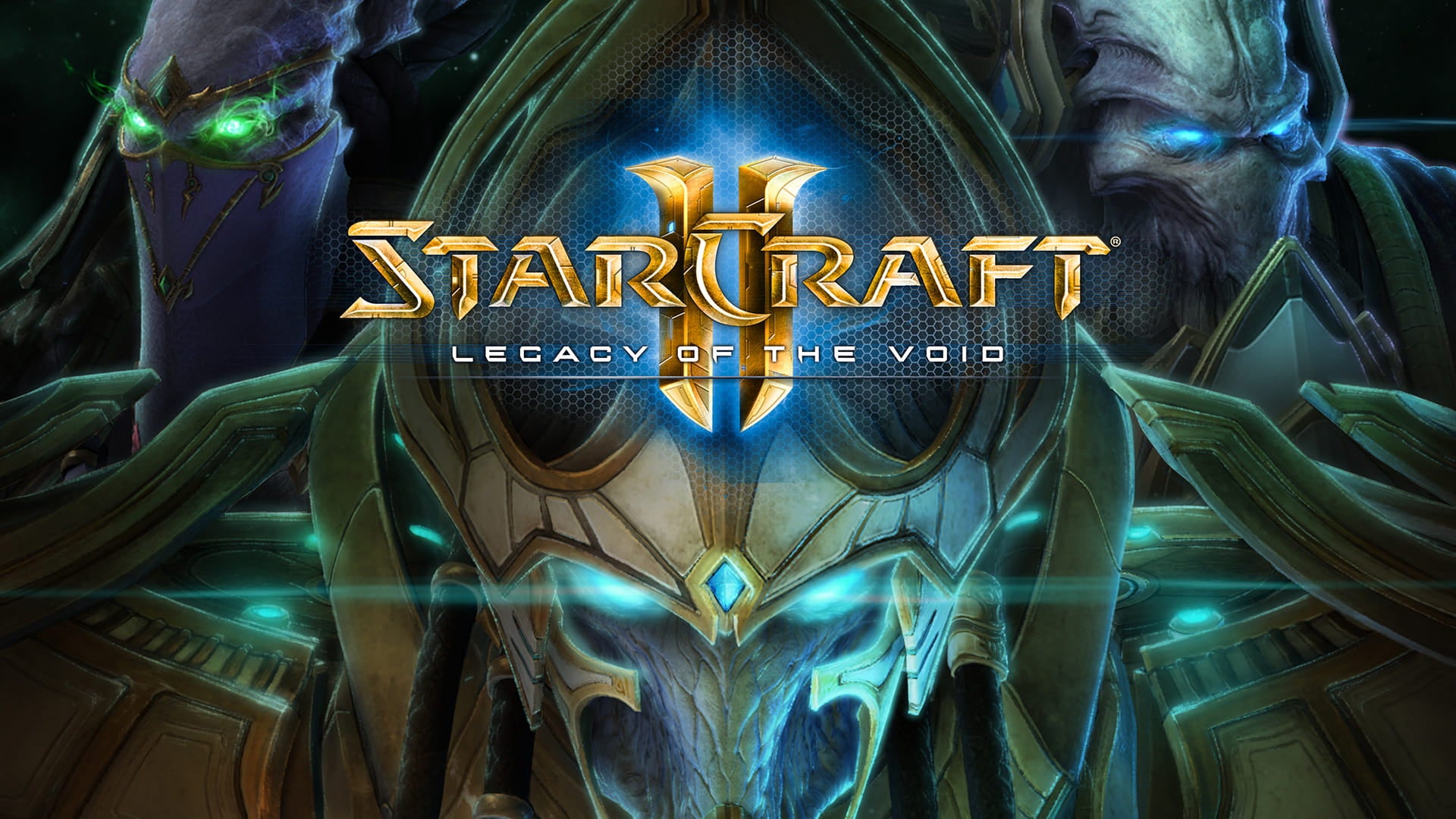
eSports games are designed for or have evolved into competitive electronic sports where skilled players and teams compete professionally in organized tournaments, leagues, and championships that attract global audiences and offer significant prize pools. These games emphasize the highest levels of strategic thinking, mechanical skill, and competitive excellence, creating experiences where millisecond reactions, perfect execution, and deep game knowledge separate amateur players from professional competitors who dedicate their careers to mastering these digital athletic pursuits. Whether featuring intense one-on-one duels that test individual skill and mental fortitude, complex team-based competitions requiring seamless coordination and strategic planning, or strategic battles where long-term planning and adaptation determine victory, eSports games provide the foundation for a global competitive gaming ecosystem. The genre celebrates the evolution of gaming into a legitimate spectator sport, with professional players, coaches, analysts, and dedicated fans who follow tournaments and championships with the same passion traditionally reserved for physical sports. These games often feature sophisticated ranking systems, detailed performance analytics, and balanced competitive mechanics that ensure fair competition while rewarding skill development and strategic innovation. eSports games frequently include spectator modes, replay systems, and tournament features that support their role as both competitive platforms and entertainment spectacles. These games appeal to highly competitive players seeking to test their skills against the world's best, aspiring professionals pursuing gaming careers, and anyone who appreciates the strategic depth and mechanical precision required to compete at the highest levels of interactive entertainment.
 Rated 4.6 out of 5 by our customers1.220,00 reviews
Reviews are compiled from verified review providers