Ubisoft Bucharest holds a distinctive place in Ubisoft's history as the company's first development studio established outside France, opening in the Romanian capital in 1992 when the publisher itself was still a young family-run business expanding beyond its home market. Operating for much of its early life under the name Ubisoft Romania, the studio began as a support operation for the parent company's European lineup before growing into a full development team with a clear identity of its own, one rooted in simulation and military action. That identity took shape through the 2000s with the Silent Hunter series, where Silent Hunter III (2005), Silent Hunter 4: Wolves of the Pacific (2007) and Silent Hunter 5: Battle of the Atlantic (2010) set the standard for submarine warfare on PC with their patient, tension-driven patrols and detailed period vessels, and continued in the air with the arcade-leaning Blazing Angels: Squadrons of WWII (2006) and Blazing Angels 2: Secret Missions of WWII (2007). The studio then brought that flight expertise under the Tom Clancy banner with Tom Clancy's H.A.W.X. (2009) and H.A.W.X. 2 (2010), modern jet-combat games that gave Ubisoft a foothold in a genre it had not previously competed in.
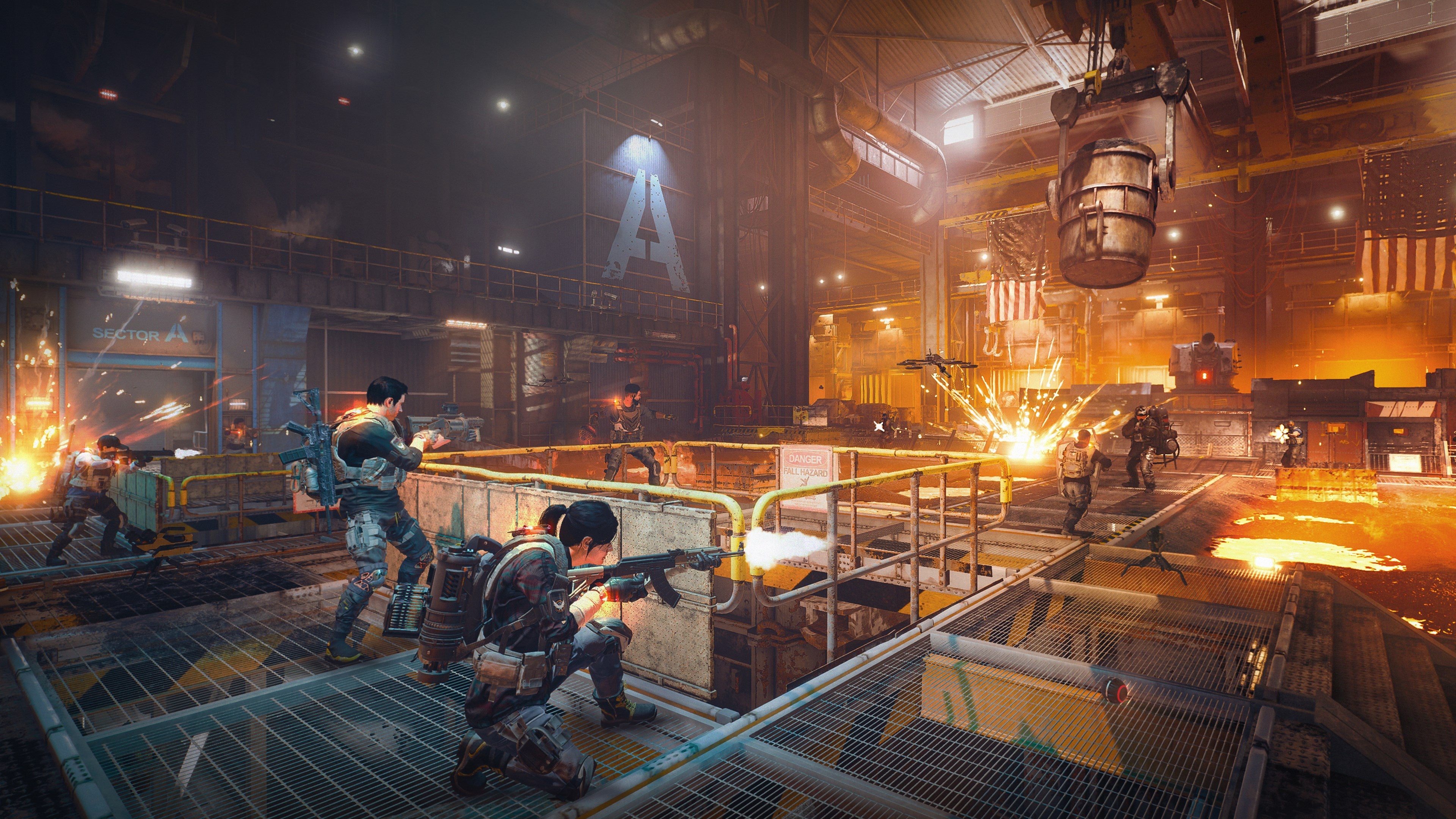
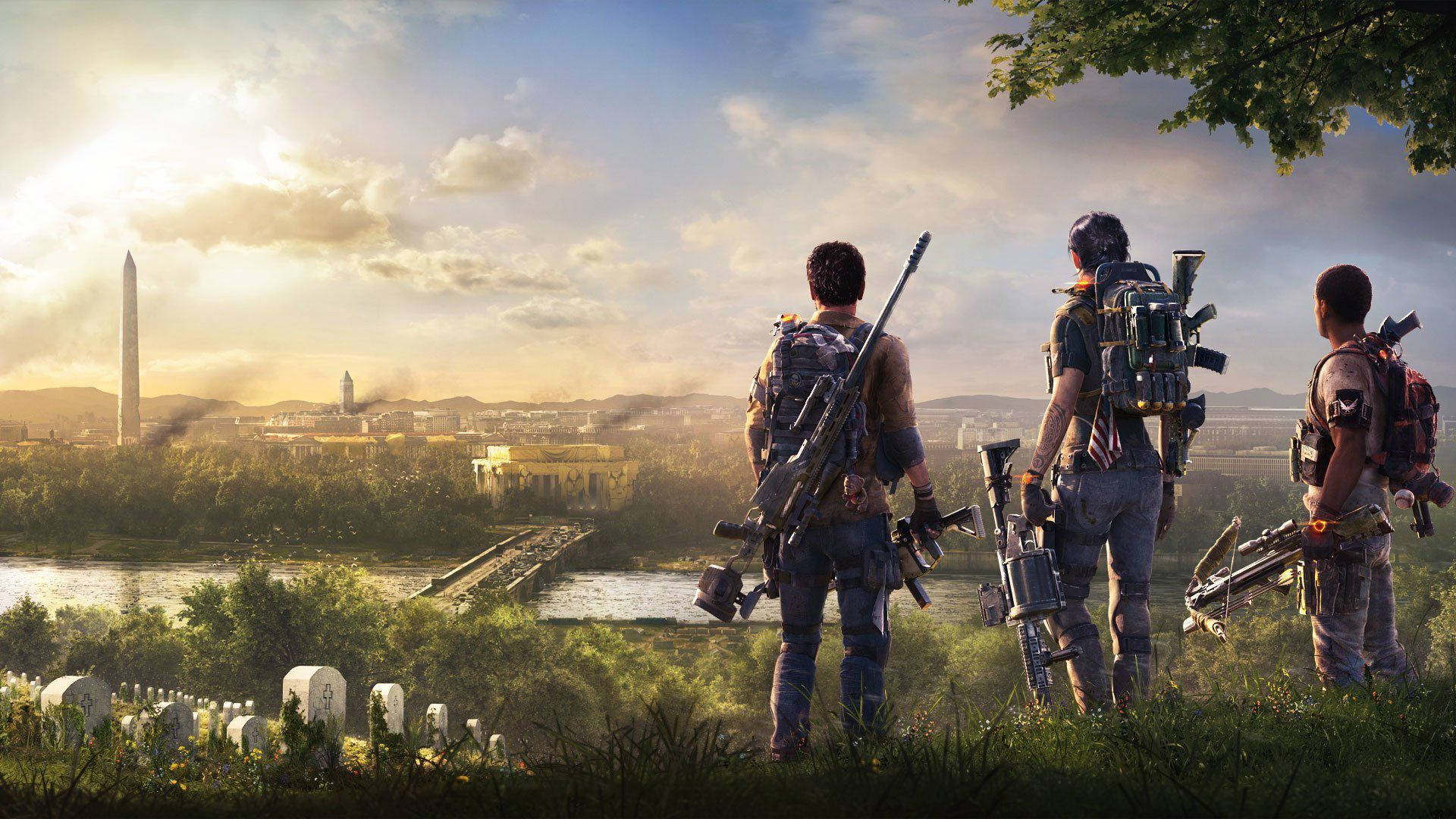
As Ubisoft reorganized its worldwide network of studios around large-scale co-development, the Bucharest team was renamed Ubisoft Bucharest and shifted from leading its own mid-sized productions toward contributing to the publisher's flagship franchises alongside its sister studios in Montreal, Malmö, Paris and elsewhere. That work has placed the studio's name in the credits of a long run of Assassin's Creed entries from Assassin's Creed: Brotherhood onward, in Watch Dogs, and in the Tom Clancy open-world games Ghost Recon Wildlands and Ghost Recon Breakpoint, while Ubisoft's own listing for Tom Clancy's The Division 2 credits the game jointly to Massive Entertainment and Ubisoft Bucharest, reflecting the depth of the Romanian team's involvement in Washington, D.C.'s looter-shooter campaign and its post-launch content. For players the catalog matters on two fronts: the Silent Hunter and H.A.W.X. games remain the reference points fans of naval and aerial combat return to, still without direct successors, and the studio's modern co-development role means a substantial share of the systems, missions and worlds in Ubisoft's biggest series were built in Bucharest, making it one of the largest and longest-running game development studios in Eastern Europe.