Ninja Theory is a British studio based in Cambridge, England, known for performance-driven storytelling and fluid, cinematic melee combat. Tameem Antoniades, Nina Kristensen and Mike Ball founded it in March 2000 under the name Just Add Monsters, with three staff and £3,000, and Argonaut Games acquired it that September. With Argonaut's backing the team made Kung Fu Chaos for the original Xbox. Microsoft published the brawler, and critics praised it, but it failed commercially. Its planned sequel was cancelled, and the concept that followed, Kung Fu Story, grew into Heavenly Sword. Argonaut entered administration in October 2004. The founders remortgaged their homes and, with investment from Argonaut CEO Jez San, bought the studio back from the administrators, relaunching it as Ninja Theory in November 2004. Sony Computer Entertainment signed Heavenly Sword in May 2005, which saved the studio from bankruptcy but cost it the IP and technology rights. Heavenly Sword became a PlayStation 3 exclusive, and the studio invested heavily in performance capture for it, working with Weta Digital and dramatic director Andy Serkis. That craft would define its later work. Released in September 2007, the game reviewed well and later found a cult following, but it did not break even, and it stayed with Sony along with its technology. Enslaved: Odyssey to the West followed in October 2010 for Namco Bandai Games. Inspired by Journey to the West and written by Alex Garland, it brought Serkis back for motion capture and had a score by Nitin Sawhney. It was well received again, and again commercially disappointing.
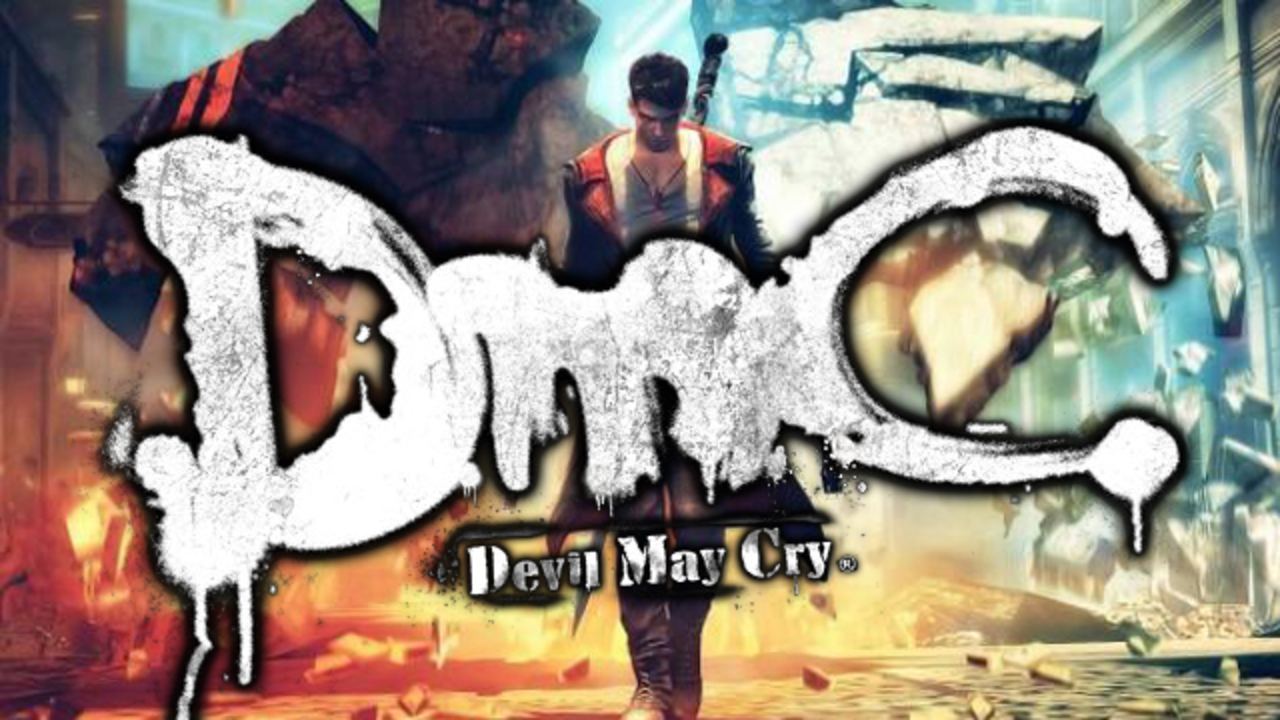
The turning point came when Capcom chose Ninja Theory to reboot Devil May Cry. Capcom wanted a Western developer and gave the studio considerable creative freedom, with Hideaki Itsuno supervising. The redesigned Dante drew heavy fan backlash, yet DmC: Devil May Cry launched in January 2013 to critical acclaim and topped retail charts in the UK, US, Europe and Japan. It was the first project that earned the studio royalties, and Heavenly Sword, Enslaved and DmC together sold about 4.5 million units. Ninja Theory then branched out with the mobile game Fightback and combat work on Disney Infinity: Marvel Super Heroes and Disney Infinity 3.0. After that it pioneered what it called "Independent AAA": self-funded, self-published games with high production values at a lower price. The result was Hellblade: Senua's Sacrifice (August 2017), made by a team of about 15. The game explored psychosis with guidance from neuroscientists and backing from the Wellcome Trust. It was profitable within three months, selling more than 500,000 units and earning over $13 million, and it won five BAFTA Games Awards. Microsoft announced its acquisition of the studio at E3 in June 2018, bringing it into what is now Xbox Game Studios. Since then Ninja Theory has released the multiplayer Bleeding Edge (2020) and Senua's Saga: Hellblade II (2024). In 2019 it launched The Insight Project, a mental-health research effort with University of Cambridge psychiatrist Paul Fletcher. In June 2026 it revealed a third Hellblade game, Senua, due in 2027. Co-founder and chief creative director Tameem Antoniades left in 2024, but the studio's identity is still easy to see in DmC: Devil May Cry. Its fast, stylish combo combat and hostile, shifting Limbo City make it one of the most distinctive action games of its generation.