Konami began a long way from video games. Kagemasa Kozuki founded the company in Osaka on March 21, 1969 as a jukebox rental and repair business, and the name itself is a portmanteau of the founders' surnames - Kozuki, Nakama and Miyasako. The move into amusement machines came in 1973, arcade video games followed in 1978, and by the early 1980s Konami had two of the most recognisable coin-ops of the era in Frogger and Scramble. The home-console boom of the mid-1980s is where the catalogue that still defines the company took shape: Gradius set the template for the scrolling shooter in 1985, Castlevania arrived in 1986, and 1987 brought both Contra and Hideo Kojima's Metal Gear on the MSX2 - a game that introduced stealth as a central mechanic and seeded a series that would run for three decades. Konami's NES and SNES output through this period, much of it released in the West under the Ultra Games and Konami labels, built a reputation for tight, technically assured action games that remains the reason collectors chase its cartridges today.
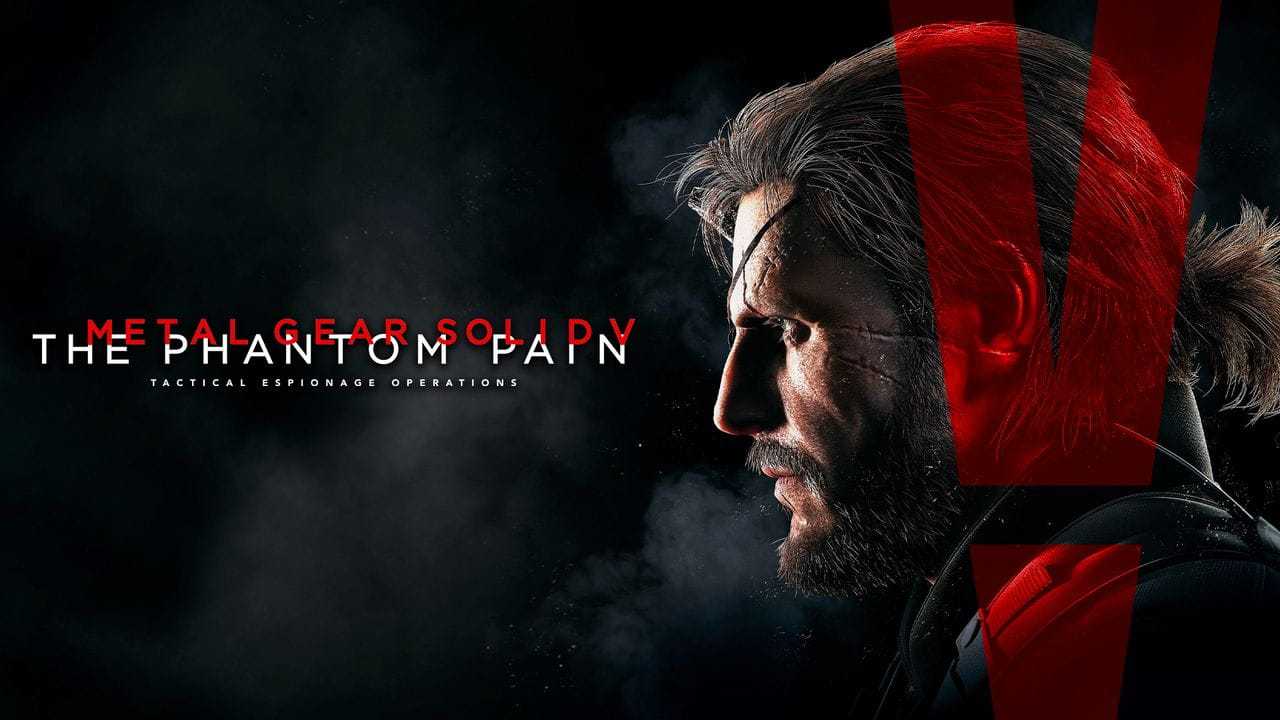
The company broadened considerably from the 1990s onward - Silent Hill redefined survival horror in 1999, the Yu-Gi-Oh! trading card game became a global phenomenon the same year, Pro Evolution Soccer (now eFootball) became the long-running rival to FIFA from 2001, and the 2012 acquisition of Hudson Soft brought Bomberman and Bonk into the fold - while Metal Gear Solid grew into one of the medium's most acclaimed cinematic series, culminating in 2015's Metal Gear Solid V: The Phantom Pain. That same year marked a turning point: Kojima departed, the corporate structure was reorganised as Konami Holdings with Konami Digital Entertainment running the games business, and the company's focus visibly tilted toward mobile and pachislot. More recently the pendulum has swung back toward its console heritage, with the Silent Hill 2 remake, Metal Gear Solid Delta: Snake Eater and a string of retro collections bringing the classic catalogue to modern players. Headquartered in Tokyo, Konami remains one of the few Japanese publishers whose back catalogue spans the entire history of the medium, which is exactly why so much of it is still worth playing.