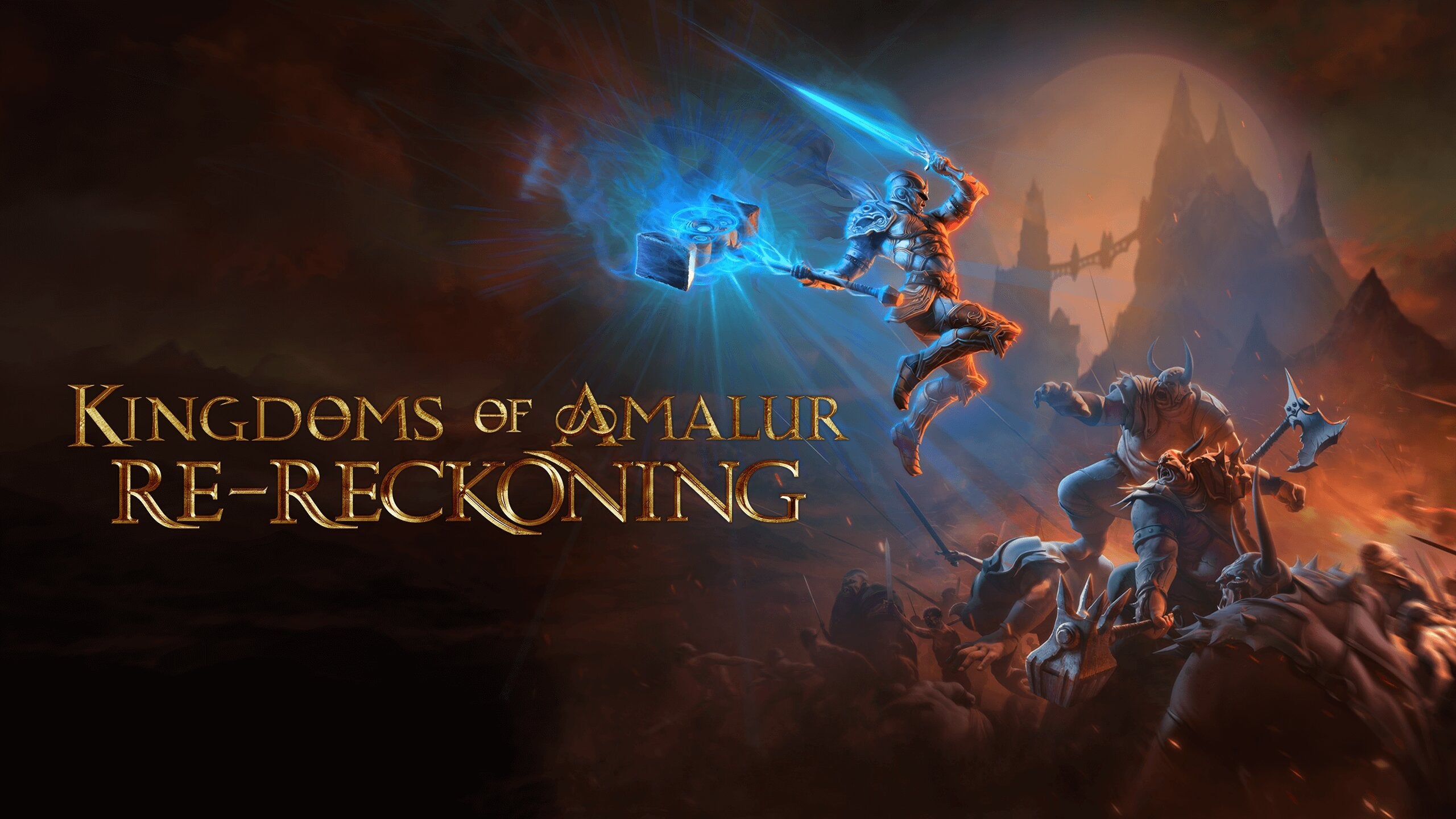
38 Studios was an American video game developer and publisher headquartered in Providence, Rhode Island, remembered as much for its spectacular financial collapse as for its ambitious creative aspirations. The company was founded on September 8, 2006 in Maynard, Massachusetts as Green Monster Games by Curt Schilling, the celebrated Major League Baseball pitcher best known for his career with the Boston Red Sox, who renamed the studio the following year after his jersey number. A passionate gaming enthusiast, Schilling set out to build an original fantasy universe and a massively multiplayer online role-playing game to rival the genre's giants, assembling an extraordinary roster of creative talent including best-selling fantasy novelist R. A. Salvatore to construct the world's mythology, acclaimed comic-book artist Todd McFarlane to guide its visual identity, and veteran role-playing designers to shape its systems. Unable to secure traditional venture capital, Schilling invested more than thirty million dollars of his own fortune before acquiring an established Maryland studio in 2009 to bolster development capacity, and in 2010 accepted a controversial seventy-five-million-dollar loan guarantee from Rhode Island's Economic Development Corporation in exchange for relocating the company to Providence, a deal that drew significant public opposition even as it proceeded.
The studio released only a single title in February 2012, a well-received single-player action role-playing game set in its fantasy universe, reworked from a prototype developed by its acquired studio, which earned solid reviews and sold well over a million copies within its first months, yet fell short of the enormous sales the company needed to remain solvent. Within months the studio unraveled with startling speed: after missing a loan payment in May 2012, 38 Studios abruptly laid off its entire workforce of roughly four hundred employees without final paychecks, cancelled their health coverage, and filed for bankruptcy in June, leaving its still-unfinished online project permanently incomplete. The aftermath left Rhode Island taxpayers responsible for tens of millions of dollars and spurred years of investigations and civil litigation, cementing the episode as one of the industry's most cautionary tales about public financing and studio management. The fantasy intellectual property the company had labored to create outlived it, acquired by THQ Nordic in September 2018 and subsequently revived through a remaster and new content under other developers, preserving the creative legacy of a studio whose reach fatally exceeded its grasp.