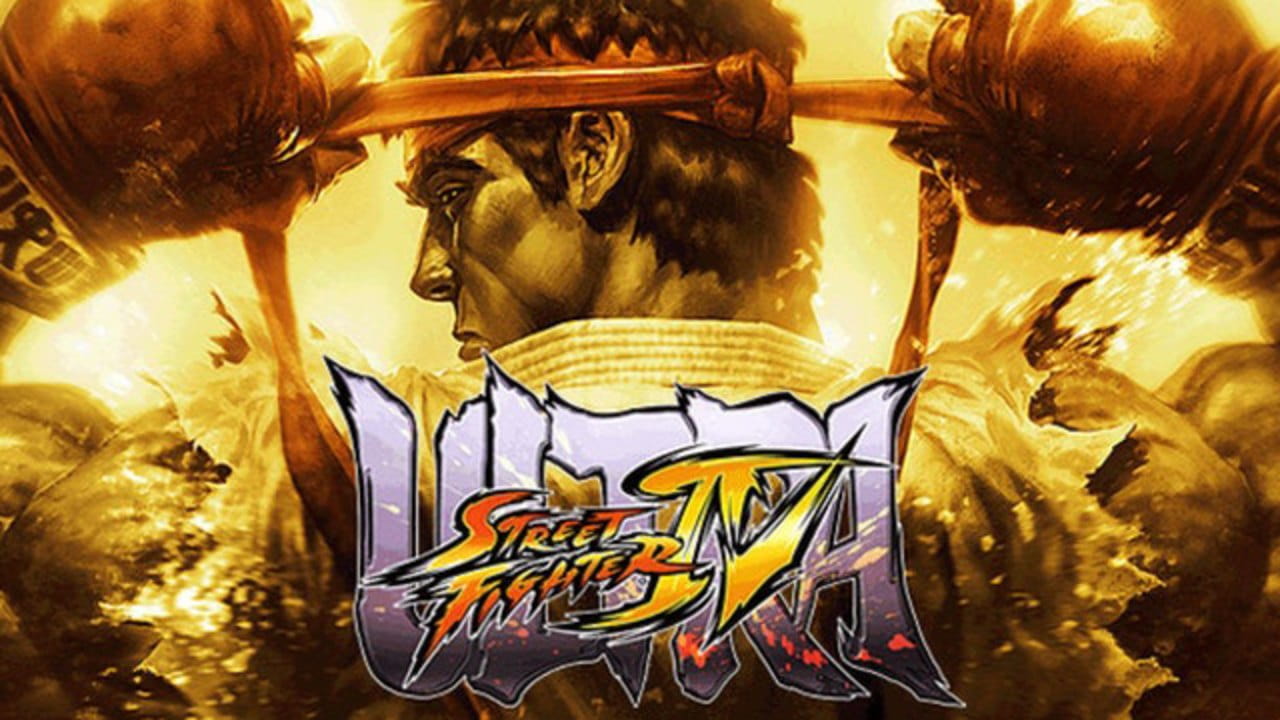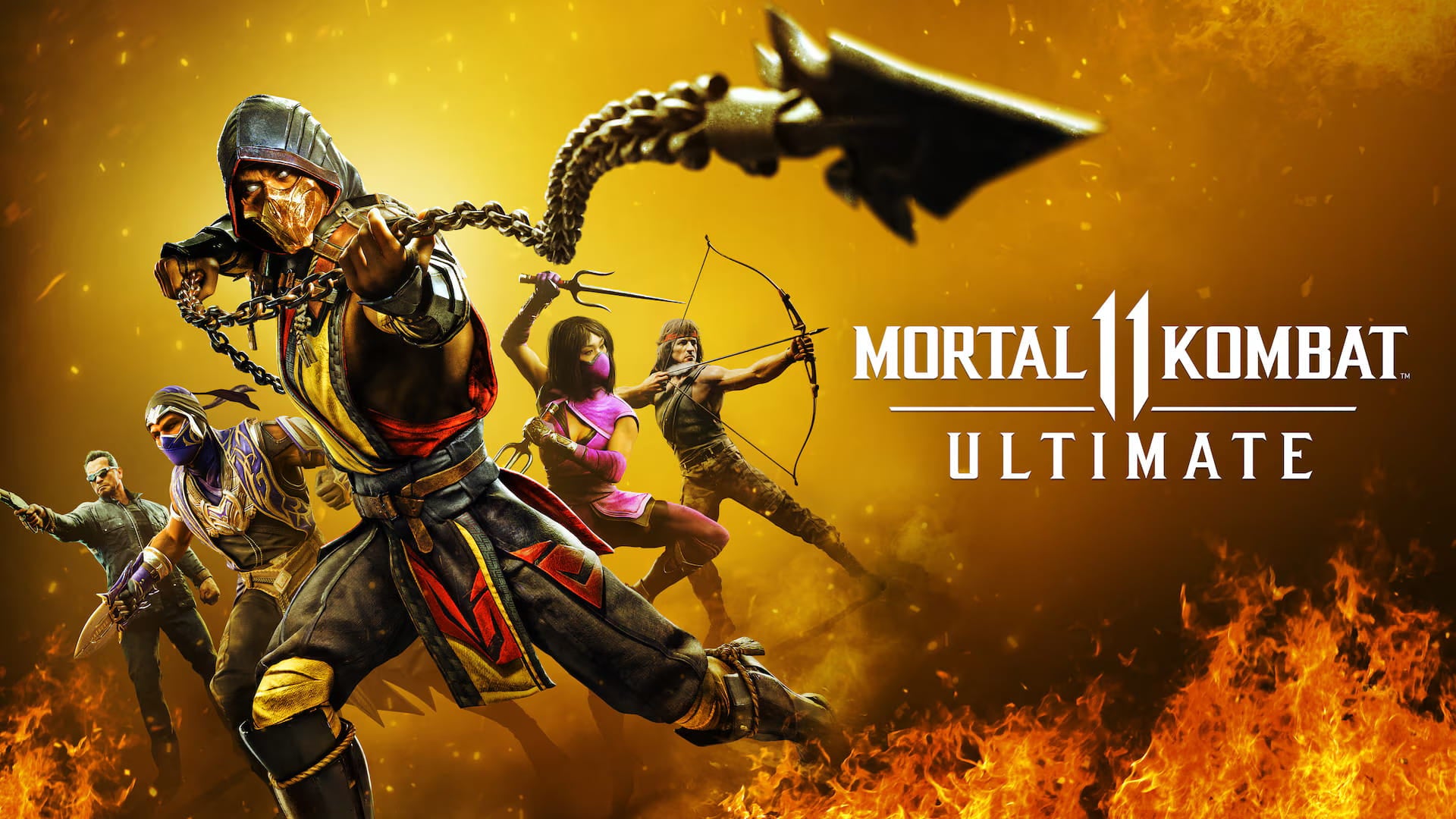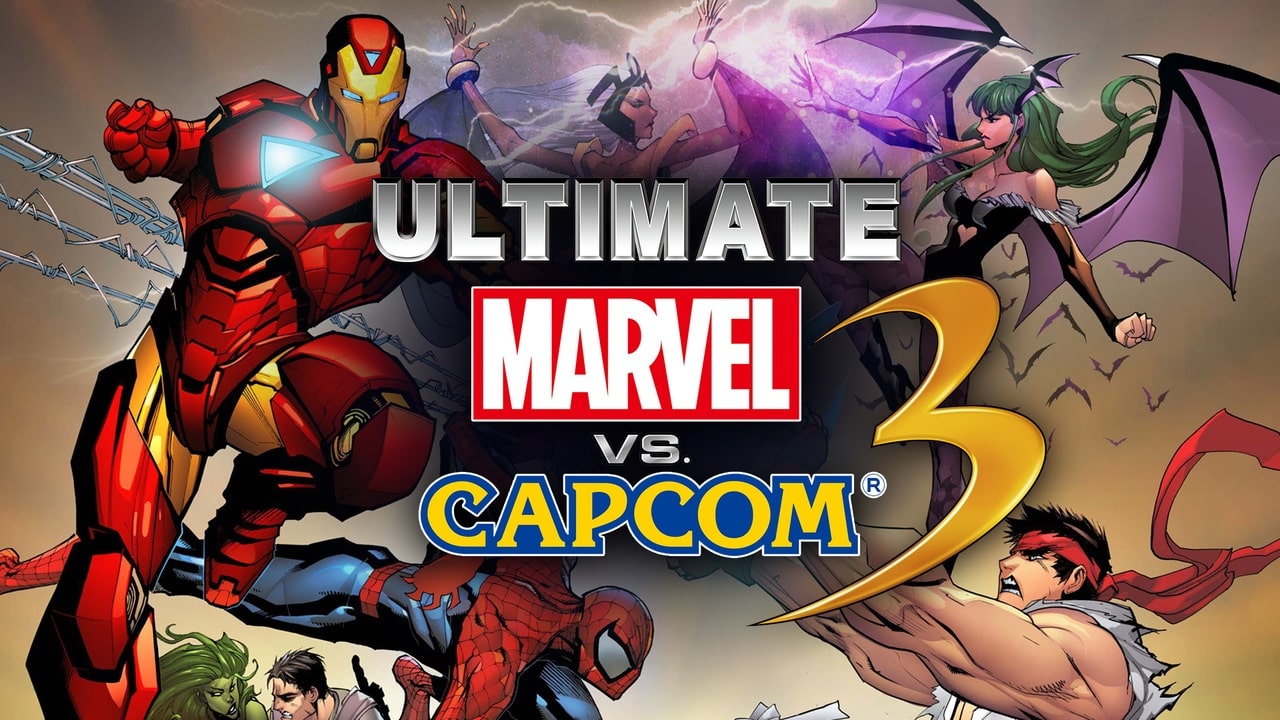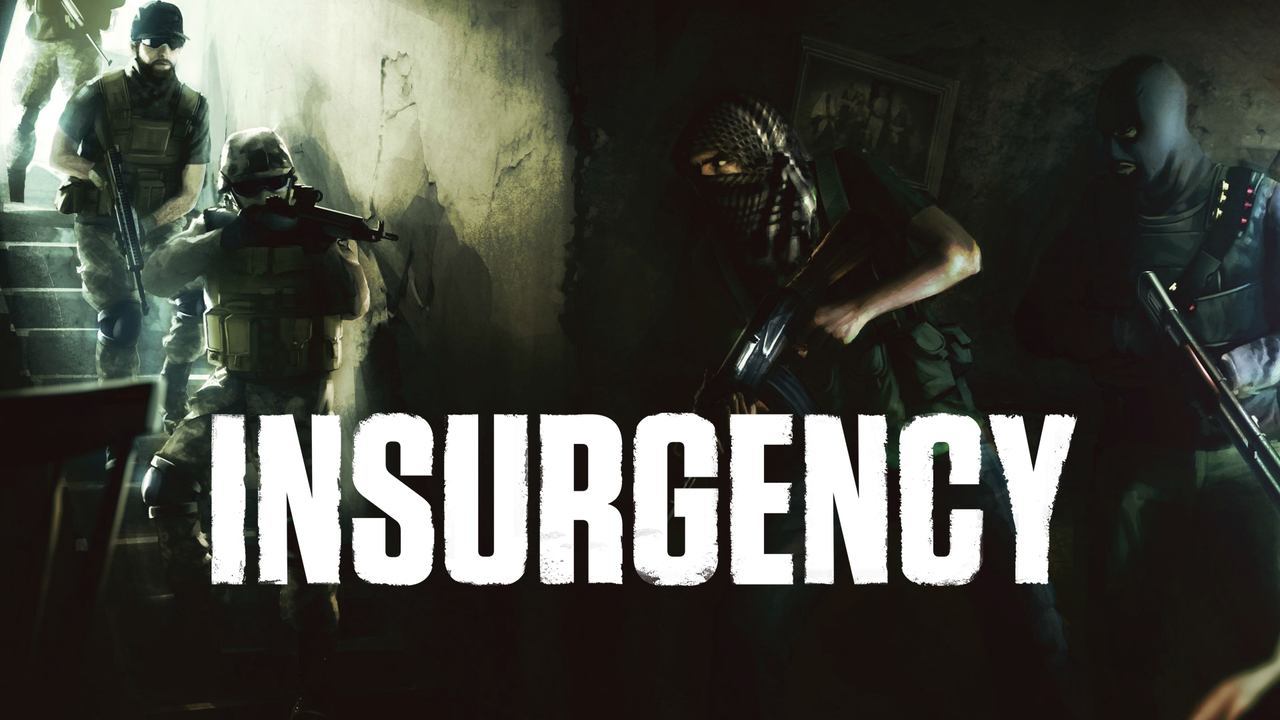
Competitive games prioritize player-versus-player competition and skill-based matchmaking, creating experiences where success depends on outperforming other human opponents through superior strategy, execution, and adaptability rather than simply completing predetermined challenges or defeating AI enemies. These games celebrate the thrill of direct competition and personal improvement, featuring ranking systems, leaderboards, and progression mechanics that allow players to measure their skills against others while climbing through competitive tiers and divisions. Whether engaging in intense one-on-one duels that test individual prowess, participating in team-based competitions where coordination and communication determine victory, competing for high scores in skill-based challenges, or battling through ranked modes that pair players with similarly skilled opponents, competitive games provide the framework for meaningful contests where every match matters. The genre emphasizes fair play through balanced mechanics, anti-cheat systems, and matchmaking algorithms that ensure competitive integrity while providing appropriate challenges for players at every skill level. These games often feature seasonal rankings, tournaments, and competitive events that create ongoing goals and community engagement beyond casual play. Competitive games frequently include detailed statistics tracking, replay systems, and performance analysis tools that help players identify areas for improvement and track their competitive growth over time. These games appeal to players who thrive on direct competition and personal improvement, those who enjoy the social aspects of competitive gaming communities, and anyone seeking the satisfaction that comes from earning victories through skill development and strategic thinking.
 Rated 4.6 out of 5 by our customers1.220,00 reviews
Reviews are compiled from verified review providers