Samurai games take their subject from the warrior class of feudal Japan: the retainers who served a daimyo, fought his wars, carried the katana as a badge of rank and lived under a code that put loyalty and honor ahead of survival. Steam files the tag under theme and mood rather than genre, and that is the right way to read it. It says nothing about how a game plays. A samurai game can be a campaign map where you move ashigaru and mounted retainers across the provinces, a duel decided by the timing of a single parry, a stealth crawl through a castle keep, or a hack and slash that clears a battlefield by the hundred. What the titles here share is the world: the Sengoku era's warring clans, the ronin without a master, the Edo peace and its restless swordsmen, the arquebus arriving alongside the bow, and the weight of bushido pressing on every decision. This shelf gathers the games where that world is the point, for the player who wants feudal Japan and its warriors at the center of the screen rather than as a costume for something else.
The distinction matters because several neighboring collections overlap with this one without meaning the same thing. Ninja is the closest: the shinobi are a separate Steam theme, the spy and infiltrator to the samurai's soldier, and while the two share a period they seldom share a tag unless a game gives real weight to both. Swordplay names a mechanic, blade combat in any setting, so a samurai duel qualifies but so does a Renaissance rapier or a fantasy longsword. Martial Arts is broader still and leans toward the unarmed. Hack and Slash is a genre of melee action, and although plenty of samurai games belong to it, plenty of others are turn-based strategy or slow, deliberate stealth. Historical says a game is grounded in a real past without saying which one; Medieval is Steam's tag for the European Middle Ages and gets applied loosely, but it is not where feudal Japan lives. War and Military describe scale and organized conflict, and Anime describes an art style that some samurai games wear and most do not. Those tags name a mechanic, a style, a genre or a broader setting. Samurai names the subject, and a shopper filtering for it wants to know that the setting and the warriors in it are the substance of the game.
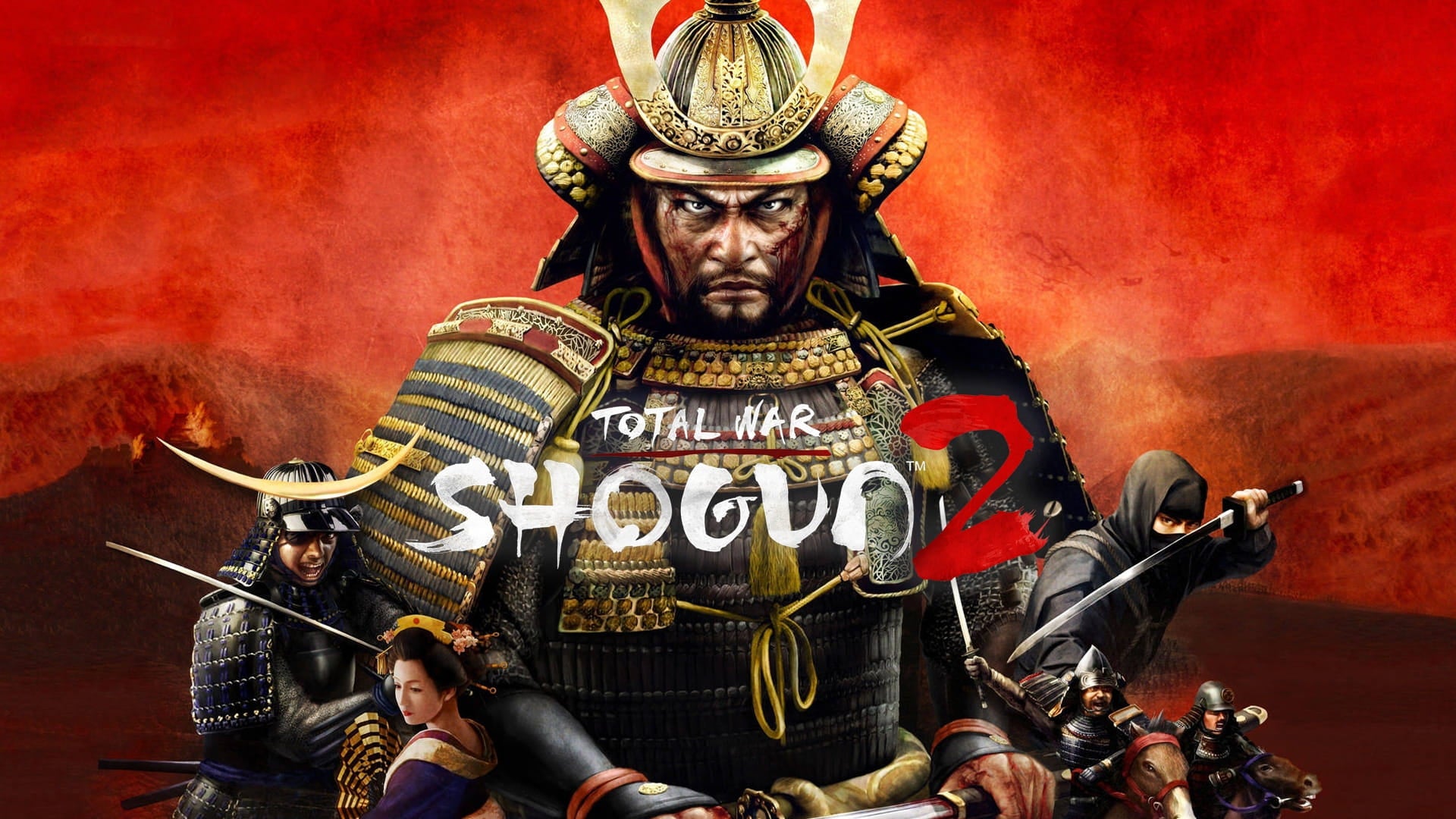
Two strands run through the tag, and it helps to know which one a game belongs to. The first looks at the samurai from above: the clan, the province, the campaign, the daimyo weighing an alliance against a siege. The second looks along the blade: one warrior, one path, one fight at a time, whether that is a grounded story in the manner of Ghost of Tsushima or something like Nioh, where the Sengoku era is a launching point for the supernatural. Total War: SHOGUN 2 is the collection's first member and the clearest case of the first strand. Creative Assembly's 2011 strategy game, published by SEGA and brought to Mac and Linux by Feral Interactive, puts you in the seat of a clan's daimyo in 16th-century Japan, with a turn-based map for economics and diplomacy and real-time land and sea battles when talk runs out; the goal is to reunite the country and take the title of shogun, and Steam players gave it this tag. If the fighting is what draws you, Swordplay and Hack and Slash are the next shelves over, Ninja covers the shinobi side of the same era, and Historical widens the frame to every real past a game has been built around.