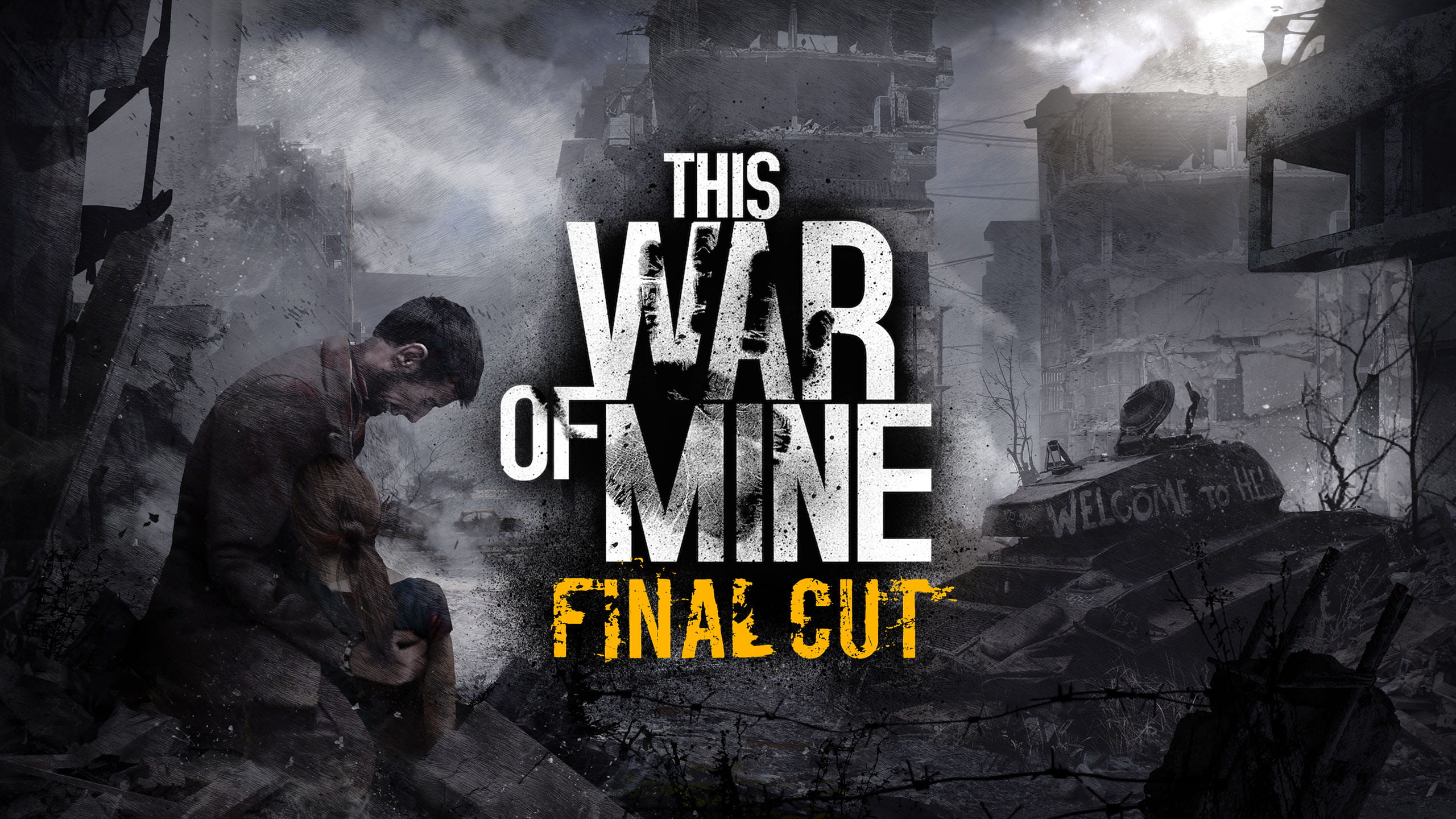
Psychological is a tag about subject matter. It marks games whose real terrain is the inside of somebody's head: what a person believes, what they are willing to do, what the doing costs them, and how reliably they are seeing the world at all. That makes it orthogonal to the play-style labels, which is why it turns up on a survival sim, a walking simulator, a third-person shooter and a detective RPG without meaning anything different in each case. It is worth separating from Psychological Horror, which is a horror subgenre and is defined by what it does to the player. Psychological on its own is defined by what the game is about, and plenty of titles carrying it never try to frighten anyone.
The clearest sign is a mental state promoted to a system. This War of Mine tracks despair alongside hunger and wounds, so robbing an elderly couple is not a moral footnote but a mechanical consequence you will be managing for the rest of the run. Hellblade: Senua's Sacrifice built its whole design around psychosis, with voices that argue in the player's ears and a fixed collaboration with clinicians and people with lived experience behind it. Disco Elysium turns a character sheet into a cast of competing internal voices that interrupt, lie and sulk. Spec Ops: The Line starts as a conventional military shooter and spends its second half taking that framing apart. Elsewhere the tag points at unreliable narration, perception that shifts with the protagonist's state, and environments that are readable as interior landscapes rather than places.
As a filter it is most useful for setting expectations about pace and payoff. These games tend to be slower, more interested in consequence than escalation, and more likely to leave you turning something over afterwards than to hand you a clean win. Ambiguity is usually deliberate. If you want a game that treats guilt, memory, identity or breakdown as the thing being played rather than as decoration, the titles below share that intent whatever genre they otherwise belong to.