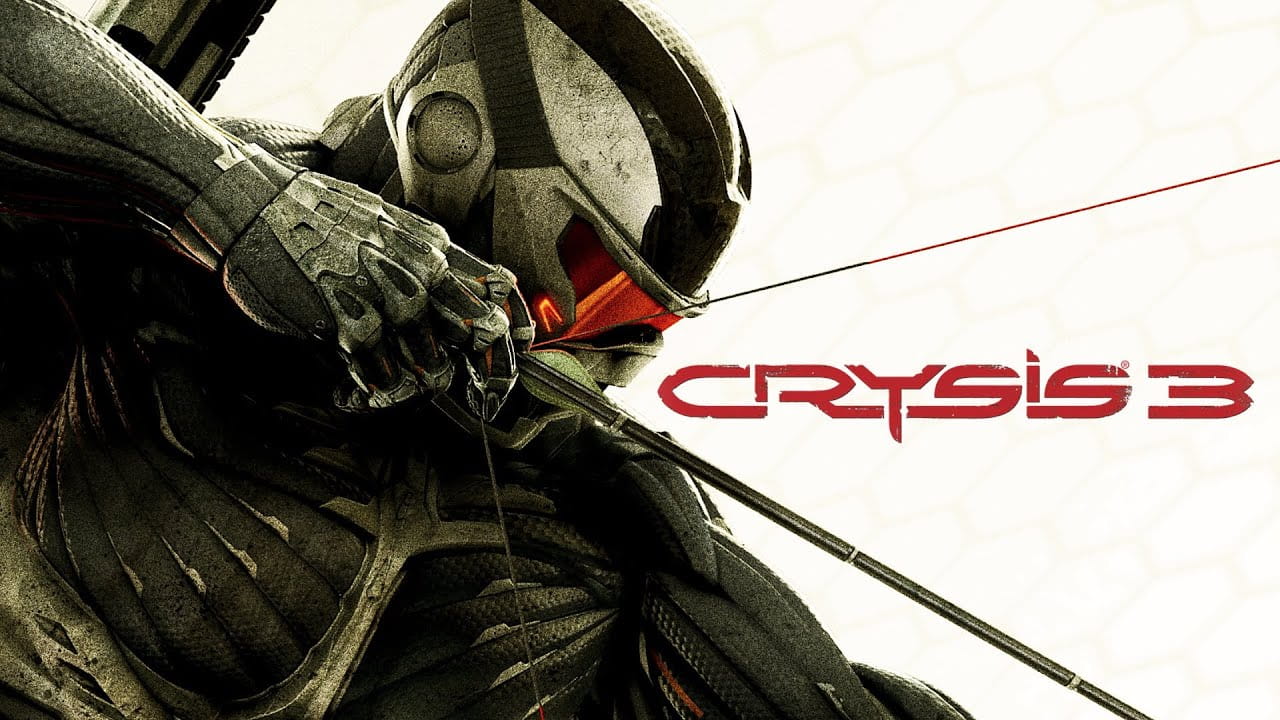
Crytek was founded in 1999 in Coburg, Germany by the brothers Cevat, Avni and Faruk Yerli, and made its name almost immediately with a technology demo that grew into Far Cry, the 2004 open-island shooter published by Ubisoft that showed what a home PC could do with long draw distances, dense jungle and enemies that reacted to the player rather than waiting on a scripted cue. Ubisoft acquired the Far Cry property outright and carried the series forward on its own, while Crytek kept what mattered most to it: the engine. CryEngine became the studio's second product line, licensed to other developers and iterated through every in-house release, and in 2006 the company moved its headquarters to Frankfurt, where it remains. The Crysis series that followed under Electronic Arts turned the engine into a benchmark. Crysis in 2007 gave players a Nanosuit that traded between armour, strength, speed and cloaking on the fly and a rendering load that made "but can it run Crysis" a running joke for years, Crysis Warhead in 2008 revisited the same island from a second soldier's perspective, Crysis 2 in 2011 brought the fight into a collapsing New York, and Crysis 3 in 2013 closed the trilogy with Prophet hunting the Ceph through an overgrown, domed Manhattan.
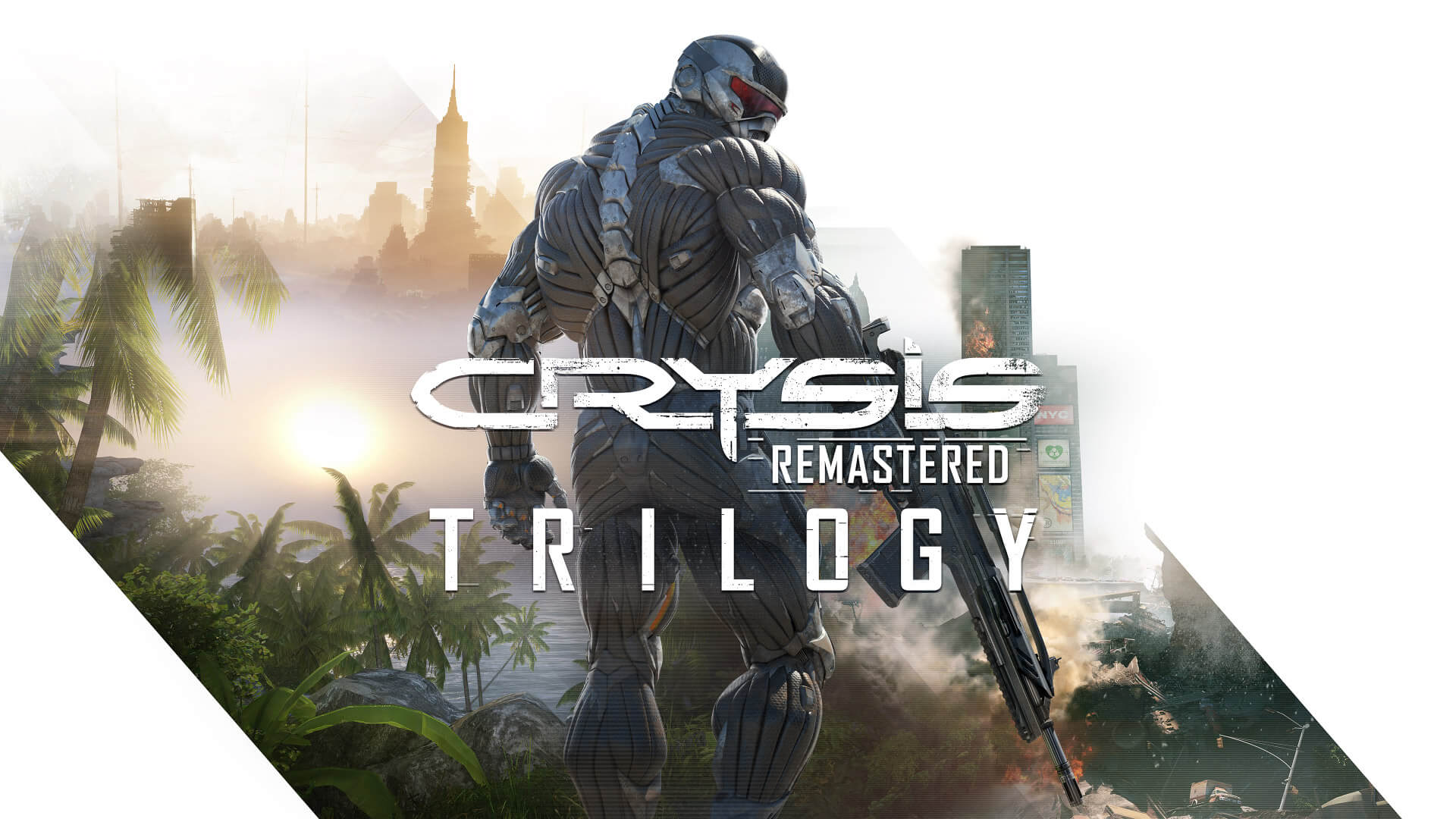
The years around Crysis 3 stretched the company thin. Ryse: Son of Rome launched with the Xbox One in 2013 and reached PC in 2014 as a showcase for CryEngine's character rendering, and the free-to-play shooter Warface built a large audience, but by 2014 Crytek was in visible financial difficulty. Its Nottingham studio and the Homefront: The Revolution project were sold to Deep Silver, and in 2016 the company closed or sold most of its remaining satellite studios to concentrate development in Frankfurt and Kyiv. Cevat Yerli stepped down as chief executive in 2018 and his brothers Avni and Faruk took over management. The studio that emerged from the restructuring is leaner and more focused: Hunt: Showdown, its Louisiana-bayou extraction shooter, grew from early access into a long-running live game and was relaunched as Hunt: Showdown 1896 in 2024, while Crysis Remastered in 2020 and Crysis Remastered Trilogy in 2021 brought the whole series to current hardware with ray tracing and modern resolutions. Crytek remains privately held and based in Frankfurt, still developing on its own CryEngine, and for players the catalogue is a record of a studio that has repeatedly pushed PC hardware harder than anyone else was willing to.