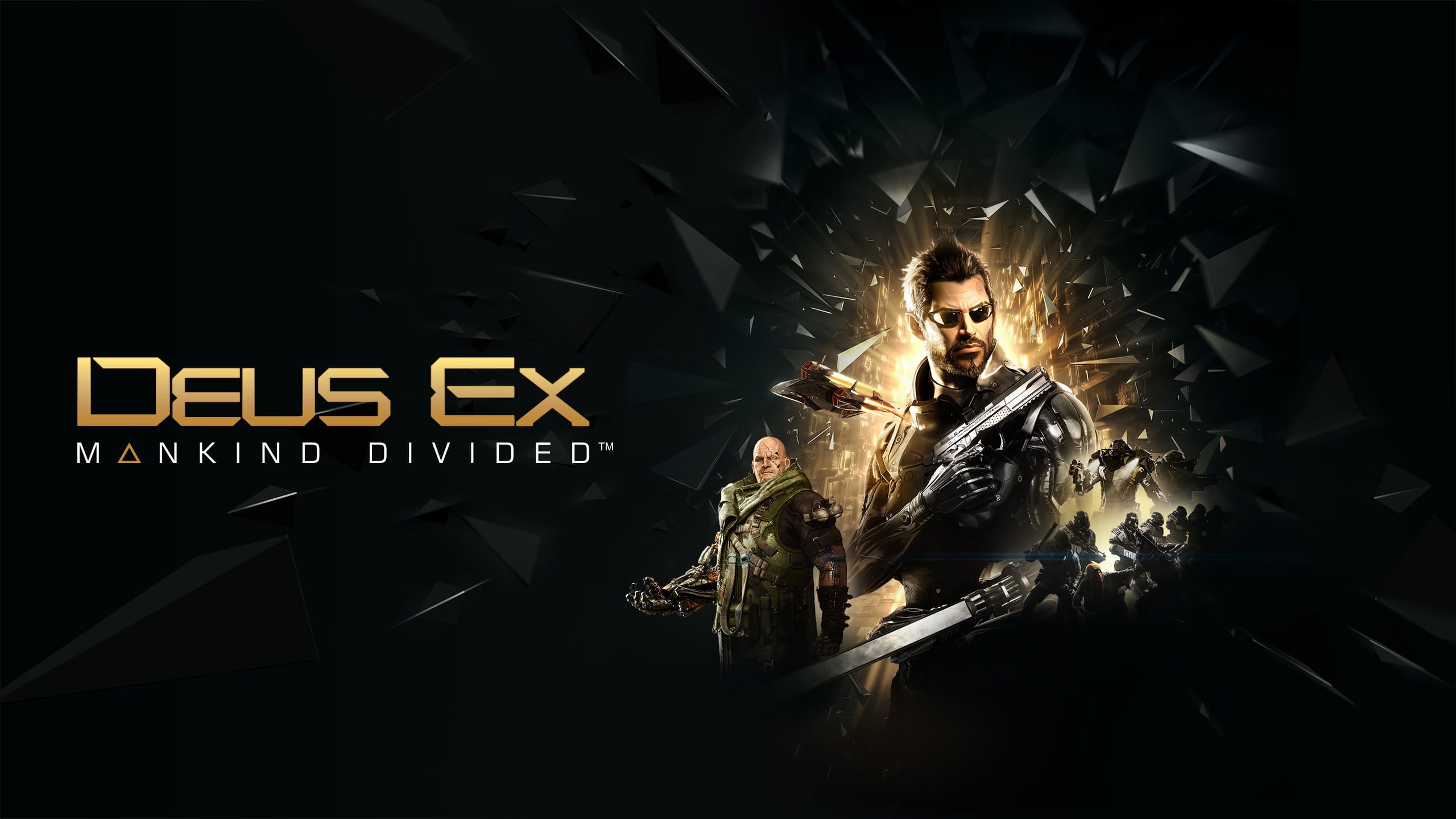
Conspiracy is the story where the visible order turns out to be a front. Somewhere behind the government, the corporation or the agency that gave you your orders sits a smaller group that actually decides things, and the game is the process of finding out who they are, how long they have been at it and how far up the chain it goes. The subject came into games with its paranoia intact from the thrillers and secret-history novels that shaped it, and the title that set the template is Ion Storm's Deus Ex from 2000, which sent agent JC Denton from a routine counter-terrorism assignment into a layered scheme of shadow governments and secret societies, each reveal reframing the one before it. Metal Gear Solid 2: Sons of Liberty in 2001 pushed the idea until the player's own mission was revealed as part of the plot, and the Assassin's Creed series built a franchise on a centuries-long war between two hidden orders fought underneath recorded history. The first title in this collection, Deus Ex: Mankind Divided from 2016, carries the tradition forward to 2029, where Adam Jensen's investigation of terror attacks pinned on the augmented community turns out to be the thin surface of a scheme to control the future of mankind.
The hallmarks are consistent across the form. The truth arrives in layers, so the person you answer to in the first hour is rarely the person pulling the strings in the last, and the scale keeps widening from a single crime to an organization to the people who own the organization. Trust is treated as a decision rather than a given: allies have agendas, briefings omit things, and the game will often ask you outright who to believe when two accounts of the same event cannot both be true. The texture is documentary. Intercepted emails, hacked terminals, memos left on desks and conversations overheard through a vent are how the network is mapped, which is why the subject pairs so naturally with stealth and infiltration. What separates a good conspiracy game from a merely competent one is whether the reveals recontextualize what you have already done or simply arrive as a twist at the end. The best examples keep the network specific and plausible, with named people who want particular things, and let the player feel the ground shift under a mission they thought they understood; the weakest connect everything to everything until nothing means anything, and the reveal lands as a shrug.
This collection gathers the titles in our catalog that carry the Conspiracy tag. It is a subject tag rather than a genre, so a conspiracy game can be a shooter, an RPG, a stealth game or an adventure, and most of these titles sit in our Story Rich collection as well, with many in Choices Matter, because who you trust is usually something you decide rather than discover. It is worth separating from its neighbors. Our Mystery collection is a puzzle to be solved, often a single crime or event, with no hidden power structure required; Investigation and Detective name the mechanics of gathering and weighing evidence; Thriller names pacing and tension; and in our Dystopian collection the oppressive order is out in the open rather than hidden behind the one you can see. What qualifies a game here is that the story turns on a concealed network of power, and that uncovering it, piece by piece, is the point. If you want the moment where the mission you were given turns out to be the cover story, start here.