Capcom Vancouver began life in 2005 as Blue Castle Games, an independent studio in Burnaby, British Columbia that first made its name in an unlikely genre — licensed baseball. Its early catalogue of sports titles for 2K Sports, including The Bigs and its sequel, demonstrated a knack for readable action and technical polish that caught Capcom's attention when the Japanese publisher went looking for a Western partner to carry its zombie flagship forward. The result was Dead Rising 2 in 2010, which moved the series from Willamette's mall to the casino floors of Fortune City and proved a Canadian sports studio could inherit one of Capcom's most distinctive franchises without losing its slapstick heart. Capcom acquired the studio outright in September 2010, just before the game shipped, and rebranded it Capcom Game Studio Vancouver — Capcom Vancouver to almost everyone.
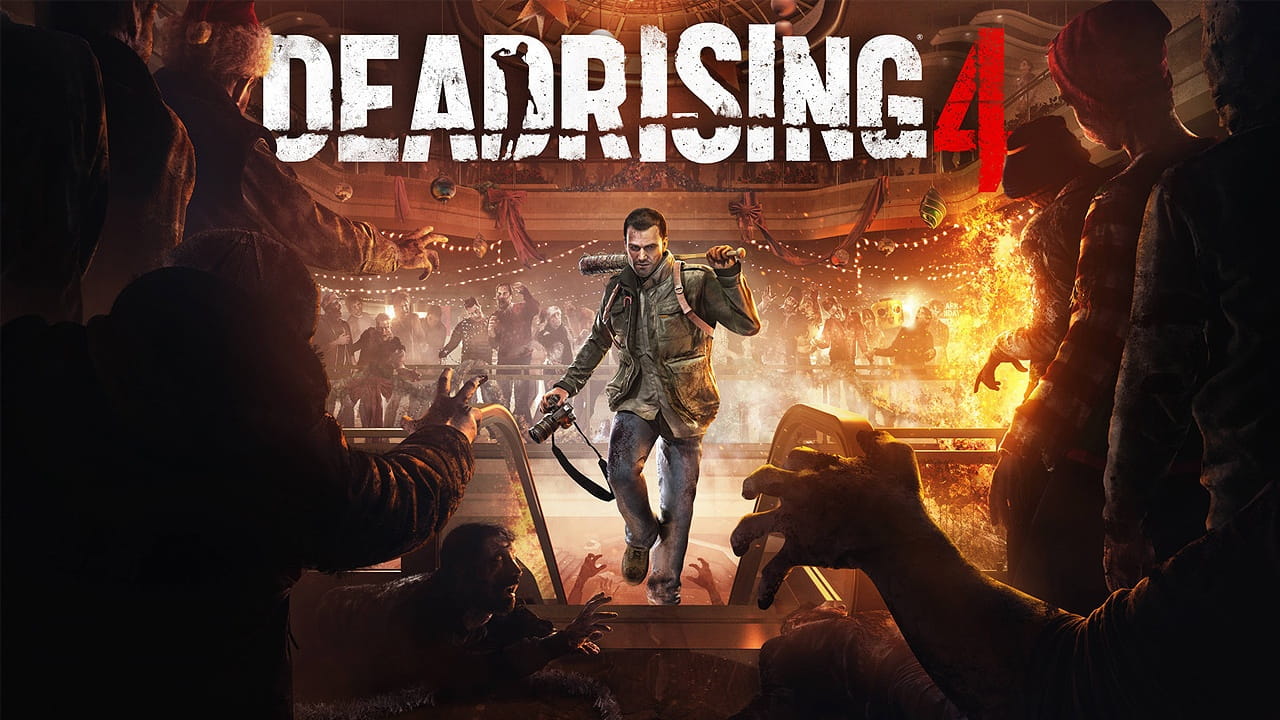
For the rest of the decade the studio effectively became the home of Dead Rising. It followed Dead Rising 2 with the same year's standalone reimagining Off the Record, pushed the series into a new console generation with Dead Rising 3 — an Xbox One launch title notable for rendering vastly denser zombie hordes than its predecessors — and closed the loop in 2016 with Dead Rising 4, which brought original hero Frank West back to a holiday-season Willamette with combo vehicles and exo suits in tow. Capcom announced the studio's closure in September 2018, consolidating development back to Japan and leaving unannounced projects unfinished. Its four Dead Rising releases remain the franchise's Western era in full — irreverent, systems-heavy sandboxes whose combo-weapon absurdity still defines what most players picture when they hear the series' name.