Bandai Namco is the product of two very different companies. Namco began in 1955 when Masaya Nakamura founded Nakamura Manufacturing to run a pair of mechanical horse rides on a Yokohama department-store roof, and over the following decades it grew into one of the defining arcade houses of the golden age - Galaxian in 1979, Pac-Man in 1980 (designed by Toru Iwatani and still the most recognisable video-game character ever made), then Galaga, Dig Dug, Pole Position and Xevious in quick succession. Namco's home-console business built on that catalogue, and the 1990s brought the two series that anchor its modern identity: the Ridge Racer arcade racers and Tekken, the 3D fighter that launched in arcades in 1994 and became a PlayStation cornerstone. Bandai, founded in Tokyo in 1950 by Naoharu Yamashina, came from the toy side - Gundam model kits, Power Rangers figures, Tamagotchi - and its games arm was built around those licences, from Dragon Ball and Digimon to Mobile Suit Gundam.
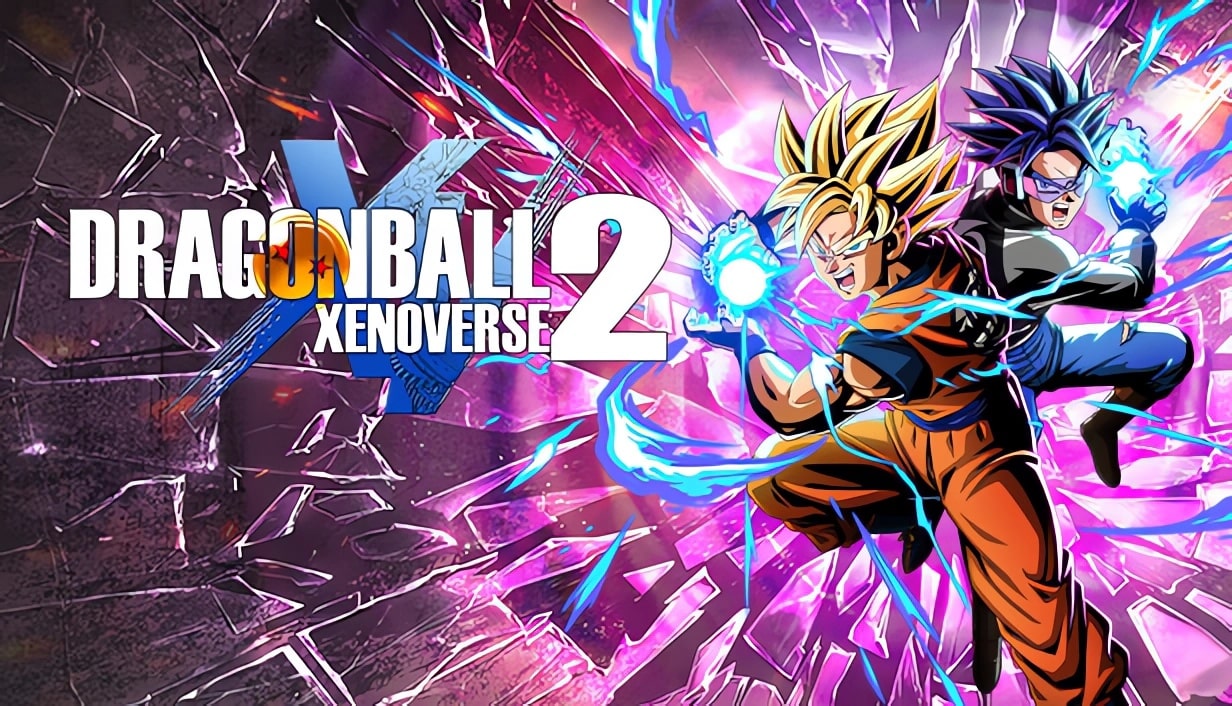
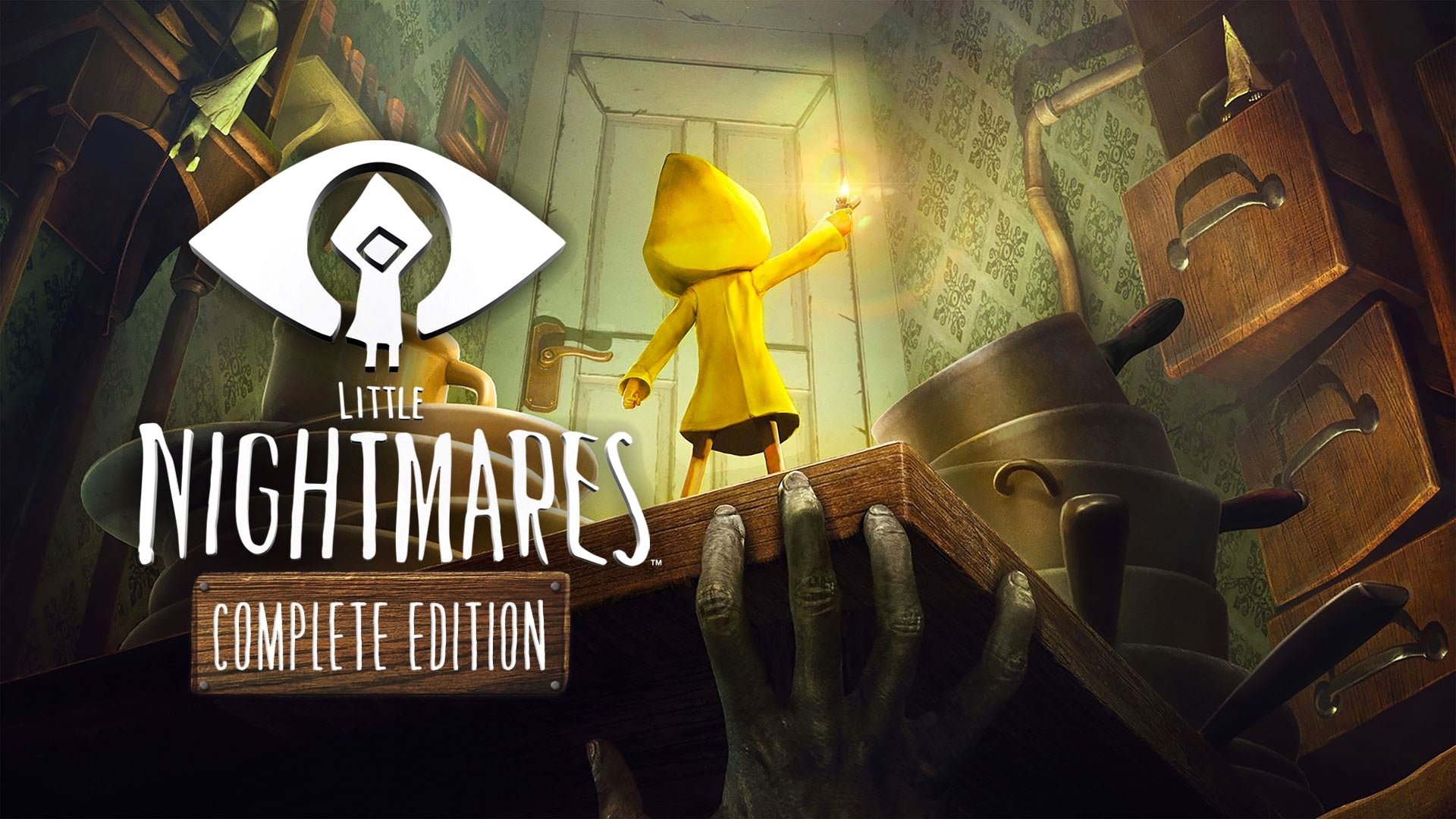
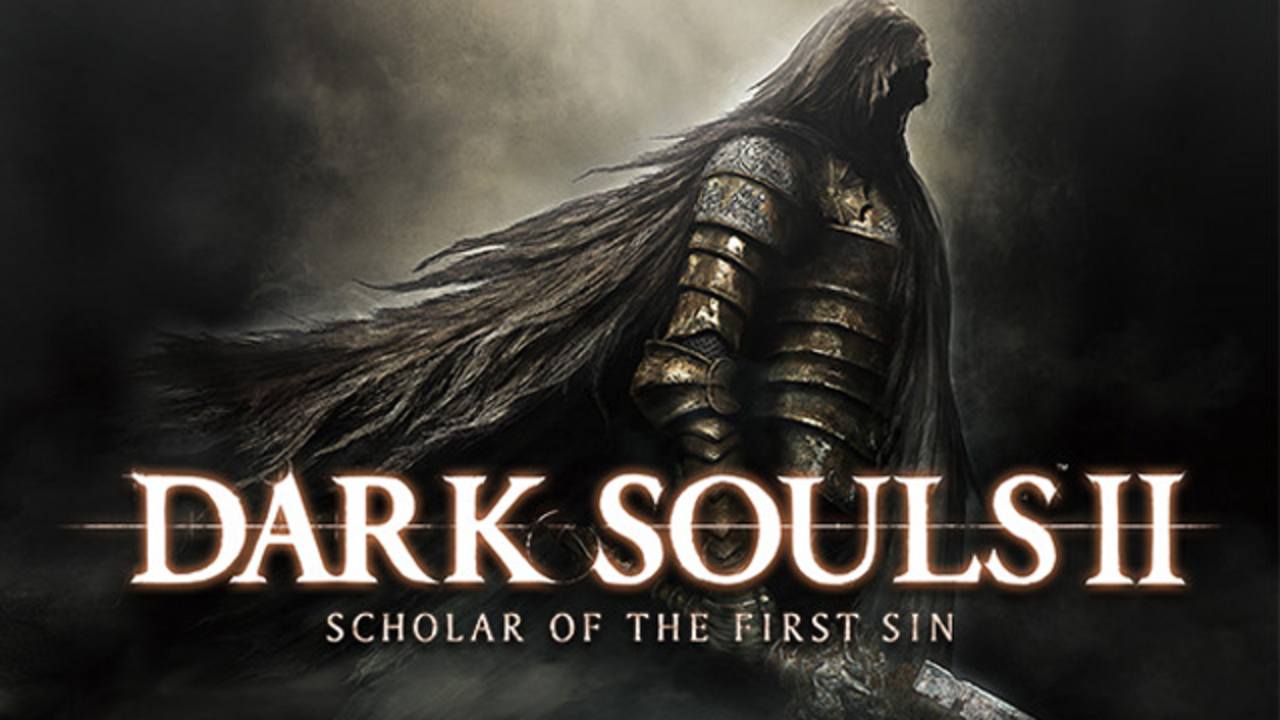
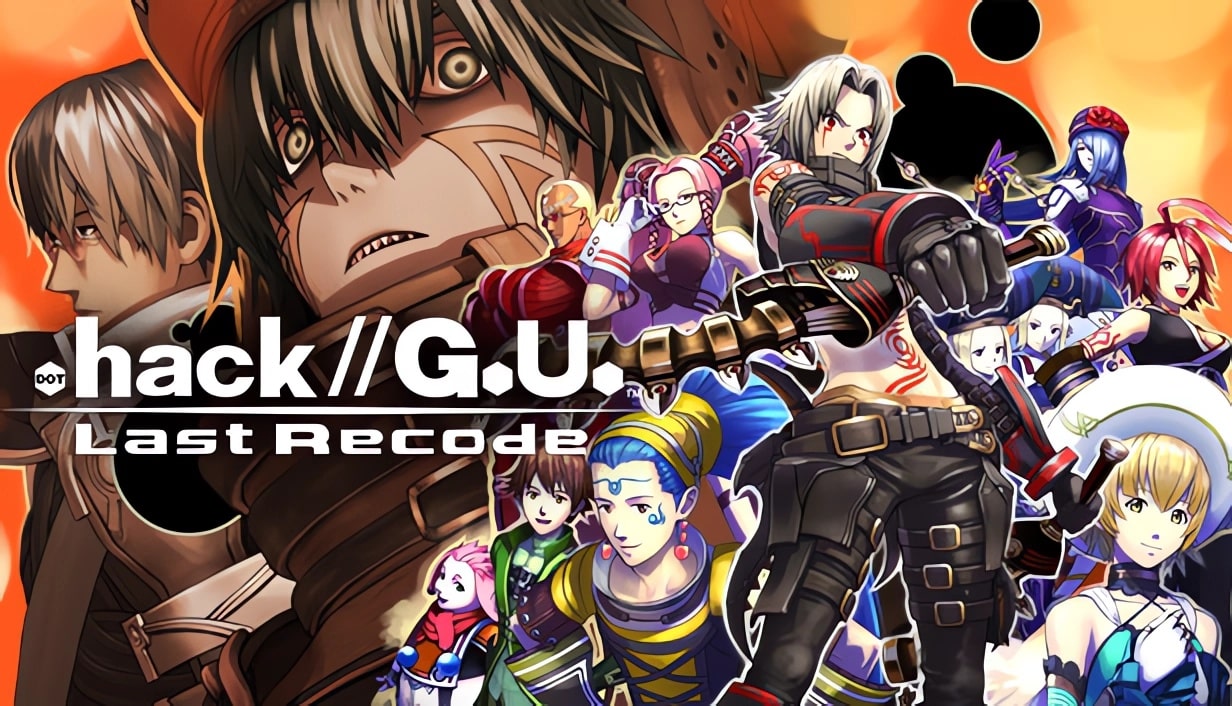
The two merged in 2005 to form Bandai Namco Holdings, with Bandai Namco Games (renamed Bandai Namco Entertainment in 2015) as the publishing arm and Bandai Namco Studios spun out in 2012 as the internal development house. The combined company is now one of the largest Japanese publishers, with a catalogue that spans its own series - Tekken, Ace Combat, Soulcalibur, Tales, Ridge Racer, Pac-Man and Katamari - alongside a long run of acclaimed partnerships: FromSoftware's Dark Souls trilogy and Elden Ring, CyberConnect2's Naruto and .hack games, Arc System Works' Dragon Ball FighterZ, Tarsier's Little Nightmares and Dimps' Dragon Ball Xenoverse. Headquartered in Minato, Tokyo, with a long-standing Western publishing presence through Bandai Namco Entertainment America and Europe, the company remains one of the few whose back catalogue reaches from the first arcade boom to today's biggest releases - which is why so much of it is still worth playing.