Visceral Games spent its entire existence inside Electronic Arts, beginning life in 1998 as EA Redwood Shores when the publisher relocated its headquarters from San Mateo to the Redwood Shores district of Redwood City, California. The studio's debut was Future Cop: LAPD that same year, but for most of its first decade it served as one of EA's dependable licensed-property workhorses, producing Tiger Woods PGA Tour entries from 1999 through 2006, a run of James Bond 007 titles between 2001 and 2005, and a 2006 open-world adaptation of The Godfather. That reputation changed under Glen Schofield, the studio's Vice President and General Manager, who pushed the team toward original intellectual property and delivered Dead Space in 2008, a science fiction survival horror game that turned a derelict mining ship, strategic dismemberment and a wordless engineer named Isaac Clarke into one of the most respected new franchises of its console generation. The critical reception was strong enough that in 2009 EA renamed the team Visceral Games and moved it out of the EA Games label to stand as its own division, the company's first studio organized around a genre rather than a product line.
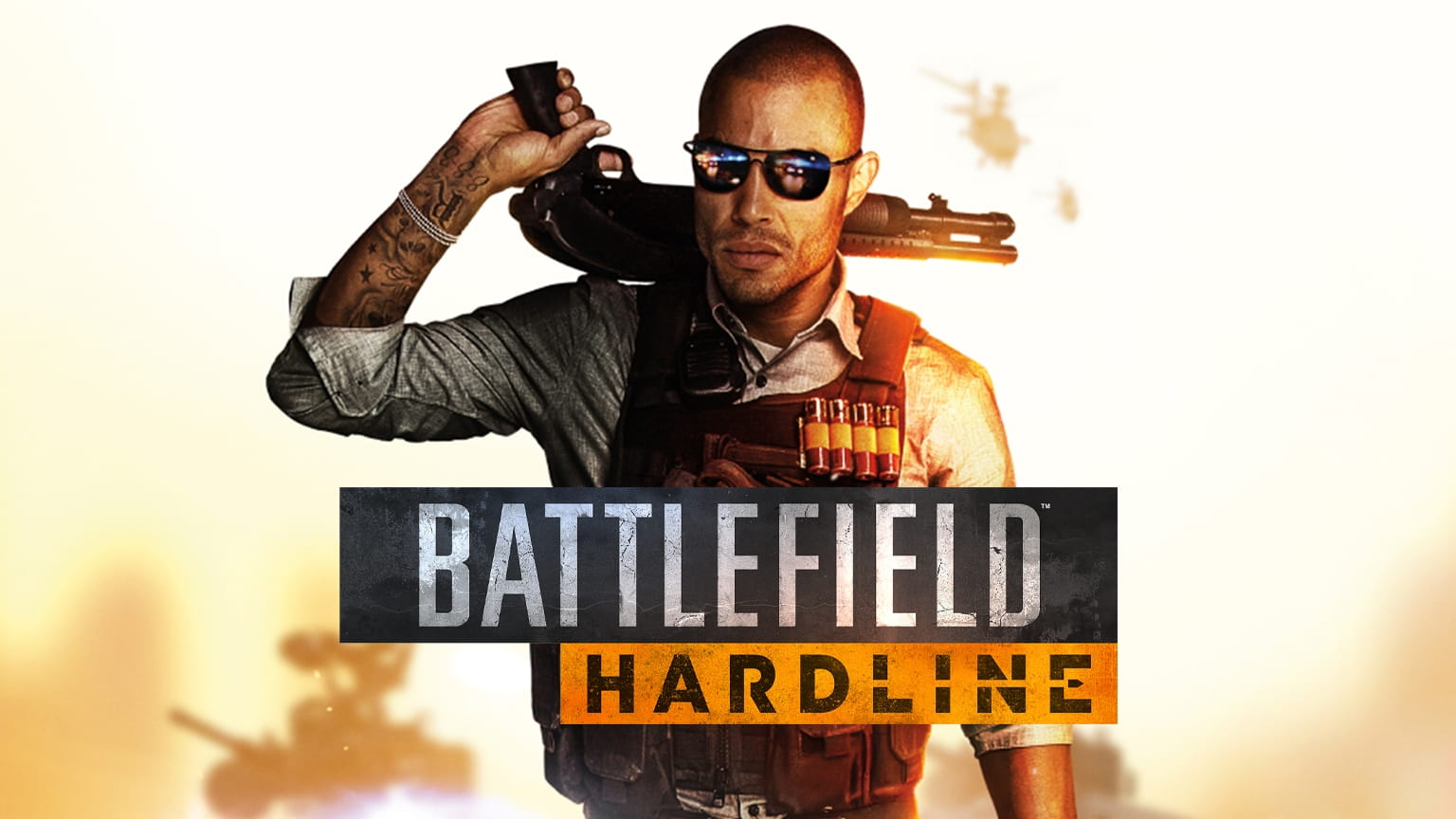
The Visceral years produced a compact but distinctive catalog: Dead Space Extraction and The Godfather II in 2009, Dante's Inferno in 2010, Dead Space 2 in 2011, and in 2013 both Dead Space 3 and Army of Two: The Devil's Cartel, the latter built with the Visceral Montreal satellite. Two supporting studios opened in 2009 and closed within a few years, Visceral Melbourne on September 19, 2011 and Visceral Montreal on February 21, 2013, as EA consolidated its development footprint. From 2013 the main studio took on two large projects at once. The first was Battlefield Hardline, a cops-and-robbers reinterpretation of DICE's military shooter developed with the Swedish studio on its Frostbite engine, which shipped in March 2015 with a heist-driven campaign and a police-versus-criminals multiplayer suite. The second was a Star Wars action-adventure codenamed Ragtag, led by creative director Amy Hennig, the writer behind the first three Uncharted games, who joined in 2013 to build a character-driven heist story in that universe. EA closed Visceral Games on October 17, 2017, when it employed roughly 80 people, stating that the Star Wars project's design needed to change direction and transferring it to EA Worldwide Studios. For players today the studio's name still signals a particular blend of cinematic pacing, mechanical precision and willingness to take an established series somewhere unexpected, and this collection gathers every Visceral-developed title we carry, starting with Battlefield Hardline for PC on the EA app.