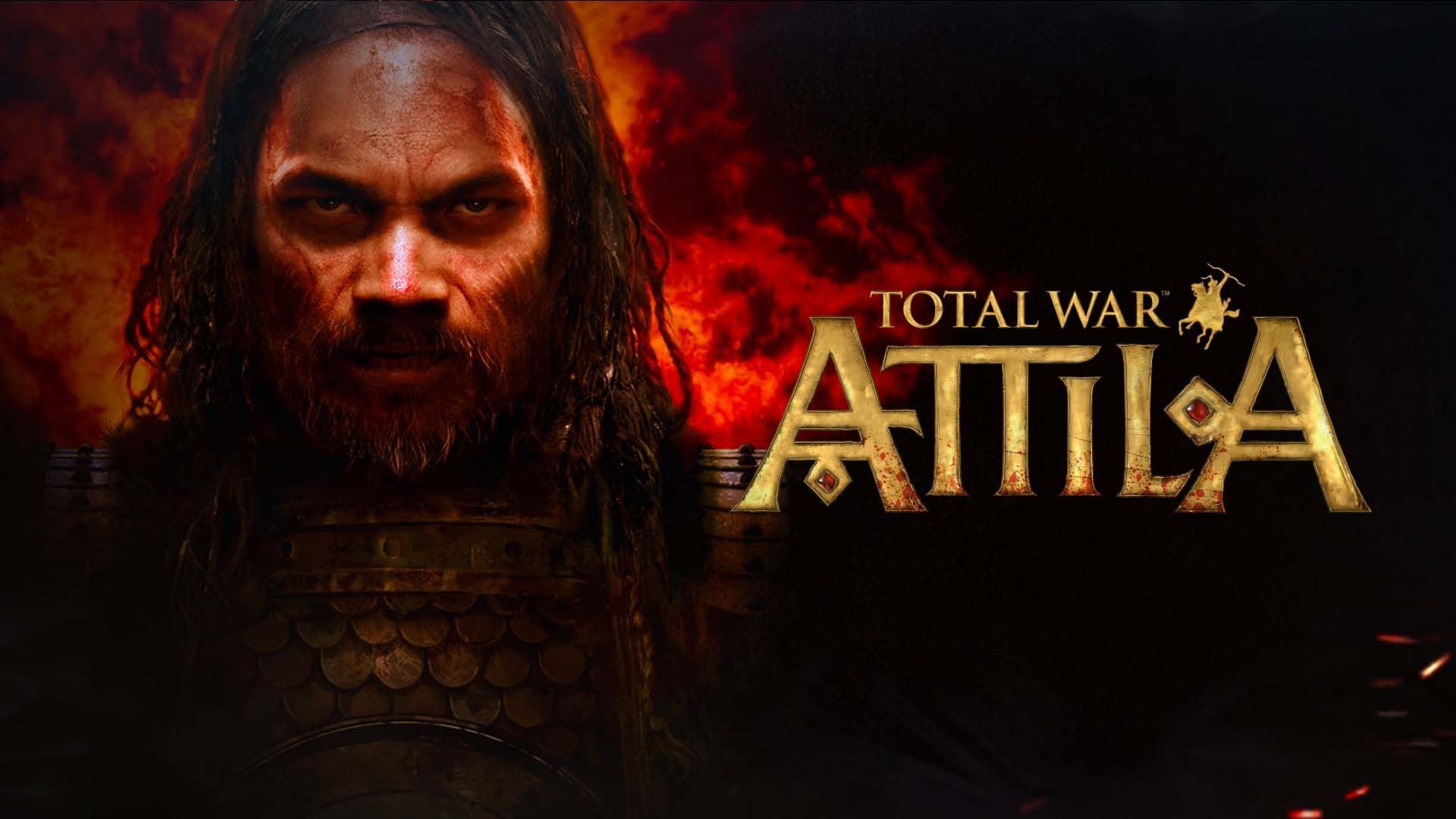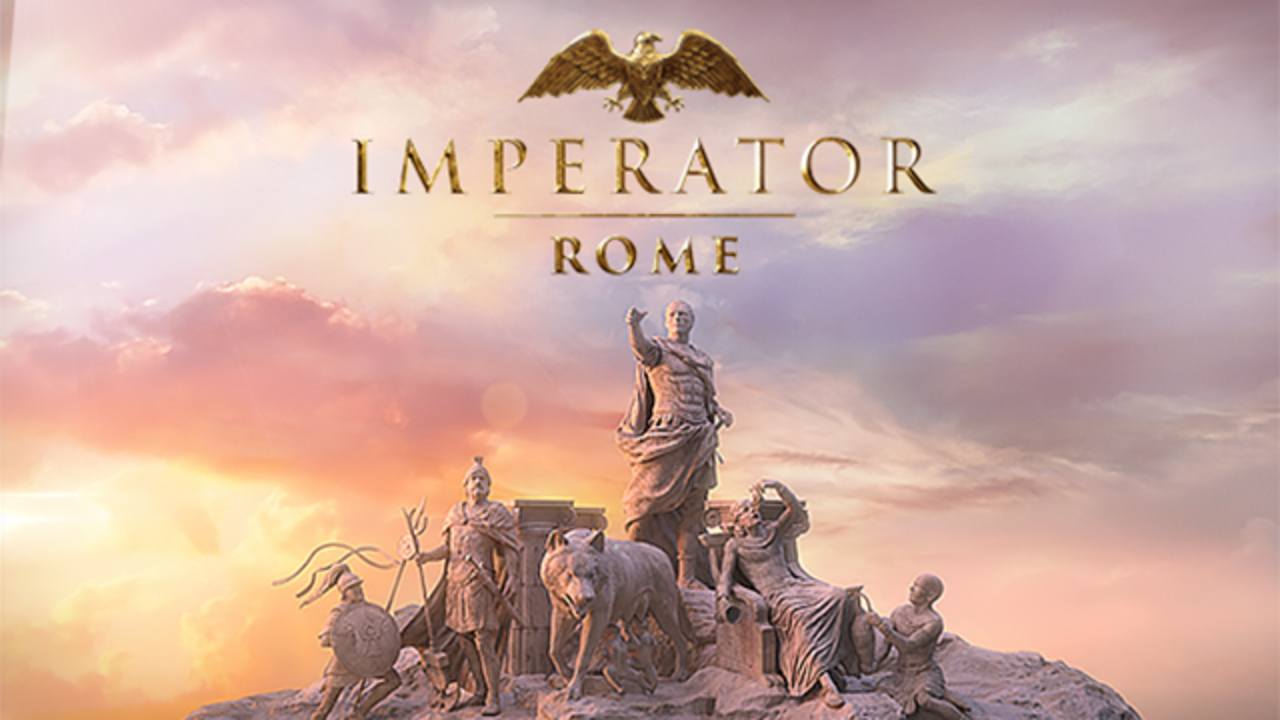
Rome is one of the oldest settings in strategy gaming and one of the most durable. The tag covers games set anywhere in the Roman world, from the early Republic and the Punic Wars through the Caesars to the empire's fifth-century collapse: grand campaigns where you manage legions and provinces, real-time battles fought with pila and shield walls, city builders shaped by aqueducts and grain, and story-driven games that put you in the sandals of a single citizen, soldier or gladiator.
Strategy dominates the category for good reason. Rome offers a ready-made map of rivals with distinct ways of fighting, a political system that punishes overreach, and a thousand years of documented campaigns to draw on, which is why the Total War series, the Caesar and Imperator lineages and countless wargames keep returning to it. Games set late in the period lean into decline rather than expansion: holding a frontier against migrating tribes, keeping restless provinces fed, and deciding which parts of an empire are worth saving.
What makes the setting work is how much of it players already carry in their heads. Legionaries, triremes, senators and barbarians at the gates need no introduction, so a Rome game can spend its effort on systems rather than exposition. Expect authentic unit rosters, period technology and religion, and campaigns that reward patience, logistics and a willingness to lose a battle to win the war.