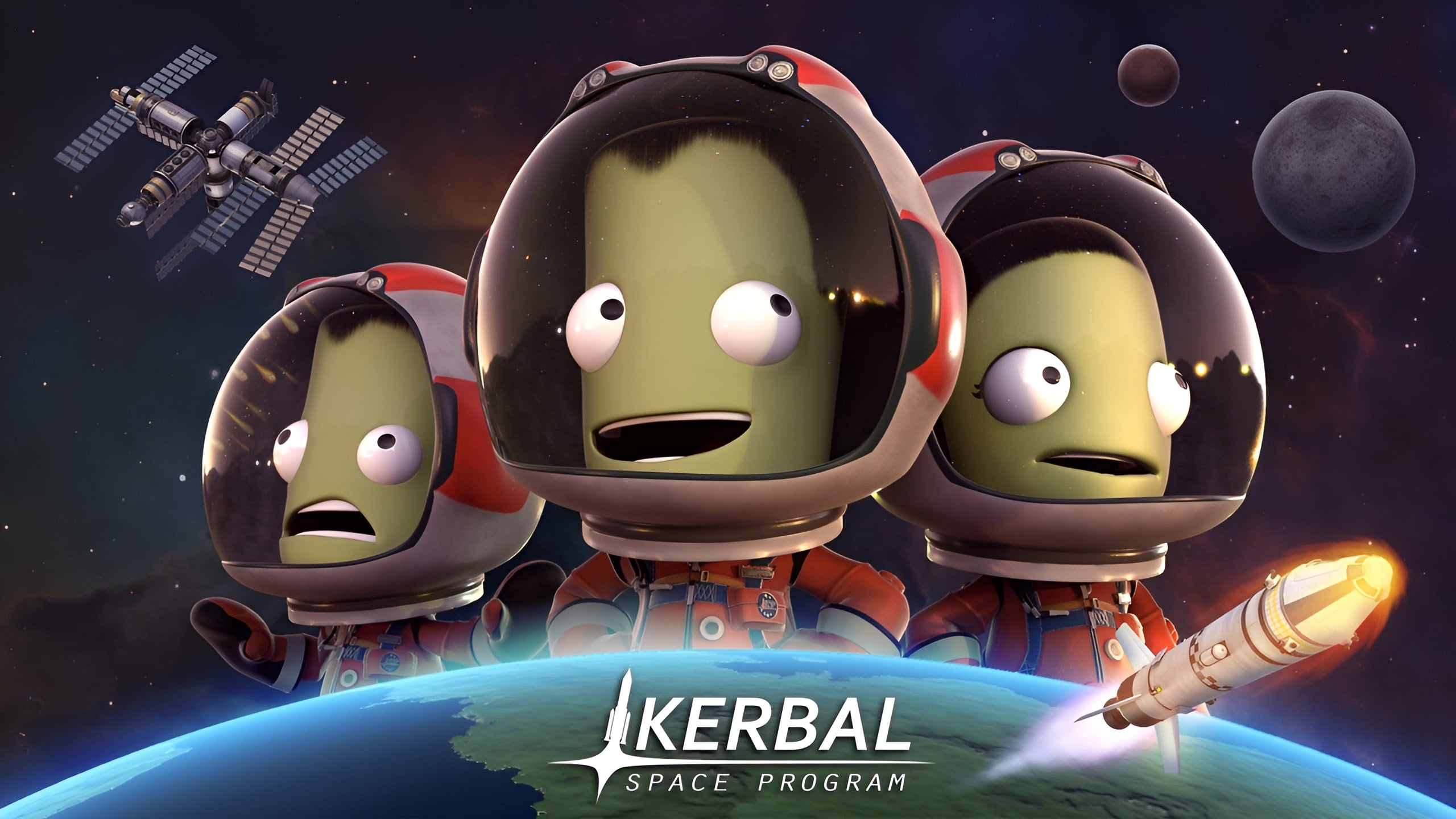
Physics games utilize realistic or exaggerated physics simulation as a core gameplay mechanic, creating experiences where understanding physical principles like gravity, momentum, leverage, and material properties becomes essential for solving puzzles, achieving objectives, or simply enjoying the satisfying behavior of virtual objects. These games celebrate the beauty and complexity of physical interactions by making physics simulation a central element rather than mere background technology, requiring players to think like engineers, scientists, or inventors to succeed. Whether constructing elaborate contraptions that rely on accurate physics to function properly, solving puzzles that require understanding of balance, trajectory, and force distribution, experimenting with realistic fluid dynamics and particle systems, or simply enjoying sandbox experiences where realistic object behavior creates emergent gameplay possibilities, physics games demonstrate the entertainment potential of accurate scientific simulation. The genre emphasizes the intellectual satisfaction that emerges when virtual objects behave exactly as real-world physics would predict, creating predictable yet complex systems where small changes can have dramatic cascading effects. These games often feature realistic collision detection, accurate gravity simulation, and material properties that affect how objects interact, break, bounce, or flow in believable ways. Physics games frequently include construction tools, experimentation modes, and creative challenges that encourage players to explore the boundaries and possibilities of simulated physical systems. These games appeal to players who enjoy problem-solving through scientific principles, those who appreciate realistic simulation and accurate system modeling, and anyone fascinated by the complex interactions that emerge when virtual worlds follow real-world physical laws.
 Rated 4.6 out of 5 by our customers1,220 reviews
Reviews are compiled from verified review providers