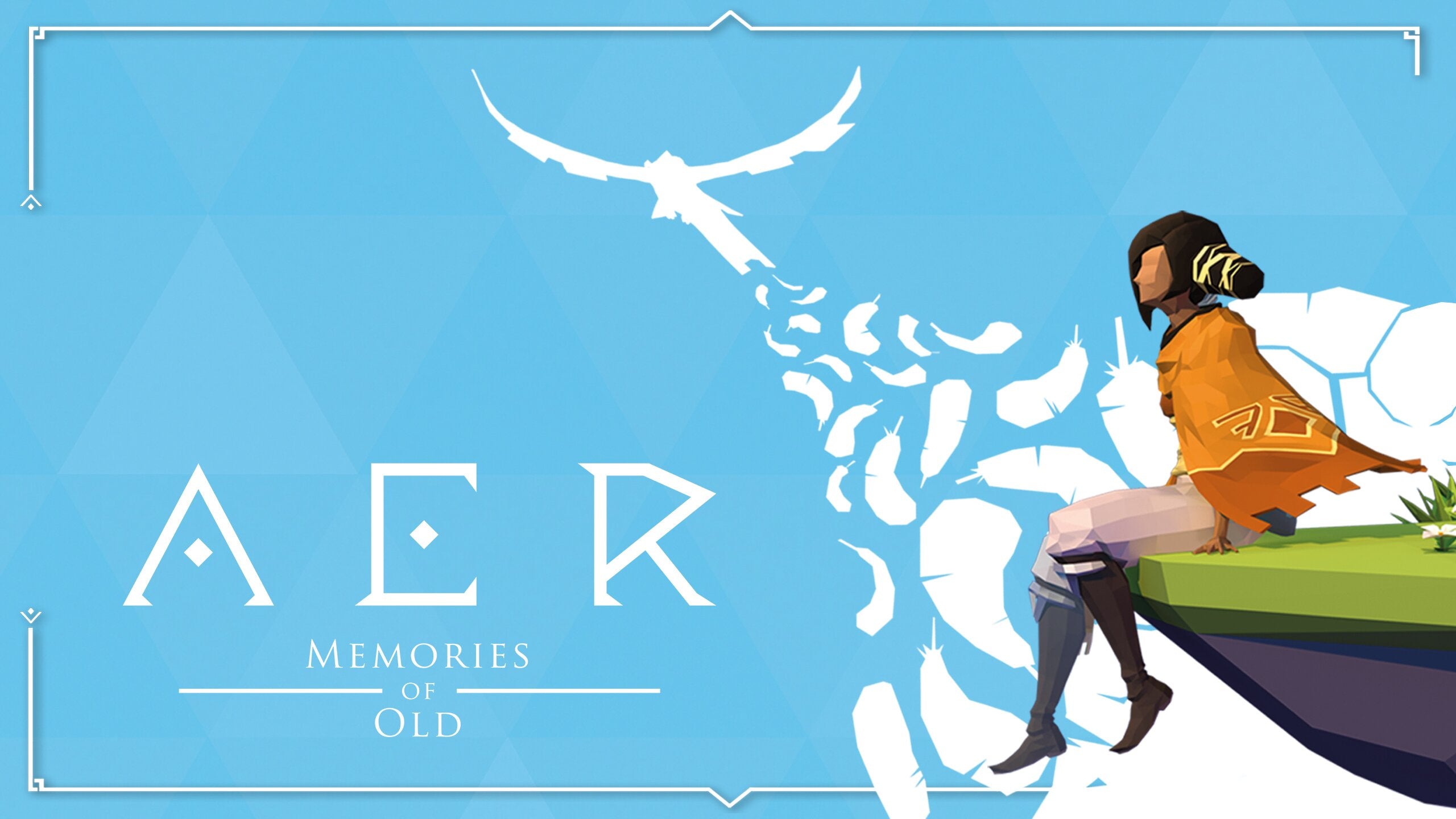
Forgotten Key was an independent studio based in Karlshamn, on the southern coast of Sweden, that spent seven years on a single idea: atmospheric adventures built around ambiance and feeling rather than combat or challenge. Over that span the team grew from four people to fourteen, and nearly all of that effort went into one game. AER - Memories of Old, published by Daedalic Entertainment, arrived on October 25, 2017 for Windows, Mac, Linux, PlayStation 4 and Xbox One after five years in development, with a Nintendo Switch version following on August 28, 2019. It is a third-person exploration game in which you play Auk, a pilgrim girl who can shapeshift into a bird and fly freely between floating islands, landing to walk through abandoned shrines and piece together what shattered the world below. The low-poly art direction, the soundtrack and the sense of open flight earned it a Best Indie Game nomination at Gamescom 2017, and reviewers who admired those qualities also noted how brief and gentle the journey is, which settled the game at a warm but mixed 69 to 73 on Metacritic across its platforms.
In January 2019 studio head Robin Hjelte announced on Medium that Forgotten Key was closing. He pointed to market conditions, mistakes in prioritization, and the strain of running a commercial business while trying to do genuinely creative work. The wind-down was handled with unusual care for the games themselves: several unreleased prototypes were put on itch.io for free, and Hjelte wrote that the team's main concern was "to find good homes for the worlds we have built," with the hope that AER - Memories of Old would remain available on every platform it launched on indefinitely. That hope has held, and it is why the catalog still matters. Forgotten Key never got a second commercial release, so AER is the whole of what the studio had to say, an unhurried few hours of flight and quiet discovery from a team that chose atmosphere over scale. For players who value that kind of game, it is worth the time, and buying it now is also the simplest way to keep a small Swedish studio's one finished world in circulation.