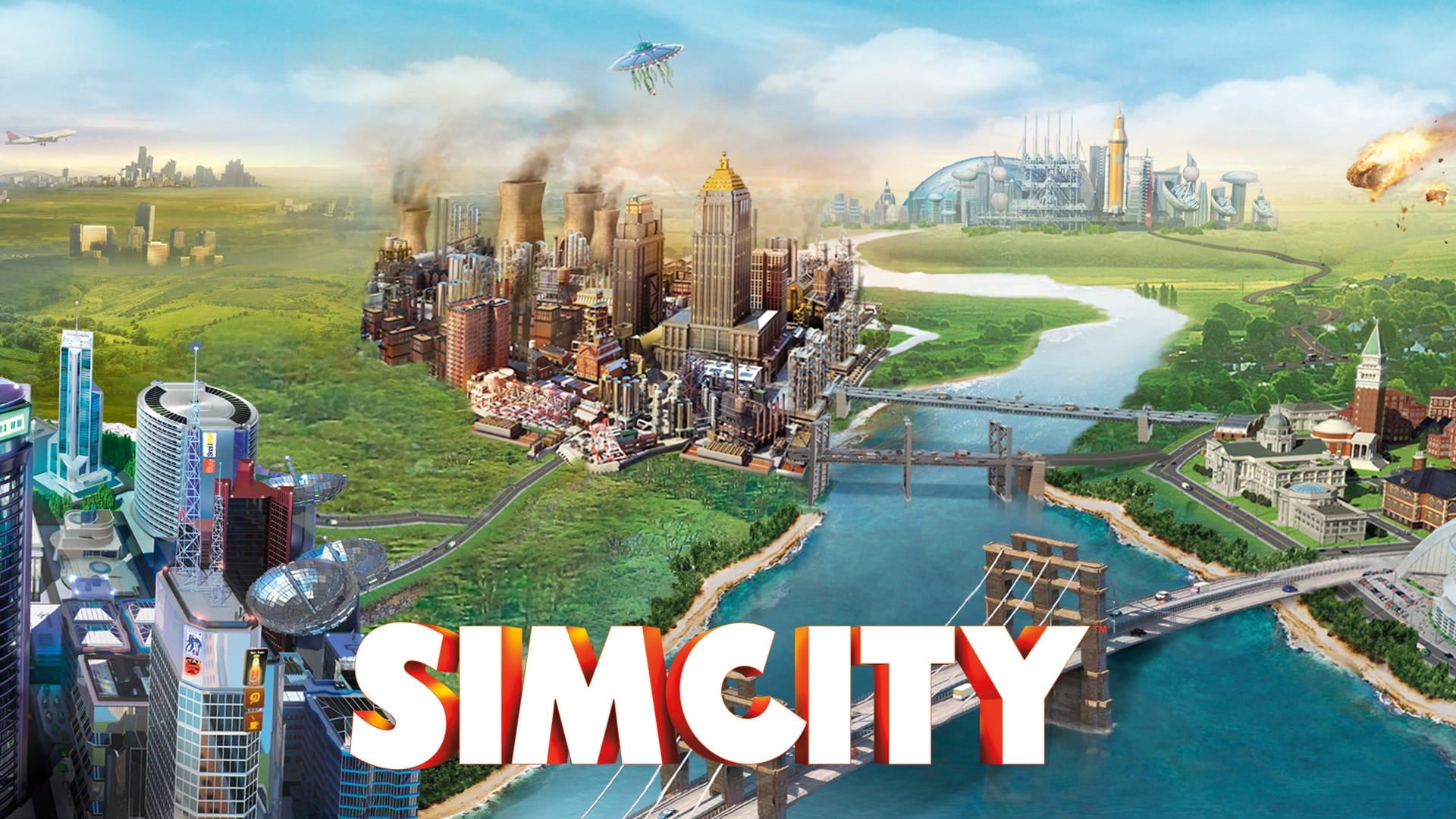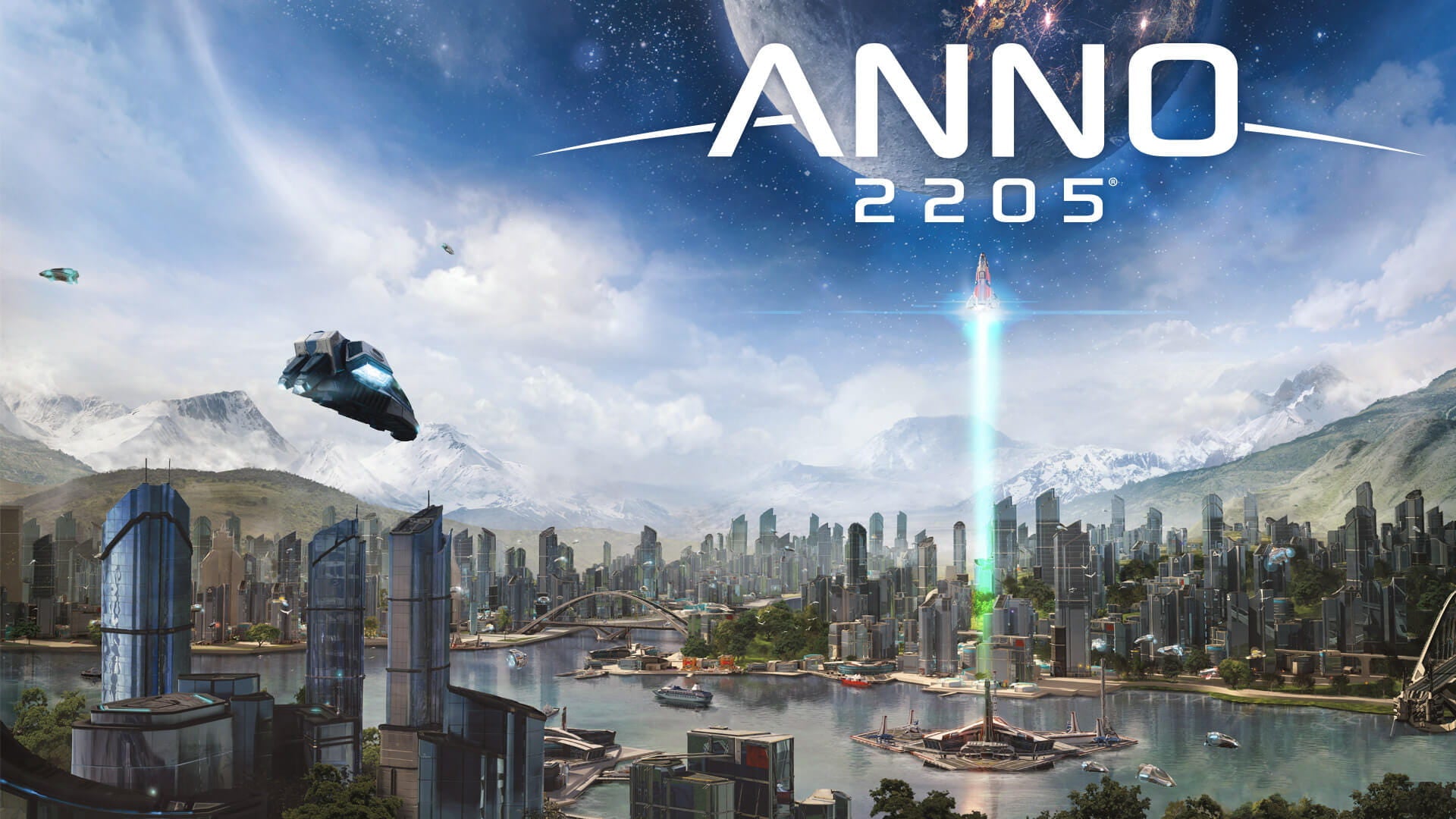
Economy games focus on financial systems, resource management, and market dynamics as primary gameplay mechanics, challenging players to build wealth, manage complex supply chains, and navigate the intricate relationships between production, consumption, and profit in realistic or fantastical economic environments. These games celebrate the strategic depth of financial planning, requiring players to understand concepts like supply and demand, market fluctuations, investment strategies, and resource allocation while balancing competing economic pressures and opportunities. Whether managing corporate empires, building trading networks across continents, optimizing production pipelines for maximum efficiency, or manipulating market conditions to achieve economic dominance, economy games reward analytical thinking and long-term strategic planning. The genre often features interconnected systems where decisions ripple through complex economic networks, creating emergent scenarios where players must adapt to changing market conditions, resource scarcity, and competitive pressures. These games frequently include elements like taxation, inflation, technological advancement, and international trade that mirror real-world economic principles while providing accessible interfaces for complex financial concepts. Economy games appeal to players who enjoy analytical challenges and systematic optimization, those fascinated by business strategy and financial planning, and anyone who finds satisfaction in building efficient systems that generate sustainable wealth and economic growth.
 Rated 4.6 out of 5 by our customers1,220 reviews
Reviews are compiled from verified review providers