




Cities: Skylines - Natural Disasters is the expansion that finally asks what happens when everything goes wrong. Colossal Order's city builder gains a catalog of catastrophes, the tools to see them coming and the systems to respond, turning a peaceful sandbox into a city you have to protect, evacuate and rebuild. As an expansion, it requires the Cities: Skylines base game to play.
Seven Disasters, Real Consequences
Natural Disasters brings seven distinct threats, and each one leaves its own mark on the map. The damage is more than cosmetic: destroyed buildings, cut roads and lost services ripple through your city long after the event itself has passed.
- Earthquakes and Sinkholes
- The ground itself becomes the enemy. Earthquakes crack roads and topple buildings across whole districts, while sinkholes open up and swallow whatever was built on top of them, often in the places you least expected.
- Tsunamis
- Coastal cities face towering waves that roll inland and flood low-lying neighborhoods, a hard lesson in where you place your harbor, your housing and the services your citizens depend on most.
- Thunderstorms and Tornadoes
- Lightning can spark fires across the city, and tornadoes carve a path of destruction through anything in their way, leaving a trail of wreckage that has to be cleared before life returns to normal.
- Forest Fires
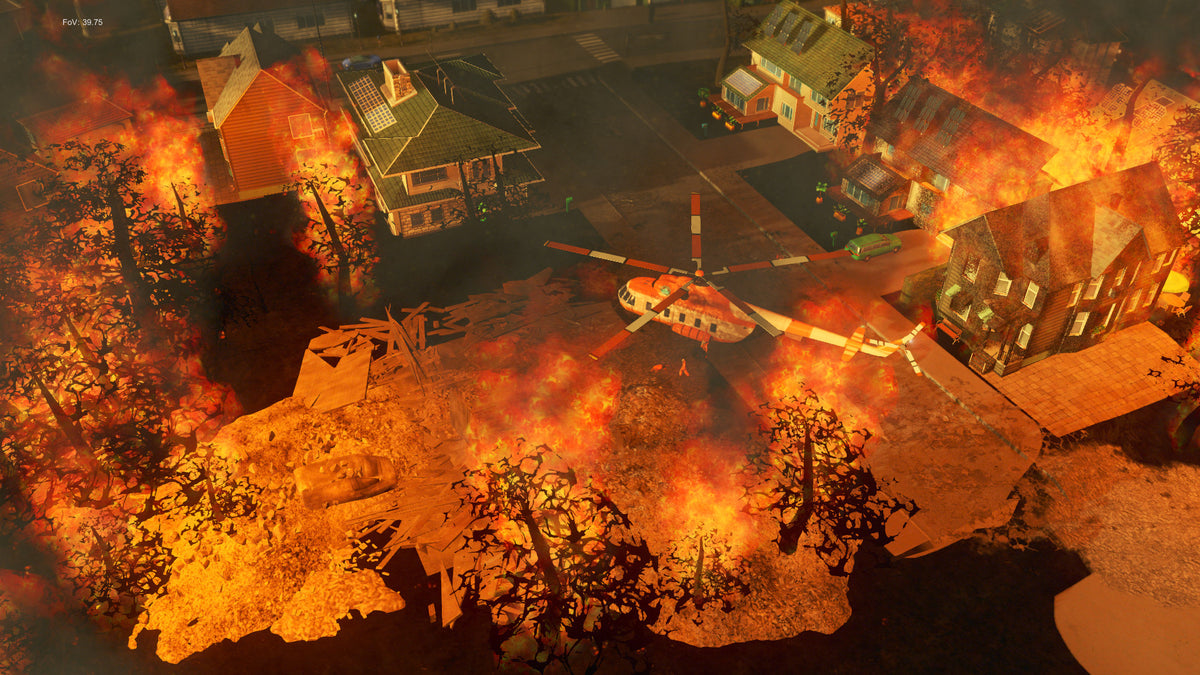
- Wildfires spread through woodland and can reach the districts that border it, so the green spaces that made your city beautiful can quickly become its most dangerous edge.
- Meteors
- The day the sky explodes stops being a figure of speech. A meteor impact can level an entire neighborhood in seconds, and veterans of Paradox's strategy games will appreciate that a comet sighting finally means something.
Plan Ahead, Respond Fast
Surviving a disaster starts long before it arrives. The expansion adds early warning systems and countermeasures that give you time to act, along with new disaster responses that decide how many of your citizens make it through.
- Early warning systems detect incoming threats and buy precious time, turning a sudden catastrophe into something your city can prepare for, provided you have invested in the coverage.
- A new broadcast network rapidly spreads evacuation warnings and emergency alerts across the city, so citizens know when to move and where to go before disaster strikes.
- Evacuations and emergency routes move people out of harm's way and into shelter, rewarding the mayor who planned clear roads and safe zones well ahead of time.
- Helicopter responses bring fire, medical and police support in from the air, reaching districts where roads are blocked or destroyed and ground crews simply cannot get through.
Rebuilding From the Rubble
Once the dust settles, the real test begins. Damaged buildings have to be cleared, services restored and roads reopened, all while caring for a population struggling to get back on its feet. A well-planned city recovers quickly, while a fragile one can spiral, and learning the difference is where Natural Disasters becomes genuinely absorbing. It adds weight to everything you already know about traffic, coverage and budgets, because every system now has to hold up under pressure.
Scenario Mode: Win or Lose on Your Terms
Alongside the expansion, Cities: Skylines gained a scenario editor and gameplay mode, giving an open-ended city builder something it rarely has: a finish line. Natural Disasters includes 5 pre-made scenarios built to challenge disaster masters, each with custom objectives such as starting cities, win conditions, time limits and losing conditions. And for a little levity amid the chaos, Chirper picks up a set of new hats, because even the apocalypse deserves a sense of style.
Take Charge When Disaster Strikes
If your city has run smoothly for a little too long, Natural Disasters is the expansion that puts your planning to the test. Add it to your Cities: Skylines collection, set up your early warnings, map out your evacuation routes, and find out whether your skyline is still standing when the sky falls.
