

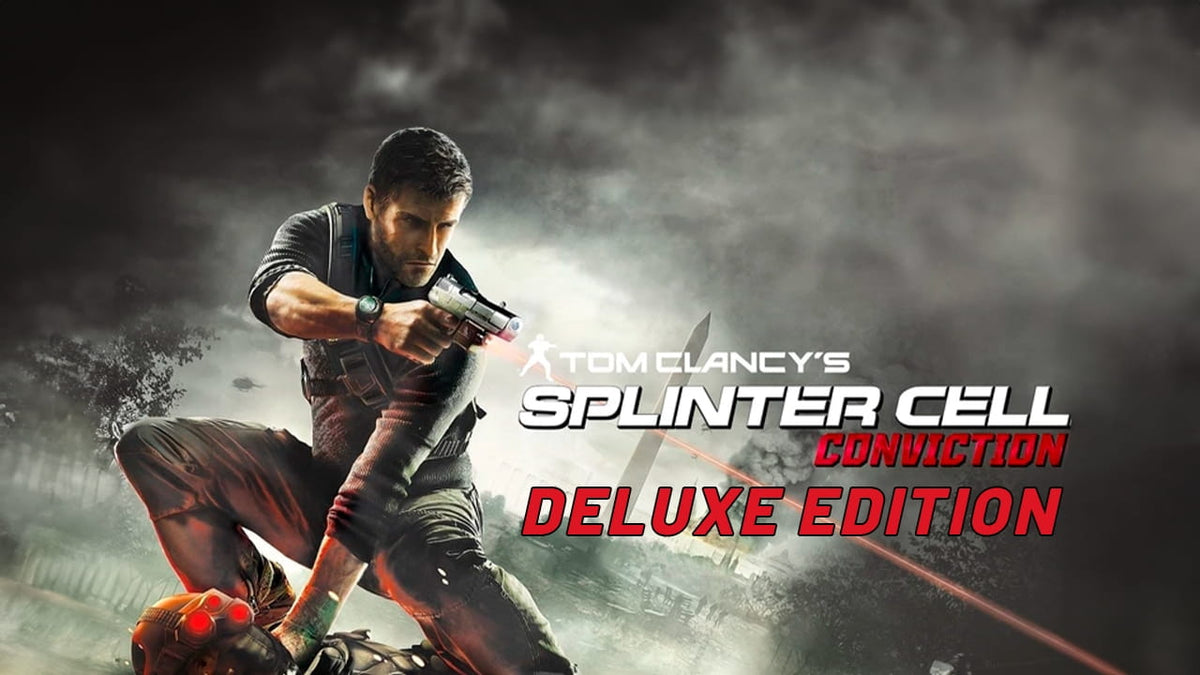




Tom Clancy's Splinter Cell Conviction finds Sam Fisher cut loose from Third Echelon, working alone and hunting the people behind his daughter Sarah's death. Ubisoft Montreal rebuilt the series around speed and aggression, turning the patient shadow-stalker of earlier games into a predator who strikes, vanishes and strikes again. The result is a tighter, angrier Splinter Cell story that still rewards the player who thinks before pulling the trigger.
A Personal War Against His Own Agency
Sam walked away from Third Echelon after Sarah was killed in what everyone called an accident. When a lead in Malta suggests otherwise, he pulls the thread and finds his former agency compromised from within, with a terrorist plot aimed at Washington D.C. and millions of lives at stake. Old ally Anna Grímsdóttir reaches out with information he can't get anywhere else, while Victor Coste, a friend from Sam's military days, frames the story from an interrogation room. It is a lean, driven campaign that treats Sam as a man out of patience rather than a soldier following orders.
Ubisoft closed the game's online services in 2021, which took the co-op prologue, Deniable Ops and multiplayer offline, and the Deluxe Edition's original bonus content (Infiltration Mode, Shadow Armor and three extra weapons) no longer unlocks either. The full single-player story campaign is the experience on offer, and it holds up as one of the most focused entries in the series.
Mark and Execute, Last Known Position and the Hunter's Toolkit
- Mark and Execute
- A silent hand-to-hand takedown earns an execution. Tag enemies, lights or explosive objects in advance, then trigger the move to drop every marked target in a single fluid sequence. Different weapons support different numbers of marks, so sizing up a room before entering it becomes a core part of how Sam fights.
- Last Known Position
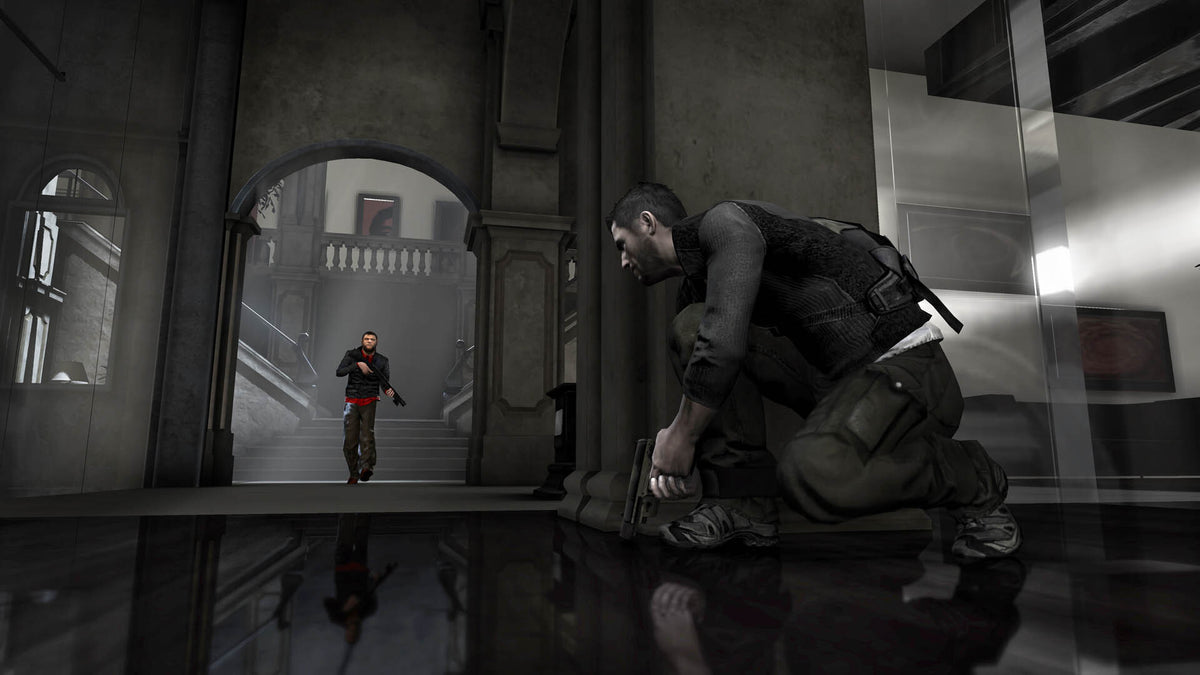
- When enemies lose sight of Sam, a ghostly silhouette marks the spot where they last saw him. Guards converge on that phantom while Sam slips around the flank, turning their own search patterns into openings for an ambush from behind or above.
- Interrogations
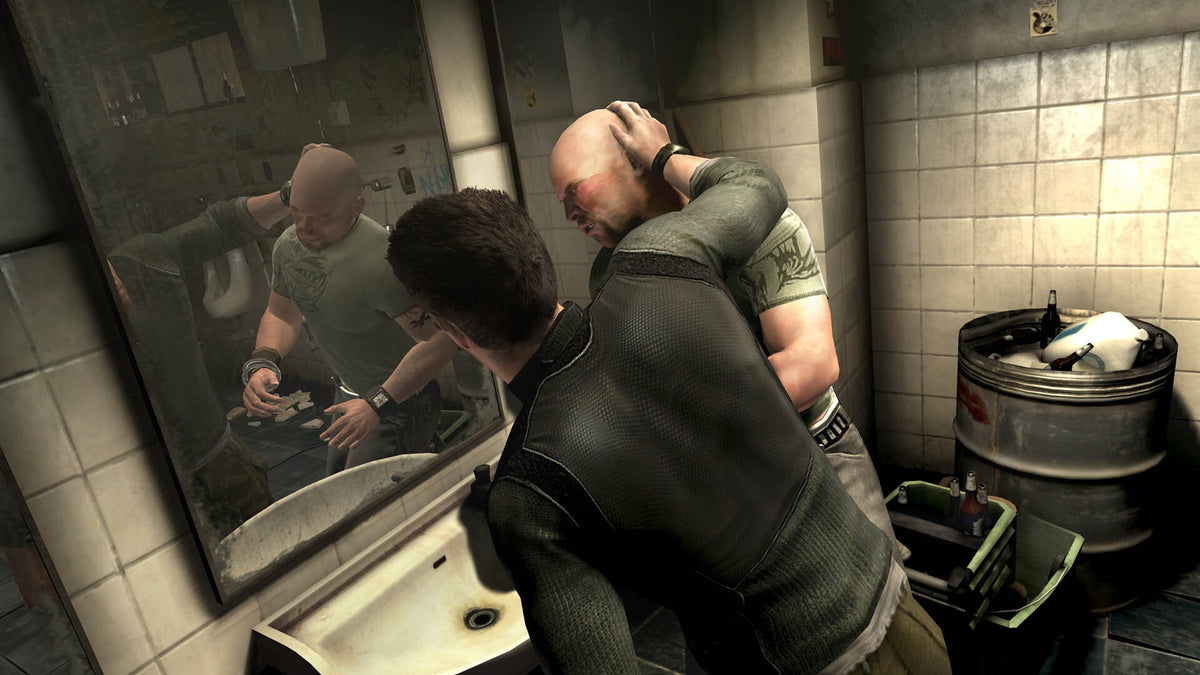
- Key targets are questioned up close, and the surroundings become part of the conversation: sinks, pianos, windows and other environmental objects all come into play. These sequences are some of the most intense moments in the game and push the story forward between missions.
- Gadgets and Weapons
- Sonar Goggles, remote mines, EMP grenades, flashbangs and sticky cameras sit alongside pistols, SMGs, shotguns and rifles, letting Sam tailor each approach. Weapons can be upgraded along the way using points earned from in-game challenges, so the arsenal grows with your play style.
A Story Told on the Walls Around You
Conviction projects objectives, flashbacks and story moments directly onto the environment, so mission goals appear across buildings and memories play out on walls as Sam moves through a level. When Sam is hidden, the screen drains to black and white, giving instant, readable feedback about whether he can be seen without cluttering the screen with meters. The style keeps the pace up and the story in view, from crowded Maltese streets to a tense return to Washington D.C.
Step Back Into Sam Fisher's Shadow
Splinter Cell Conviction is the series at its most personal and its most kinetic, a game that lets you clear a room in seconds or stalk it for minutes and makes both feel earned. If you have ever wanted to play Sam Fisher as a man with nothing left to lose, pick your first mark, kill the lights and go find out what really happened to Sarah.

