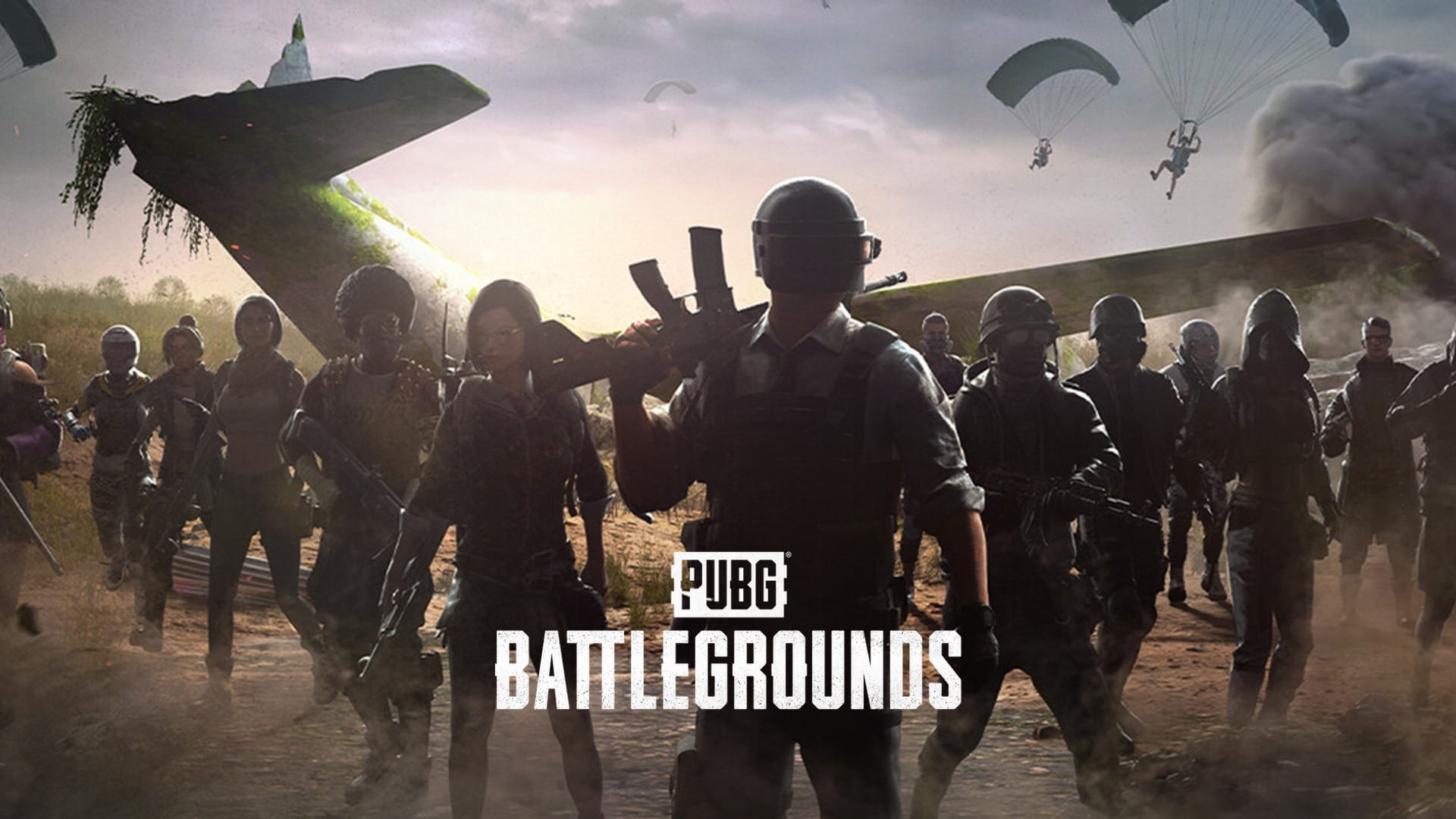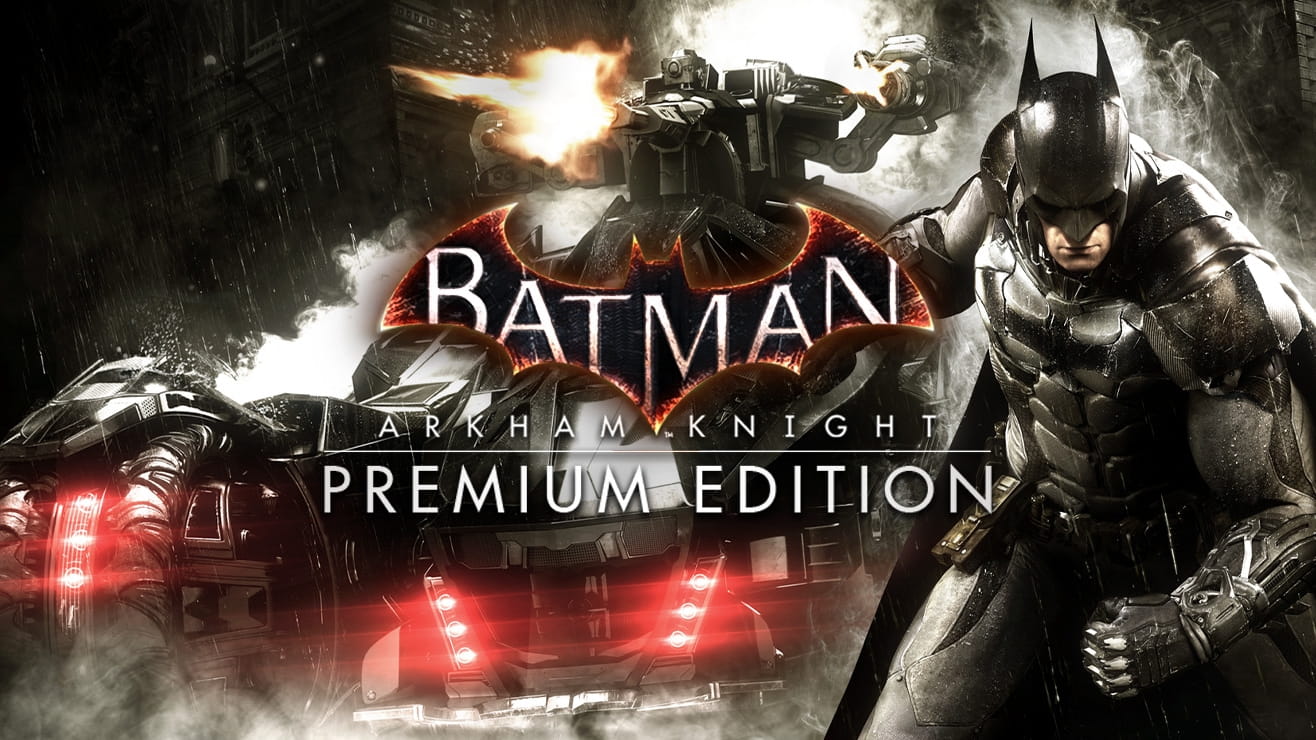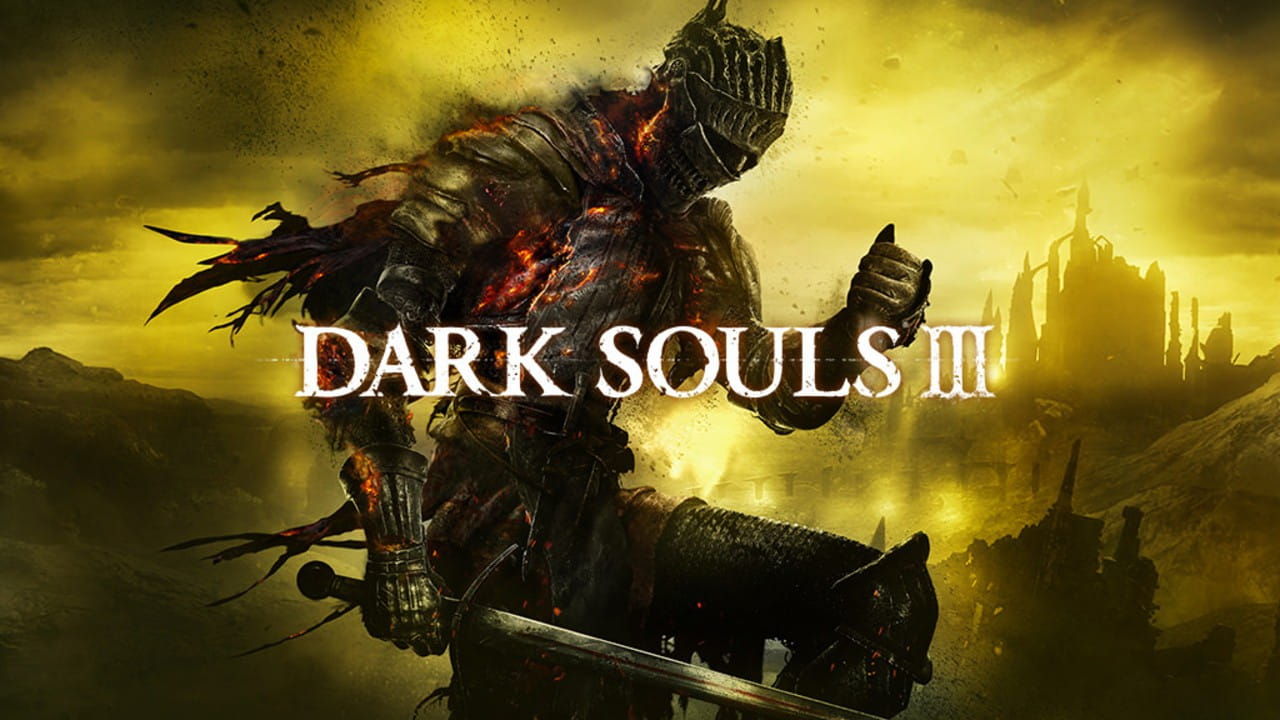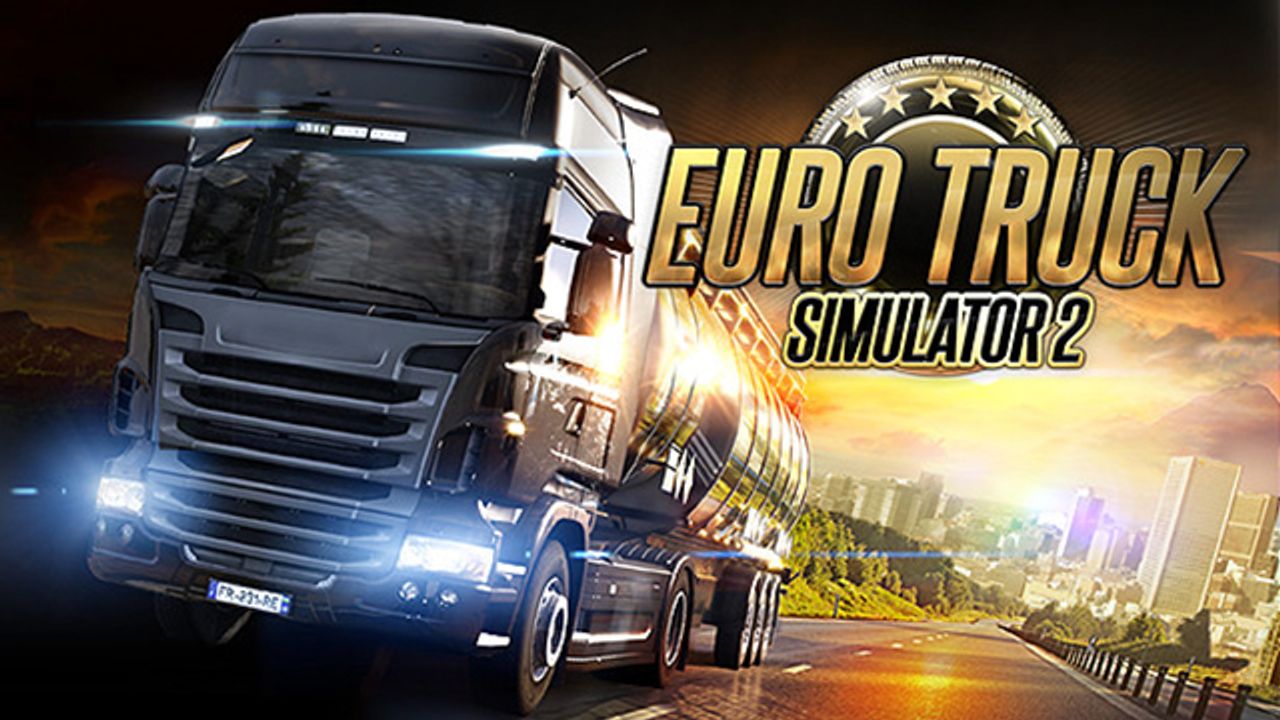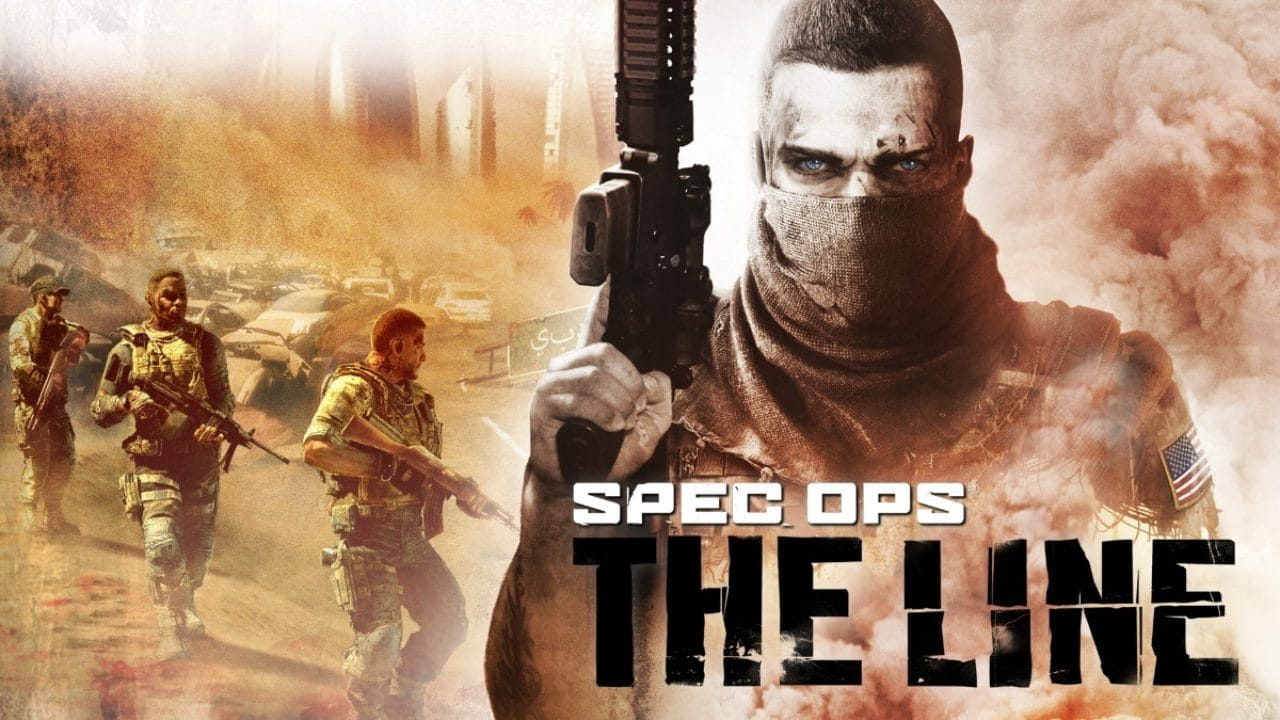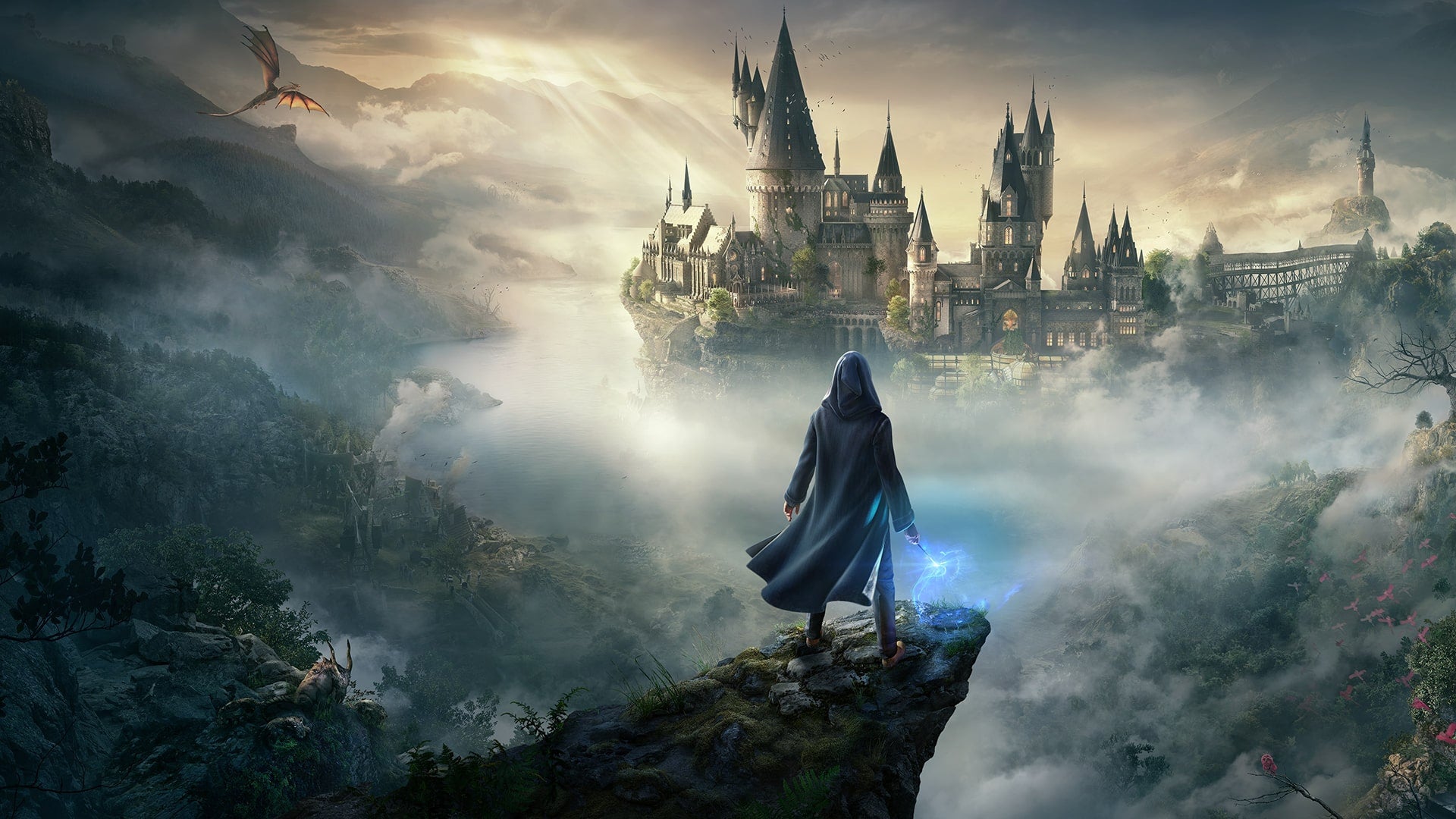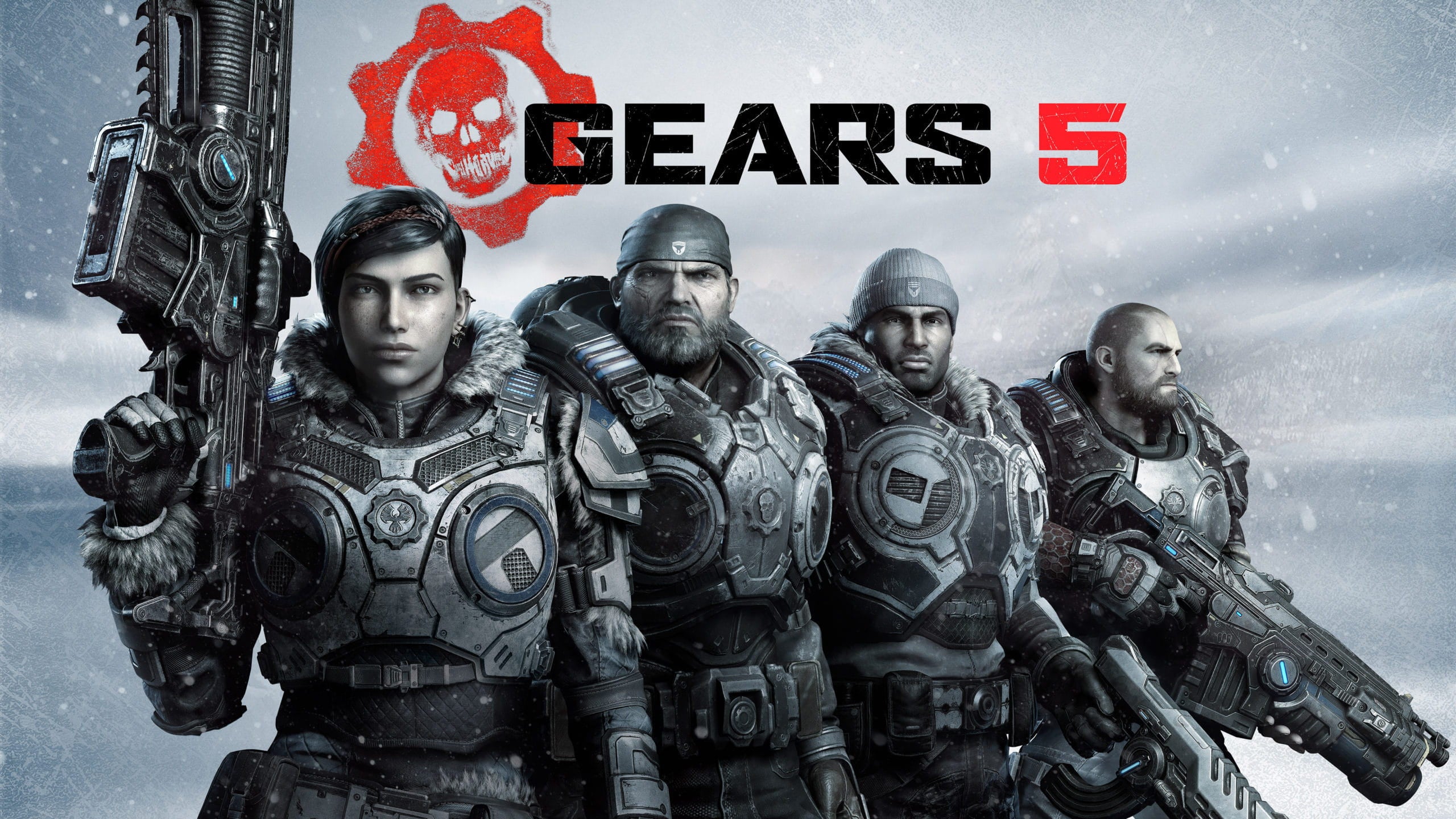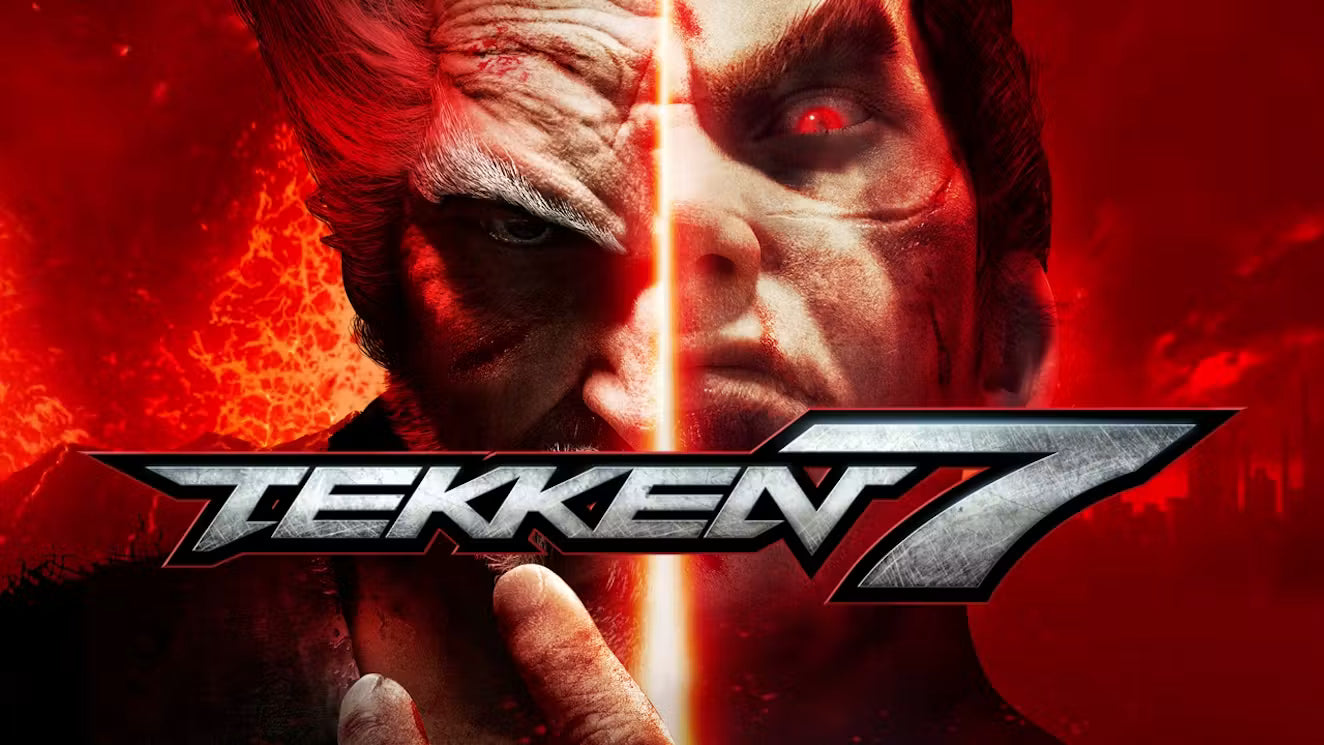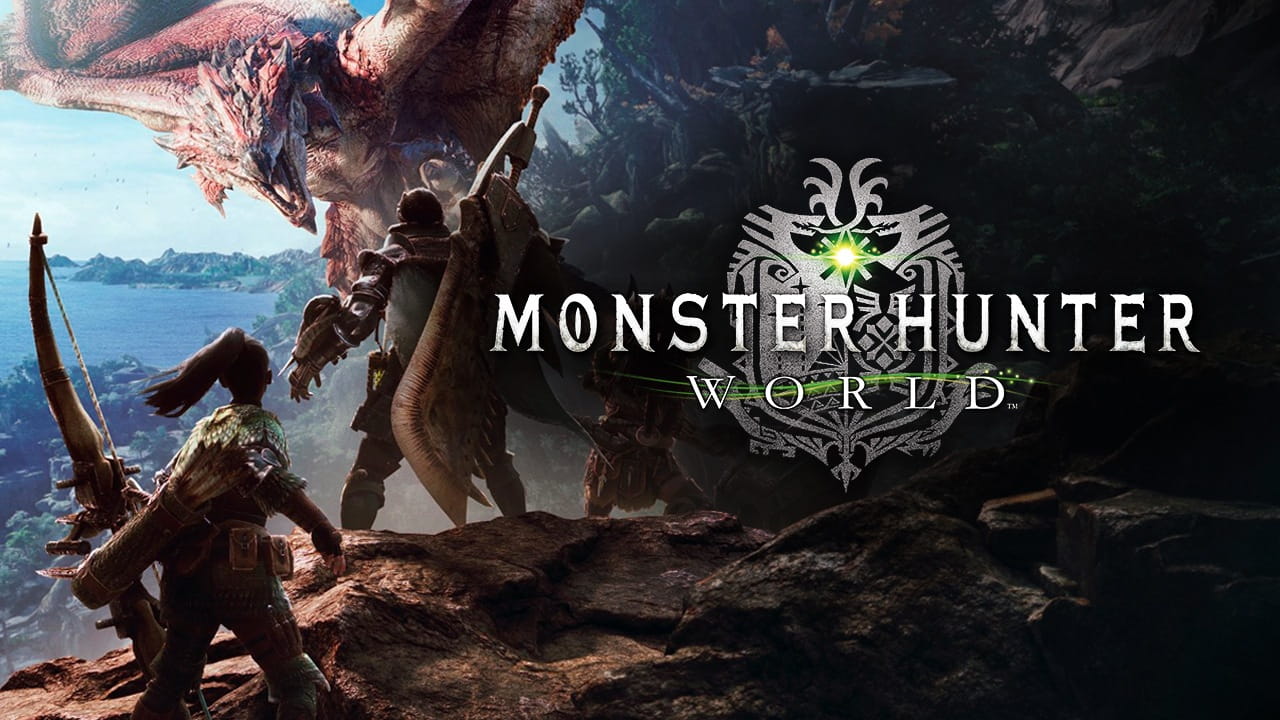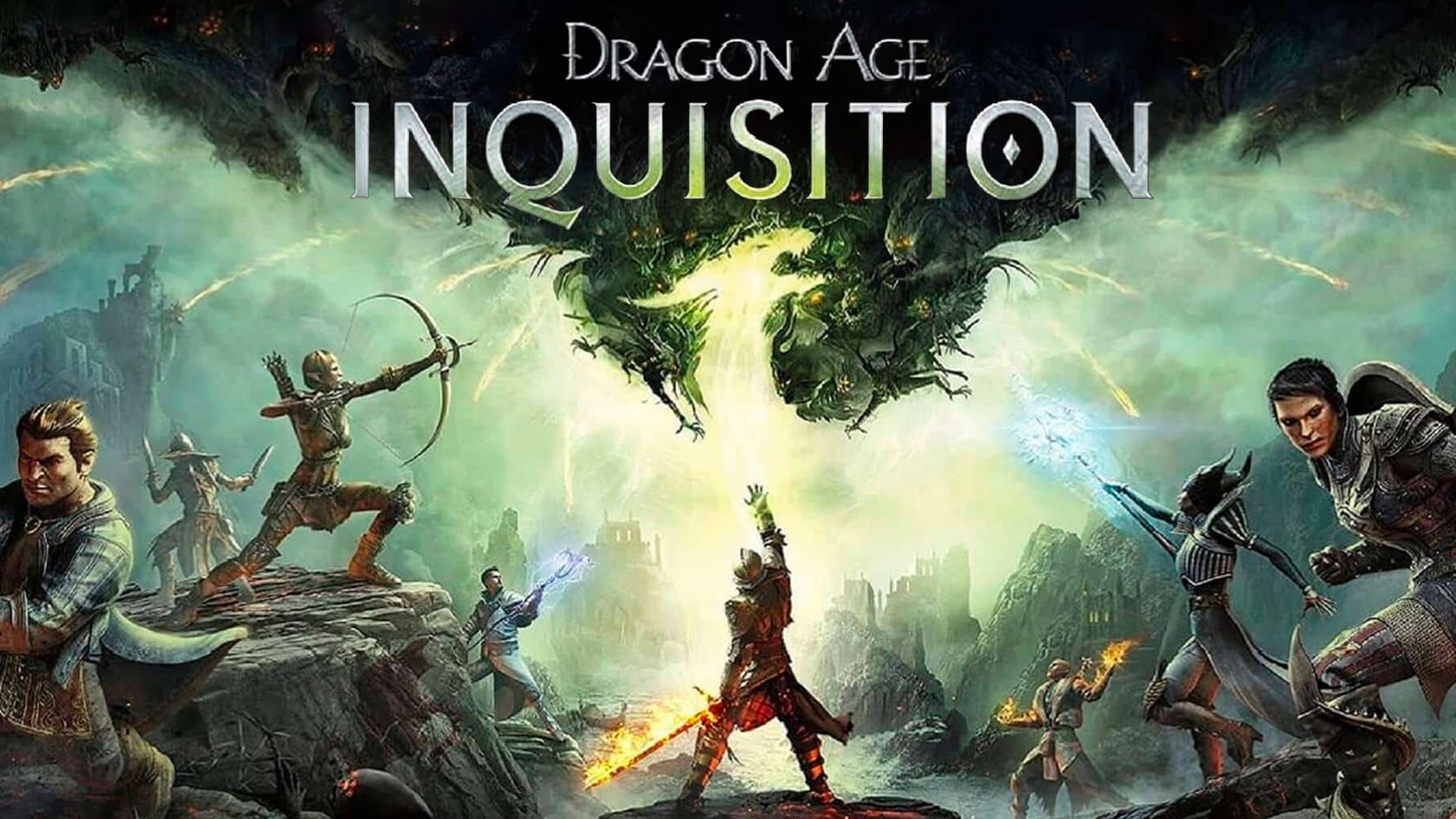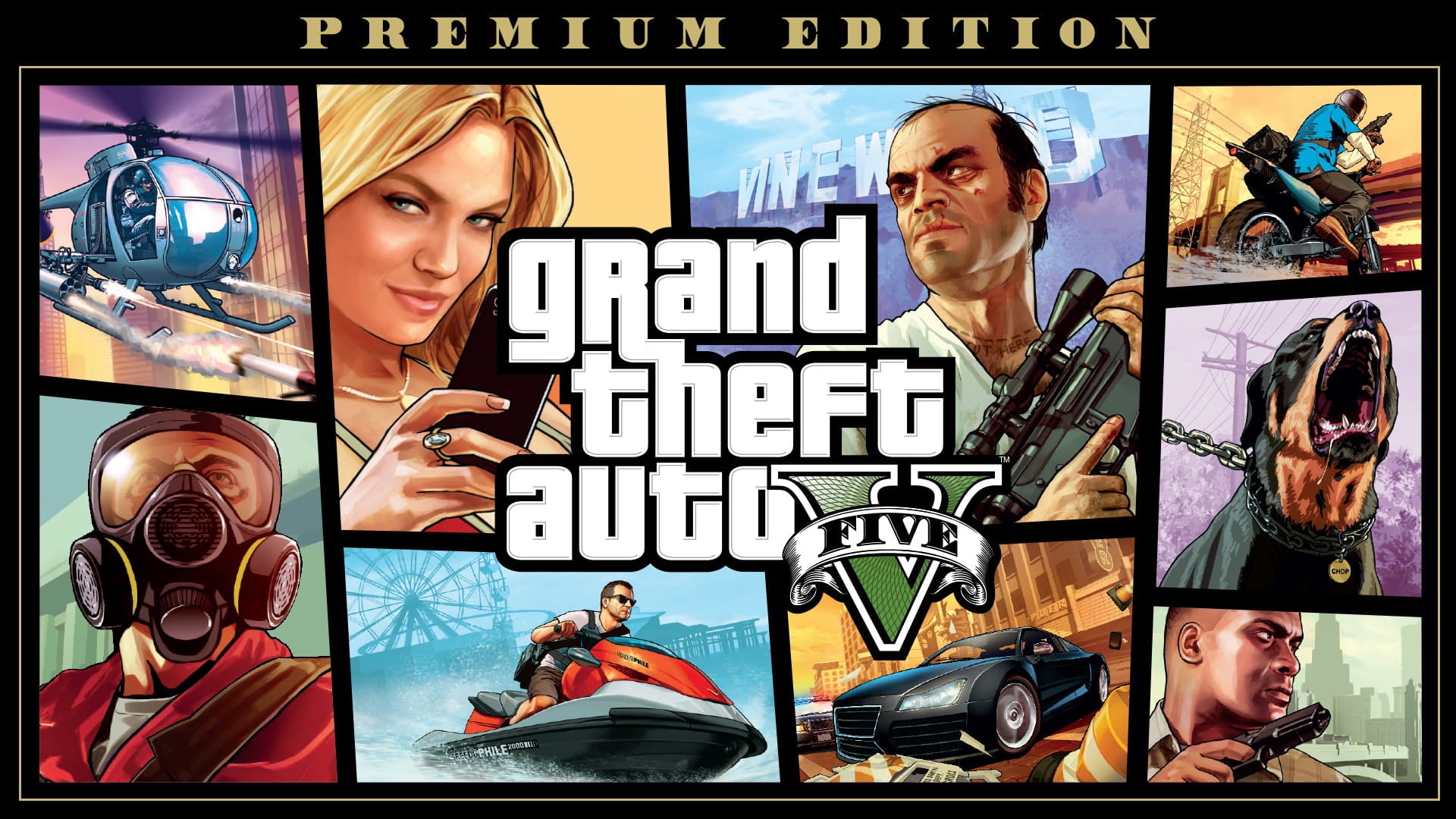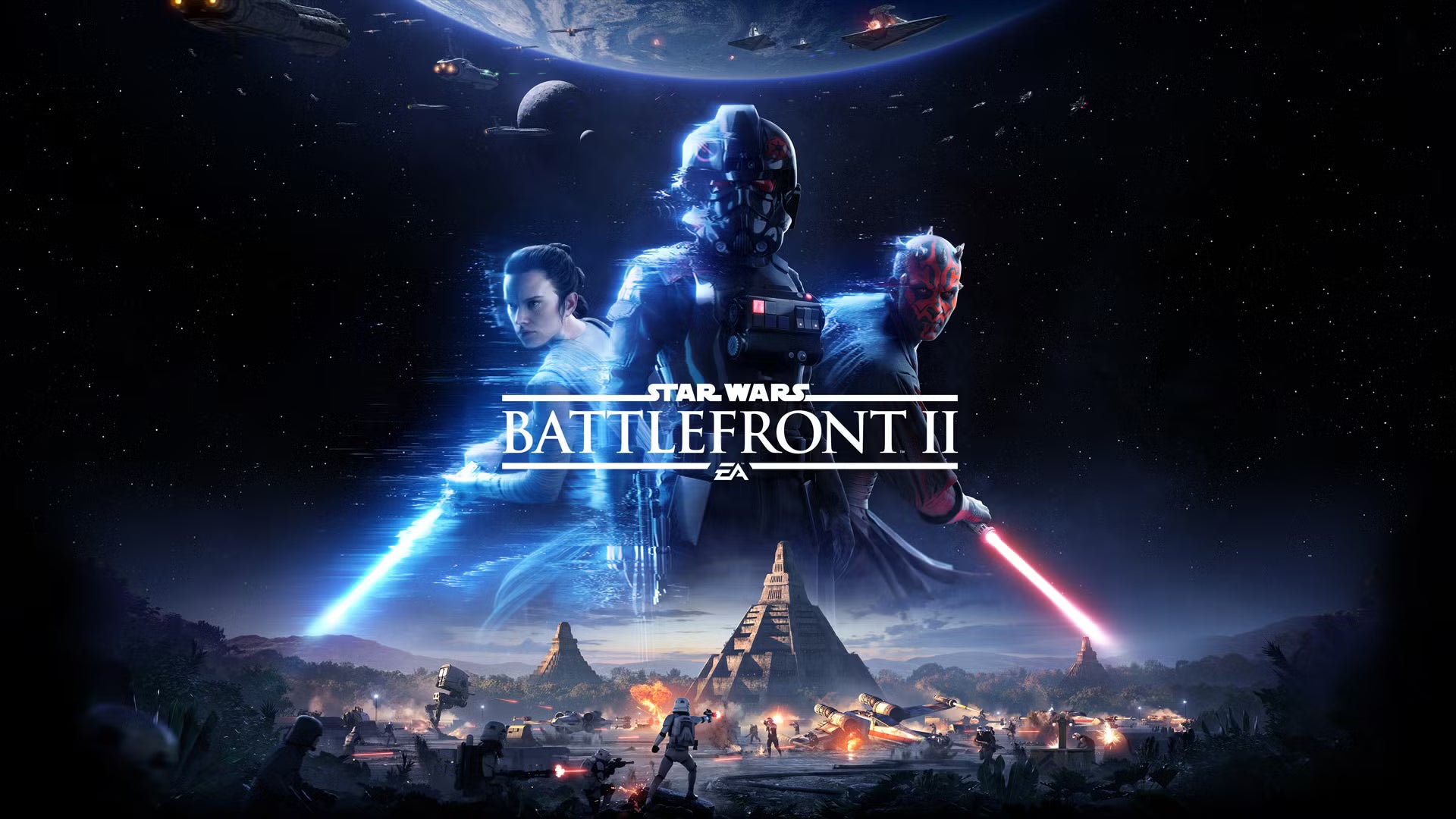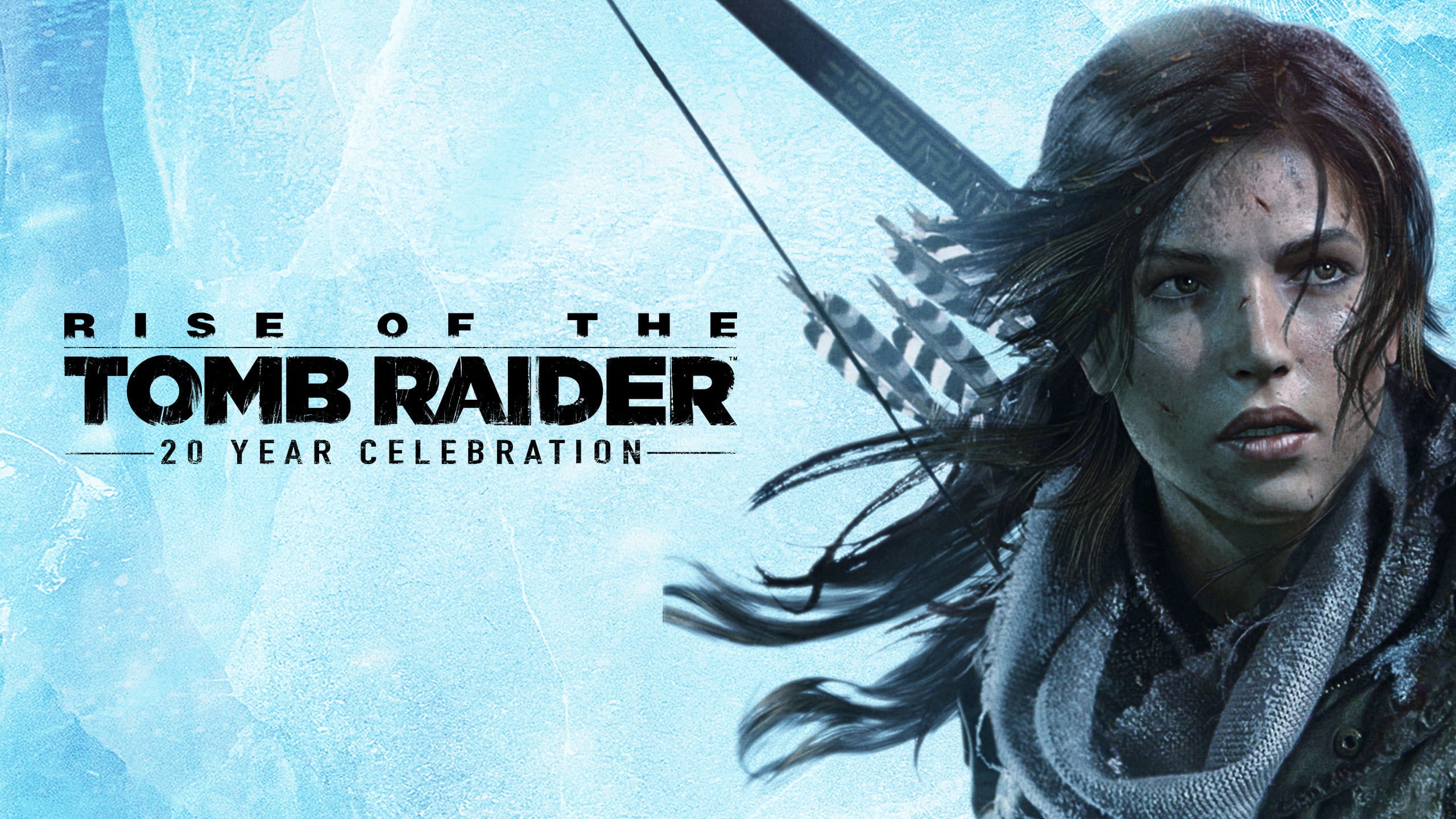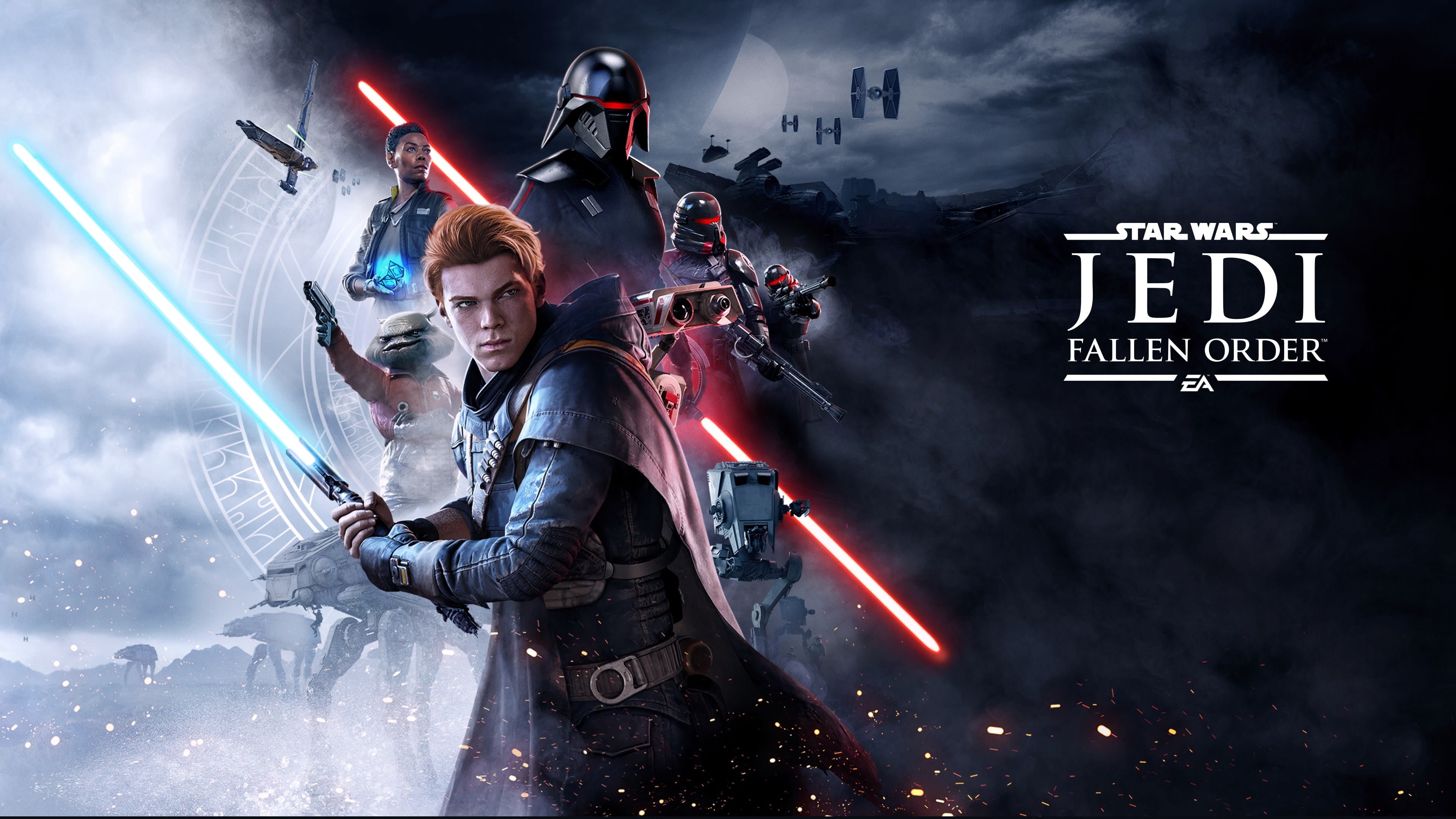
Third Person games position the camera behind or alongside the player character, providing an external perspective that allows full visibility of the character, their immediate surroundings, and spatial relationships within the game world. This viewpoint offers distinct advantages for gameplay that requires spatial awareness, precise movement, and visual appreciation of character animations, environments, and action sequences. Whether navigating complex platforming challenges, engaging in melee combat where positioning matters, exploring vast landscapes, or appreciating detailed character designs and animations, the third-person perspective enhances player understanding of their avatar's place within the game world. The genre excels at creating cinematic experiences where players can witness their character's actions and reactions while maintaining clear awareness of environmental hazards, enemy positions, and navigational challenges. Third-person games often feature more elaborate character customization and animation systems since players constantly observe their avatars, and they frequently emphasize exploration and environmental interaction that benefits from the broader field of view. These games appeal to players who prefer seeing their character in action, enjoy spatial puzzle-solving and platforming, and appreciate the enhanced environmental awareness that comes from the external camera perspective.
 Rated 4.6 out of 5 by our customers1.220,00 reviews
Reviews are compiled from verified review providers